Challenges of Reverse Logistics
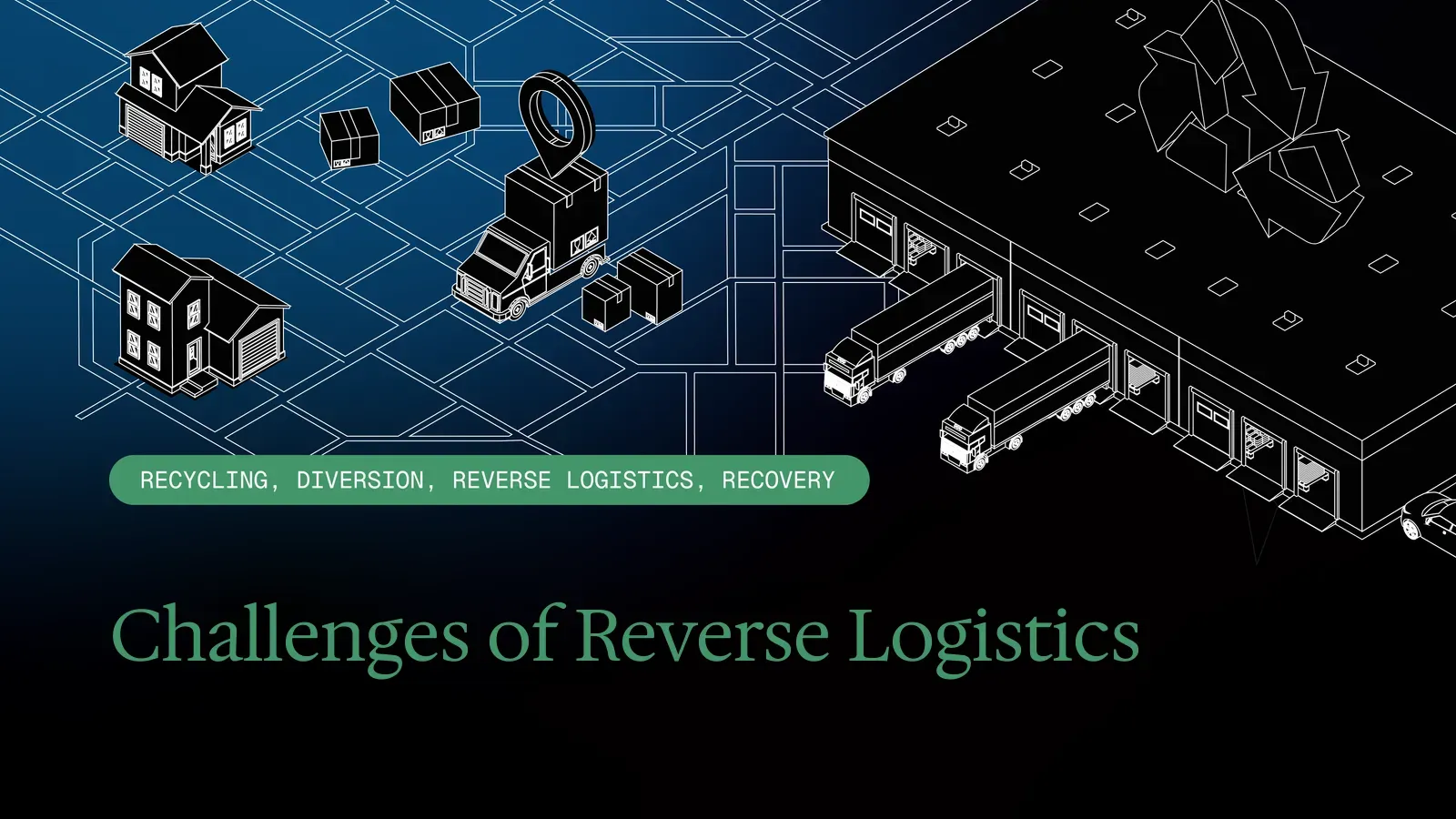
The challenges of reverse logistics show up after a product leaves a store, warehouse, or customer. Condition varies from site to site, ownership splits across teams, and the record of what happened next is often missing. For a multi-location retailer, that gap is an operating problem, not a shipping problem.
A definition of the flow is not the same job as naming where it breaks. This guide stays on the failure modes: variable returns, split accountability, lost custody, slow grading, uneven disposition, weak exceptions, and reports that cannot support a claim. It does not restate the process, the category examples, or a cost-reduction plan.
Talk with CheckSammy about the challenges of reverse logistics across your locations.
Why the challenges of reverse logistics grow with every site
One return is easy to explain, but hundreds of sites sending different products, in different conditions, for different reasons, are not. Each location may use its own carrier, its own closet of unsellable goods, and its own habit for what leaves the building. The network then inherits every local shortcut.
Forward distribution can plan a lane, while a reverse flow cannot, because a returned sweater, a recalled device, and a fixture from a remodel may leave the same store in the same week. They should not share one undocumented path. When they do, value and proof both disappear.
Scale makes the gap visible. Procurement sees invoices. Facilities sees pickups. Sustainability sees a diversion number that nobody can tie to a unit. Operations sees exceptions only after a customer or auditor asks. None of those views is wrong. Together they are incomplete.
CheckSammy works with multi-location and Fortune 500 teams across North America. The company pairs a service network with owned ZeroPoint facilities so intake, processing, and the final outcome stay in one record. That model matters here because the hardest challenges are coordination problems, not a missing definition.
The U.S. Environmental Protection Agency describes sustainable materials management as a way to use and reuse materials more productively across their life cycle. A reverse program that cannot show where a unit went cannot support that claim. The challenge is proof, not a slogan.
Where multi-location programs usually break
Most enterprise programs do not fail in one dramatic step. They fail in the handoffs between sites, carriers, and processing teams. The list below is the pattern we see when many sites share one brand standard and many local habits.
- Variable condition and origin. Items arrive from stores, distribution centers, and customer shipments. A single rule cannot grade all of them if the intake record is thin.
- Split ownership. Retail ops, facilities, procurement, and sustainability each hold a piece. No one owns the path from pickup to outcome.
- Lost chain of custody. Photos, weights, and timestamps exist in separate tools. The unit cannot be reconstructed later.
- Slow or uneven grading. Eligible product waits while unsellable product moves. Value drops before a decision is recorded.
- One disposition for every item. Recycling, recommerce, donation, and certified destruction get collapsed into a single vendor ticket.
- Exceptions with no owner. A missed pickup, a refused load, or a serial-number mismatch sits in email until the reporting period closes.
- Reports that cannot be audited. A diversion percentage without weights, dates, and destinations will not satisfy a finance or compliance review.
These are operating failures. They are different from choosing a carrier or rewriting a returns policy. A useful program names the failure, assigns an owner, and keeps the evidence with the unit.
Challenge
What breaks
Control to add
Variable inbound flow.
Condition, origin, and reason are lost.
Use one intake record before the item moves.
Split ownership.
No one owns the path to an outcome.
Name one program owner for status and exceptions.
Lost custody.
Weights and destinations cannot be tied to a unit.
Keep evidence on every handoff.
Slow grading.
Eligible units miss recovery.
Grade before loads are mixed.
One disposition path.
Resale, recycling, and destruction collapse together.
Use shared grades and allowed paths.
Weak reporting.
A percentage has no trail.
Filter by site, material, and outcome.
Ask CheckSammy to map these reverse logistics challenges across your sites.
Variable returns are the first challenge
Reverse volume is lumpy. A promotion, a recall, a season change, or a store remodel can spike one region while another stays quiet. Staffing and dock space that fit an average week fail in the spike. Product then sits, labels fall off, and the reason for the return is lost.
Condition is just as uneven. Two units of the same SKU can need different next steps. One can return to a resale channel. The other must be recycled or destroyed because it is damaged, expired, or restricted. If intake does not record condition, serial or lot data, and the reason for movement, later teams guess.
Origin adds a third variable. A store return, a customer mail-back, and a warehouse overstock pull do not share the same risk. Mixing them in one unlabeled container makes brand protection and material recovery harder at the same time.
A practical control is a short intake standard used at every site. Record the location, the material or product type, the condition, the reason, and a photo or scan before the item moves. CheckSammy's returns processing receives, weighs, and scans units before grading. That sequence is what keeps a variable inbound flow from becoming an anonymous pile.
The intake standard is not a full process map. It is the minimum record that lets the next team decide without calling the store that shipped the item.
Split ownership hides the next decision
Reverse work crosses departments that do not share a queue. Store teams want the item gone. Finance wants the credit or the recovery. Sustainability wants a diversion result. Brand protection wants proof the item did not reach an unauthorized market. If each team optimizes its own step, the unit stalls between them.
The stall has a recognizable shape. A store creates a pickup. A carrier moves a pallet. A processor receives a weight. Nobody records a disposition. Weeks later the invoice and the sustainability report describe different outcomes. Both can be internally consistent and still be wrong about the unit.
Name one accountable owner for the path, even when several teams contribute. The owner does not have to run every truck. The owner has to know the status, the exception, and the outcome. At enterprise scale that owner is usually a program lead who can see every location, not a store manager who sees one back room.
CheckSammy's model is built for that view. Service teams handle local collection. ZeroPoint facilities handle inspection and outcome. The platform keeps one status instead of a chain of vendor emails. Leaders still set the rules. They no longer have to reconstruct them after the fact.
Split ownership is also why a good returns portal is not enough. The portal can approve a refund and still leave the physical item unowned. The challenge starts when the item, not the transaction, needs a decision.
Lost custody makes every later number weak
Chain of custody is the record that connects collection, transport, receipt, processing, and the final destination. When a link is missing, every downstream number is an estimate. Diversion rate, recovery value, and destruction claims all depend on that chain.
Common breaks are ordinary. A pickup photo lives on a phone. A weight is written on a bill of lading that is never scanned. A facility receives a mixed load and assigns one ticket to many product types. A destruction event is described in a PDF that does not name the lots. None of these errors looks serious on the day it happens. Together they make an audit impossible.
The control is to attach evidence to the handoff, not to a monthly folder. Useful evidence includes the site, the time, the weight from a certified scale when weight is the basis of the claim, and the destination. CheckSammy reports a 94 percent average diversion rate measured on state-certified scales, and it can deliver certificates in under 24 hours. Those figures only help a buyer if the same record can be traced back to the pickup.
A deeper look at how records should travel with an asset sits in the chain of custody process guide. This page only flags the challenge: if the record breaks, the outcome cannot be defended. Teams that already track recovery math can use the reverse logistics KPI page for the measures. Do not invent a dashboard here until custody is intact.
Slow grading and one-path disposition waste value
Grading is where recoverable value is either kept or lost. Eligible units that wait in a trailer lose the window for recommerce. Restricted or damaged units that skip inspection create a brand risk. The challenge is not a lack of disposition options. It is using the same option for every unit because grading is slow or inconsistent across sites.
CheckSammy's ZeroPoint processing uses four disposition paths after inspection: recommerce, recycling, donation, and certified destruction. AI-assisted grading supports the condition decision. On eligible returns, the documented average value recovery is 34 percent, and processing from receipt to disposition is under 48 hours. Those paths only work if grading happens before the unit is mixed into a single outbound stream.
Inconsistent grading is its own challenge. Two facilities can label the same condition differently. One site sends a scuffed but complete item to recycling. Another sends it to resale. The enterprise then cannot compare recovery, and store teams stop trusting the standard. A shared grade definition, with examples and a photo, is the fix. Local judgment without a shared definition is how the challenge persists.
Category examples of returns, fixtures, recalls, and overstock already live in the reverse logistics examples article. Use that page to map a material to a control path. Use this page to notice the failure: grading that is late, local, or optional.
Cost follows the same break. Extra touches, storage, and missed recovery are symptoms. The reverse logistics cost reduction guide covers the levers. The challenge to name first is the missing grade, not the invoice line.
Exceptions and reporting are where trust fails
A program can look healthy in a weekly average and still fail the loads that matter. Missed pickups, refused material, serial mismatches, and recall holds are exceptions. If they have no owner and no clock, they age out of the report. The published number then describes the easy loads only.
Give every exception a status, an owner, and a due time. A missed pickup should reopen the request, not vanish into a carrier portal. A refused load should record why, where the material sits, and the next allowed path. A recall hold should block resale until the authorized outcome is documented. These rules are short on purpose. Long policies that nobody can apply at a dock do not reduce the challenge.
Reporting fails in a related way. Leaders receive a single diversion percentage, a stack of certificates, and no way to filter by site, material, or outcome. Finance cannot match value recovered to a shipment. Sustainability cannot explain a change in the rate. Compliance cannot show what was destroyed.
Ask reports to answer four questions. What moved? From which sites? What outcome did each stream receive? What evidence supports the weight or the destruction claim? CheckSammy's reporting ties diversion certificates, weights, and carbon calculations to the processing record. The sustainability and ESG solution is the place for that reporting conversation. This article's job is to warn against a percentage that has no trail.
The same standard helps vendor reviews. A partner that cannot show exceptions and destinations is not a control layer. The reverse logistics services page describes what coverage should include. Read it when you are scoping work, not when you are still naming the break.
How enterprise teams can close the gaps
Closing these challenges does not require a new theory of reverse logistics. It requires a few controls that every site can actually run. Keep the list short so a program lead can audit it.
- Set one intake record for every site: location, item or material, condition, reason, and a photo or scan.
- Name one program owner for status, exceptions, and outcomes across locations.
- Keep custody evidence on the handoff: time, weight when a claim depends on it, and destination.
- Grade before mixing, using one shared definition and the allowed disposition paths.
- Put exceptions on a clock with an owner, including misses, refusals, and holds.
- Publish reports that filter by site, material, and outcome, with the evidence attached.
Start with the sites that create the most rework, not with a full network rewrite. A remodel wave, a recall, or a high-return region will show whether the intake record and the exception clock hold. Expand only after those sites can trace a unit from pickup to a documented outcome.
CheckSammy can run the collection and the processing on that pattern. Owned ZeroPoint facilities, a nationwide service network, and chain-of-custody records are the operating pieces. The what is reverse logistics guide remains the definition and the process overview. Product teams that need the returns workflow can use product returns processing. This page stays on the challenges those assets are meant to absorb.
If a control cannot be checked at a dock or in a report, it is not a control yet. Write the rule in the language a site lead will use on a busy receiving day.
Request a review of the reverse logistics challenges at your sites.
Frequently asked questions
What are the main challenges of reverse logistics?
The main challenges are variable condition and origin, split ownership, broken chain of custody, slow grading, one disposition path for every item, unmanaged exceptions, and reports that lack evidence. Multi-location networks feel these first because each site can invent a local workaround.
How are these challenges different from returns management?
Returns management approves the customer request, the label, and the refund or exchange. Reverse logistics challenges begin when the physical item needs a destination, a grade, and a record. A fast refund does not fix a missing outcome.
Why do diversion numbers get challenged in audits?
A diversion percentage without site, weight, date, and destination is an estimate. Auditors and finance teams ask which loads created the number. If custody broke at pickup or at processing, the percentage cannot be tied to a unit.
What should a team fix first?
Fix intake and ownership first. Record condition and reason before an item moves, and name one owner for exceptions and outcomes. Grading, disposition, and reporting improve once those two controls exist. Cost and provider comparisons can follow.
Can one national partner reduce these challenges?
A partner helps only if collection, processing, and the outcome record stay connected. CheckSammy uses owned ZeroPoint facilities, four disposition paths, and chain-of-custody documentation so local pickups roll into one visible result. A directory of unrelated vendors does not close the gap by itself.