The Circular Economy Waste Management Enterprise Guide
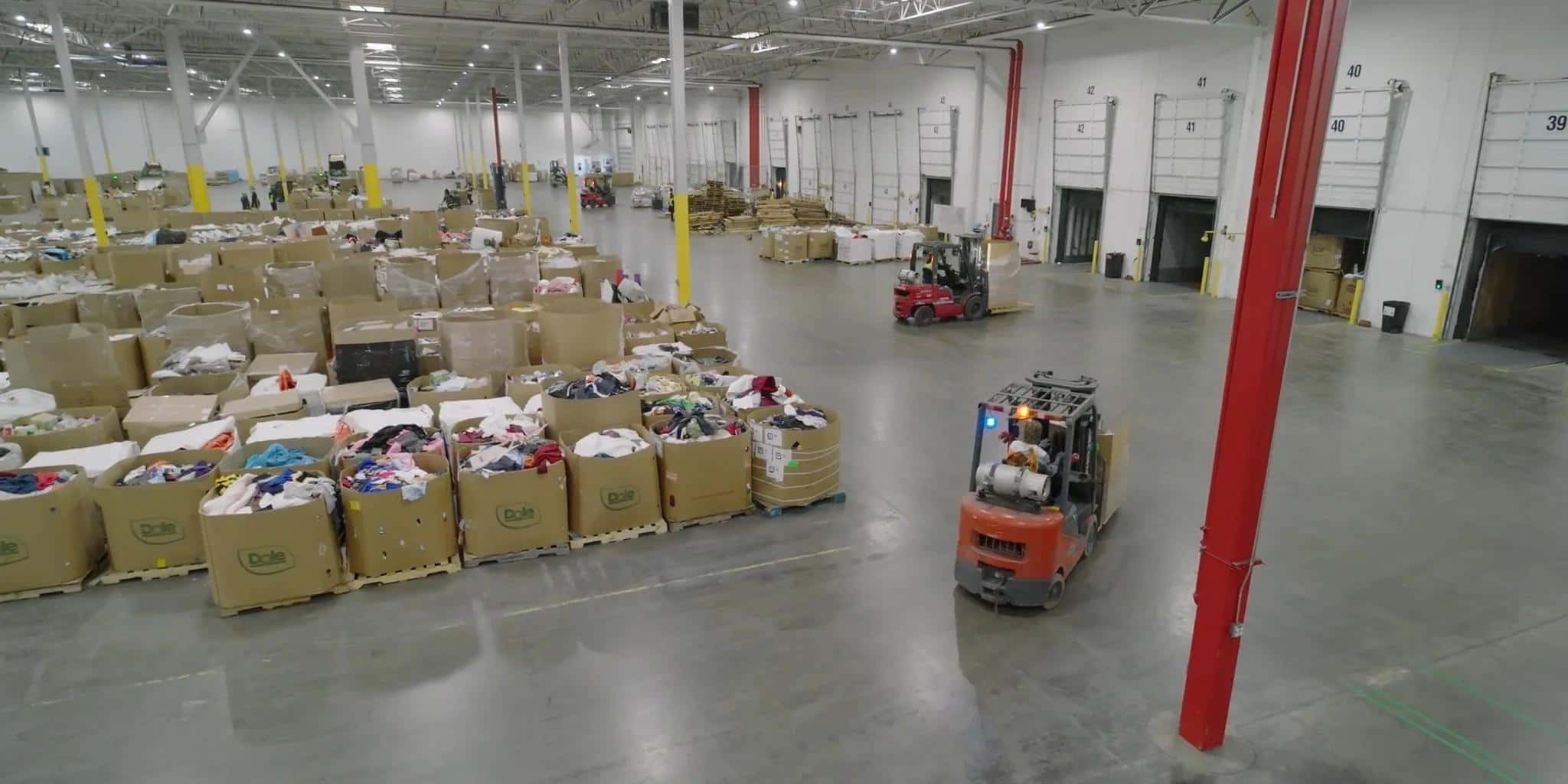
Multi-location companies waste millions of dollars every year by sending valuable materials directly to local landfills. This traditional linear take-make-waste pattern hurts both operating budgets and corporate ESG metrics.
A circular economy waste management enterprise strategy replaces the traditional linear model with a closed-loop system that maximizes resource efficiency. According to the U.S. Environmental Protection Agency, this sustainable approach keeps materials in circulation for as long as possible. It works by recapturing raw material streams to use as feedstock for new manufacturing processes. Geographically dispersed businesses can achieve these sustainability goals by auditing complex material streams. They can consolidate commercial vendors and use real-time tracking to verify actual landfill diversion. Shifting to systematic resource recovery helps multi-location organizations protect their operating budgets. This operational model also generates the auditable data required for corporate ESG reporting. With the right logistics partner, companies can track every truckload from pickup to final destination.
Transitioning to a circular model requires a clear plan. Leaders must first grasp the core concepts before changing their operational processes. To build this foundation, we will start by answering the question of What Is Circular Economy Waste Management? The path begins with
Circular Economy Waste Management Enterprise: What Is Circular Economy Waste Management?
Many large firms face high bills and low reuse rates. A smart circular economy waste management enterprise strategy focuses on keeping items in use. This method helps firms reuse resources instead of throwing them away. It stops the old way of mining, making, and throwing out goods so that companies can grow cleanly.
The shift from linear to circular systems
How does this work in practice? The United States Environmental Protection Agency (EPA) defines this system as a loop. This model keeps goods and resources in use for as long as possible, per the EPA circular economy guide. This is a big change from the standard linear model where we mine, make, and then discard products.
In an old setup, items flow in a straight line from extraction to the landfill. This linear flow means useful materials are lost forever. Implementing a circular economy waste management enterprise program changes this flow. It focuses on recovery so that products retain their value over time. Doing this helps protect nature and improves business costs. It also ensures that resources do not go to waste.
Core principles of the EPA framework
The EPA has a clear plan for managing non-hazardous waste. The EPA waste hierarchy ranks options from best to worst. Source reduction and reuse sit at the top of this list. This means the best move is to avoid making waste in the first place.
Recycling and composting also play key roles, but they come after reduction and reuse. When a business designs out waste early, it does not need to pay for hauling. This strategy keeps resources in their highest value state. It aligns corporate goals with federal green standards.
This hierarchy provides a roadmap for sustainable materials management. Large enterprises can use it to audit their daily operations. By choosing reuse, firms can divert thousands of tons of paper, plastic, and metal from landfills. This helps them meet strict ESG goals while cutting down on waste handling costs.
Why modern enterprises are changing
Why are large companies using these models now? A main reason is that a circular setup helps firms reduce total material use. It lets them recapture old materials and use them as feedstock to make new products, as outlined by the EPA circular economy guide. This reduces the need to buy fresh raw materials.
This shift also supports sustainable materials management. This approach focuses on reducing harmful impacts throughout the life-cycle of a product. It decouples firm growth from resource use, helping firms scale without harming the planet. By focusing on these loops, enterprises secure their supply chains and improve their brand image in the marketplace.
How Does Circular Waste Management Differ From Linear Models?
Industrial operations have long relied on a linear pattern. This system is based on a take-make-dispose path where resources are extracted, processed, and then lost. For a modern circular economy waste management enterprise, this old path creates big risks and high costs. In contrast, a circular model keeps assets in play for as long as possible. Moving to a circular economy waste management enterprise setup helps firms capture value from old products. It changes how we think about the entire life cycle of goods.
The linear take-make-dispose system
Most companies still use standard commercial waste management programs that follow a one-way flow. This path begins when a firm buys raw materials to make goods. Once those goods reach their end of life, they go straight to landfills. This linear method creates huge losses for the bottom line. It treats valuable metals, plastics, and wood as worthless waste. It also exposes companies to supply chain shocks and rising resource prices. When prices spike, firms must pay more to get the raw resources they need. This keeps their costs high and volatile.
Closed-loop circular structures
A circular system replaces the one-way flow with a closed loop. The goal of this model is to design out waste from the start. Under a circular framework, businesses do not just discard old items. Instead, they recover those items and feed them back into production. The U.S. Environmental Protection Agency (EPA) notes that a circular approach recaptures resources to serve as feedstock for new products. This strategy helps reduce overall material use. Firms can collect, sort, and process materials locally. This keeps clean resources in the supply loop instead of burying them.
Economic decoupling and material value
Circular methods do more than just protect the environment. Research shows that circular business models improve business economics while shielding local areas. In fact, this approach decouples business growth from the use of raw materials. Companies can grow their revenues without using more natural resources. By keeping high-value assets in circulation, firms cut procurement costs and build stronger local supply lines. This makes supply chains more secure against global shocks. It also shows customers a real commitment to sustainable goals.
To help procurement leaders compare options, the table below highlights the key differences between these two systems. It compares resource sourcing, material lifespans, cost impacts, and overall business outcomes.
Feature
Linear Model
Circular Model
Resource Sourcing
Uses new raw materials
Uses recovered feedstock
Material Lifespan
Short, single-use cycle
Long, multi-cycle recovery
Cost Structure
High risk from volatile material prices
Stable costs through material reuse
Landfill Impact
High volume of discarded goods
Designed to keep materials in play
Business Outcome
Resources are lost after one use
Economic growth is decoupled from material use
How Can Enterprises Implement Circular Economy Practices?
Moving to a circular model can seem hard for a big business. Many firms run several sites and use different haulers. This setup makes it hard to track where your materials go. When planning a circular economy waste management enterprise plan, a clear roadmap is needed. Setting up a recycling services for enterprise program helps your business recover materials and meet green goals. It also provides a clear path to reduce waste across all locations.
Analyzing Material Streams Across All Facilities
To start, you must know what your sites produce. Most companies do not track their commercial waste streams closely. Running a material audit across all your sites shows what you can reuse or recycle. This study helps you find high-volume materials like wood, paper, or plastic. Once you know these volumes, you can set up a plan to keep them out of landfills.
Addressing the Complexity of Multi-Location Operations
Running waste programs across hundreds of sites is a massive challenge. Most big firms use local haulers for each site. This leads to dozens of contracts, varied pricing, and zero data control. By grouping your vendors, you get one point of contact. This setup simplifies your work and ensures steady service across the country. It also helps you set up standard recycling at every site, making circular goals easy to reach. You no longer have to manage many vendors, which saves your team time and effort.
Five Steps to Implement a Circular Model
To build a true circular system, you need a structured method. These five key steps guide large businesses in their transition.
- Conduct a material audit: Find out what materials your sites produce and where they go.
- Consolidate hauling contracts: Avoid regional contracts and choose one national partner to handle your materials at scale.
- Use sorting and recovery hubs: Send mixed waste streams to advanced circular economy logistics hubs to separate materials.
- Track your materials: Set up a system to verify that materials go to recovery sites rather than landfills.
- Measure and report progress: Use clear data to track your green progress and meet your company ESG targets.
How Vendor Consolidation Benefits Your Business
Working with one partner makes your waste strategy simple. This single partner helps big firms manage materials at scale. Old hauling contracts often lead to high costs and poor data. But firms can cut costs by 30-40% by moving away from regional haulers. This strategy helps your firm reach a 94% average diversion rate. In fact, CheckSammy has helped firms divert over 175 million pounds of waste. Under the EPA circular economy guidelines, keeping materials in use helps the environment and improves business economics. With clear chain-of-custody tracking, you get verified data to prove your green claims. This data is critical for ESG reports and helps you build trust with your customers.
The Role of Data and Reporting in Circular Economy Waste Management
Large firms cannot reach a circular state without clear facts. Real data shows where materials go, how much is saved, and where leaks happen. To build a true circular system, teams must track every stream. This lets managers prove their gains to stakeholders and meets strict green rules.
For big operations, this tracking needs deep views. CheckSammy helps firms by giving them enterprise waste management data to verify sustainability outcomes. With this platform, teams get real-time data and full chain-of-custody tracking. This helps them move away from old linear habits and prove true circular success.
Real-time chain-of-custody tracking
Knowing where waste goes is the first step in a circular model. Traditional haulers often dump mixed loads without a trace. In contrast, tech-led platforms log every step from the pickup spot to the final site. This real-time view gives firms the proof they need for their green reports.
This proof comes from digital records. When a truck picks up a load, the system logs the time, weight, and material type. The load is then tracked to a sorting center or reuse facility. This chain-of-custody tracking makes sure that materials do not end up in landfills. It also gives leaders clean, verified data for their audits.
How does data drive source reduction?
Data does more than track waste after it is made. It also helps firms stop waste before it starts. The United States Environmental Protection Agency ranks strategies for waste management. In their hierarchy, source reduction is the most preferred strategy because it stops waste at the source.
To cut waste at the source, firms must know what they throw away. Detailed reports show which sites make the most waste and what those materials are. For example, a firm might find that its warehouse throws away clean cardboard. With this fact in hand, the firm can work with suppliers to use less packaging. Data turns vague green goals into real plans.
ESG alignment and carbon calculations
Enterprise leaders face growing pressure to share green metrics. Investors and board members want to see real proof of progress. Auditable diversion reports align directly with environmental, social, and governance goals. These records show exactly how much material was diverted from local landfills. They turn daily waste tasks into verified ESG wins.
Clear data also helps teams do precise carbon math. Diverting materials directly reduces greenhouse gas emissions. Clean data from a tech-led waste partner helps teams find these carbon savings. They can then share these certified carbon metrics with their teams, partners, and the public. True facts build trust and protect the brand from claims of greenwashing.
Overcoming Common Challenges in Enterprise Circular Waste Management
Shifting to a circular economy waste management program is not easy. Large firms face many daily blocks when they try to stop linear waste habits. But finding these major roadblocks early helps teams build a clear path to success. By planning for these issues, your firm can save money and hit its green goals.
Regulatory variance across locations
Firms with sites in many states face a maze of local rules. Some cities mandate strict landfill diversion plans, while other towns have no rules at all. This mismatch makes it hard to set one clean policy for the whole firm. To solve this, teams need local facts in every market to stay safe and avoid fines.
A single partner can track these changing rules across North America. Having one central point of contact means you do not have to study local codes yourself. Instead, local experts handle your waste streams and make sure you meet every state rule. This keeps your compliance high without adding stress to your team.
Vendor fragmentation across regional networks
Managing dozens of regional haulers is a big chore for large teams. Each local vendor has its own billing rules, pickup times, and service plans. This split setup leads to late runs, extra paperwork, and missed diversion goals. It also makes it hard to get a clear view of your total waste footprint. When you have to call ten different firms for help, your staff wastes hours of valuable time.
A single partner can solve this clutter by grouping your vendor needs. For example, CheckSammy uses a large network of over 10,000 vetted pros to serve your sites. This wide reach gives you a 99.2% first-visit completion rate, which keeps your operations on track. With this scale, you can set up recycling services for enterprise hubs without signing many contracts. This simplifies your billing and saves you time every week.
Data gaps and cost misconceptions
Many leaders worry that moving to circular methods will drive up waste costs. But this is a common myth. In fact, the U.S. Environmental Protection Agency (EPA) states that circular models protect our land and boost business outcomes. For instance, firms often save 30-40% compared to traditional waste haulers when they use a modern logistics network.
Another hurdle is bad data. When sites use different haulers, they get mixed reports. This makes it hard to prove landfill diversion rates or meet ESG goals. A smart tech platform fixes this by tracing your material streams in real time. It gives you clear, auditable data from pickup to final routing, which makes green reporting easy.
Frequently Asked Questions
How does a circular economy model reduce enterprise waste costs?
Large companies can cut costs by combining vendors and saving useful goods before they go to landfills. For example, commercial firms can save 30% to 40% by using networks like CheckSammy instead of old haulers. This system turns old items into feedstocks for new goods, which avoids high haul fees.
How do you achieve circular economy objectives in large-scale operations?
Large operations must track materials from the start to where they end up to verify real waste diversion. To prove green claims, firms need real-time data and full chain-of-custody tracking. The EPA notes that keeping materials in circulation is a core part of this approach. These records protect brands from high risks.
How is the circular economy recognized in waste management policy?
The EPA treats the circular economy as the next step of sustainable material plans. This policy focus seeks to reduce the life-cycle impacts of materials and separate resource use from economic growth. Modern rules encourage firms to design out waste, use less material, and turn old materials into new goods instead of sending them to landfills.
Ready to build a circular waste management plan?
Staying with old waste methods keeps your business tied to rising fees, high landfill costs, and regulatory fine risks. Waiting to act only makes these problems worse as landfills fill up and local rules get tighter across the country every year. Starting your shift to a closed loop system today helps your team secure valuable resources, streamline daily work, and protect your operating budget. By working with a trusted partner, you can turn complex material streams into clear cost savings and verified compliance data without any hassle.
Ready to book a call? Contact CheckSammy today to request a demo of CheckSammy's enterprise circular economy platform and take full control of your sustainability goals.