Commercial Roll Off Dumpster Sizes: Facilities Sizing Guide
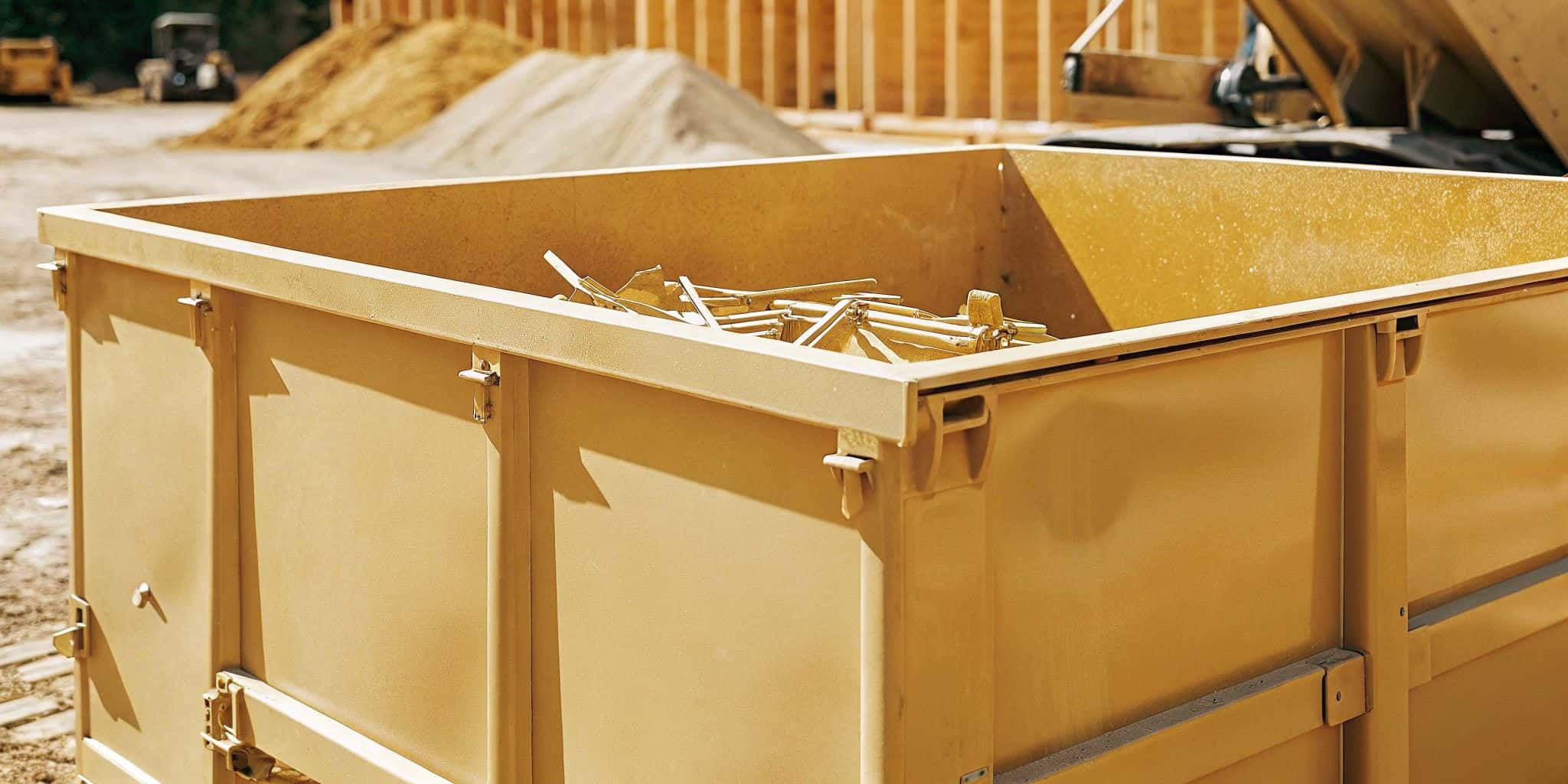
Choosing the wrong dumpster size wastes budget and slows down site operations. Getting this right prevents site clutter and keeps your next commercial project on schedule.
Standard commercial roll off dumpster sizes range from 10 to 40 cubic yards to accommodate different facility waste streams. Choosing the correct size is essential for maximizing efficiency during cleanouts and renovations. CheckSammy offers nationwide roll-off container services, matching your project with the ideal bin size to ensure cost-effective, sustainable disposal and seamless operations.
Need to secure the right dumpster size for your next multi-location facility cleanout? Contact CheckSammy today for on-demand nationwide service and flat-rate pricing.
Planning a large waste project requires more than just calling a hauler for the first bin you find. You need to know how each bin fits on your site. The path to a smooth project starts with Understanding Commercial Roll-Off Dumpster Sizes and Dimensions. Here is how.
Commercial Roll Off Dumpster Sizes: Understanding Commercial Roll-Off Dumpster Sizes and Dimensions
Picking the right bin size is vital for a smooth project. It helps your team handle waste with ease and keeps your site safe. Most commercial waste management solutions use roll-off bins for large jobs. These bins come in sizes from 10 to 40 yards. Each one meets an exact need, from minor store cleanouts to major build sites. Picking the right fit can also save you money on haul fees.
Common roll off container sizes
Most bins have the same width but differ in length and height. A standard 20-yard bin is about 22 feet long and 7.5 feet wide. Knowing these facts helps you find the best spot for the bin at your site. It also helps you see if your site has enough room for a truck to drop it off. You should check your site layout before you pick a size to ensure a safe haul. This prep work helps you avoid site blocks and keeps your team on track.
Size (Cubic Yards)
Dimensions (L x W x H)
Typical Use Case
10 Yard
14' x 7.5' x 3.5'
Small store cleanouts or heavy debris like concrete.
15 Yard
16' x 7.5' x 4.5'
Small office moves or minor retail updates.
20 Yard
22' x 7.5' x 4.5'
Store closures or mid-sized office updates.
30 Yard
22' x 7.5' x 6.0'
Large retail builds or warehouse cleanouts.
40 Yard
22' x 7.5' x 8.0'
Major plant demo or large cardboard recycling.
A 40-yard bin can hold a large amount of light waste. For instance, it can fit 2,000 lbs of flat cardboard boxes. This makes it a top pick for recycling projects at large stores or hubs. You can find more data on weight for trash volumes in official EPA guides. Using the right roll-off container sizes ensures your site stays clean and stays within city rules. It also helps you track your waste for better green reports.
Picking a size for your site
Your choice should match the kind of work you do. A 10-yard bin is small and low to the ground. This makes it easy to load by hand or with a small machine. It is best for heavy items like dirt or tile that reach weight limits fast. If you are closing a store, you may need a 20-yard bin. It offers enough space for racks, old stock, and floor junk. For a large retail build, a 30-yard or 40-yard bin is best. These larger sizes mean fewer hauls and less downtime for your crew.
Site teams must also think about weight and haul frequency. A 30-yard bin can usually hold 7,000 to 10,000 lbs of waste. But if you fill it with heavy items like bricks, you might hit the limit too soon. This can lead to extra costs for your business. Good waste management planning looks at site space and how often you need a pick-up. This keeps your work moving fast and cuts down on truck use.
Managing weight and haul speed
CheckSammy offers flat-rate pricing for all choosing the right container size options. This makes it simple to track your spend across many sites. Our tech platform also gives you photos of every pick-up and drop-off. This proof helps your team show high waste diversion to leaders. We send these facts in less than 24 hours to help you make fast choices. By using our data, you can pick the best bin size for every new project with ease.
How to Choose the Right Roll-Off Dumpster Size for Your Facility Project
Selecting the right bin size is a key part of commercial waste management planning. The right choice helps your team handle needs, site layout, and transport costs. Most commercial roll off dumpster sizes range from 10 to 40 yards to fit different project scales. Picking the wrong size can lead to extra fees or slow down your work. Follow these steps to find the best fit for your facility.
Check material volume and weight
First, look at the type of waste you have. Some materials take up more space or weigh more than others. For example, a 40-yard bin can hold about 2,000 lbs of flattened cardboard boxes. If you have heavy debris like concrete, you may need a smaller bin to stay under weight limits. You should also check if your contract has an equal capacity clause. This rule ensures your recycling and compost service levels match your trash service to help meet goals.
Review site layout and space
Your facility must have enough space for the bin and the truck that drops it off. A standard 20-yard roll-off is about 22 feet long and 7.5 feet wide. You also need room for the doors to swing open. Check for low wires or trees that might block the truck. If your space is tight, you might need a smaller bin with more frequent pickups. CheckSammy provides nationwide facility services to help you plan these layouts across many sites.
- Audit your material streams: List the types of waste your project will create. Find which items can go to a recycling center to reduce landfill waste.
- Calculate total volume: Use the volume of your waste to pick a bin size. Commercial bins often come in 10, 15, 20, 30, and 40-yard options.
- Evaluate load density: Note if your waste is light like paper or heavy like metal. Heavy loads may hit weight caps before the bin is full.
- Measure your footprint: Mark the area where the bin will sit. Ensure there is a clear path for the haul truck to enter and exit.
- Set your pickup plan: Decide how often the bin needs to be emptied. Frequent hauls can help if you have a small workspace.
Check your sustainability goals
The size you pick affects your carbon footprint and ESG reports. Larger bins mean fewer truck trips. This can lower your scope 3 emissions. CheckSammy uses tech to track every load and gives you data for your reports. This helps you show how much waste you diverted from the landfill. Picking the right size ensures your logistics stay lean and your data stays accurate.
What are the Weight Limits and Capacity Factors for Large Roll-Off Containers?
Choosing commercial roll off dumpster sizes takes more than just picking a box that fits your site. While a 30-yard or 40-yard bin has plenty of space, the weight of your waste is often the real limit. Team leaders must balance the size of the bin with the actual weight it can safely carry on the road.
Tonnage versus cubic volume
Cubic volume measures the space inside the bin, while tonnage refers to the weight of the waste. A 30-yard roll-off often holds about 14 pickup truck loads. However, most haulers set weight limits for these large bins between 7,000 and 10,000 pounds. If you fill a bin with heavy items like concrete or wet soil, you may hit the weight limit long before the bin is full.
For lighter waste, you can use more of the open space. A 40-yard bin can hold 16 pickup loads, but it might only contain 2,000 pounds of flattened cardboard boxes. This gap between space and weight is why density matters. Managing your load based on waste type helps you avoid safety risks and extra fees.
Density and load judging
Before you pick a size, you should judge the density of your waste stream. Density changes based on how tightly you pack the waste and how much air is in the load. For example, loose paper takes up a lot of room but weighs very little. In contrast, scrap metal or wood debris is much denser and adds weight quickly.
CheckSammy helps enterprise clients track these metrics through a data-first way. By using verified data, you can choose the best recycling services for your specific needs. Smart planning ensures you do not pay for empty space or face fines for a bin that is too heavy. The EPA recommends judging your work needs and site layout to improve moving flow.
Managing heavy loads and rules
A bin is too heavy when it goes over its weight limit. This can lead to fees if the truck cannot safely lift the bin. It also poses risks to road safety and can result in legal fines. Proper waste planning involves setting clear rules for how staff load the bins.
Meeting rules is another key factor for large commercial sites. Some local laws require that your recycling service levels match your trash levels. This means the size and how often you empty your recycling bins must equal your trash service. Following these equal capacity clauses helps your site meet sustainability goals while staying within legal limits. Verified tracking ensures every load is logged from the moment of pickup to the final disposition.
Spatial and Placement Considerations for Enterprise Roll-Off Containers
Picking the right commercial roll off dumpster sizes is just the first step. You also need to plan where the bin will sit on your site. For big jobs, site planning helps you avoid wait times and keeps your team safe. You must think about how the truck will get in and out of your lot.
Assessing site layout and clearance
A common 20-yard or 40-yard bin is about 22 feet long and 7.5 feet wide. But you need much more space than that for the drop-off. Most roll-off trucks need about 60 feet of flat space to set a bin. They also need about 23 feet of clear air to lift the hoist. When you plan your site layout, look for low wires or trees that might block the truck.
Trucks also need a wide turn path. If your gate or alley is too tight, the driver may not be able to set the bin. Check for parked cars or site gear that could get in the way. It is best to mark the spot with cones before the truck comes. This keeps the path clear and ensures the bin goes exactly where you want it.
Protecting surfaces and managing permits
Heavy bins can damage your lot. A full 30-yard bin can weigh up to 10,000 pounds. This weight can crack old roads or leave ruts in soft dirt. You should put large boards under the wheels of the bin to spread the weight. This simple step protects your lot from costly repairs.
You also need to think about local rules. If the bin will sit on a public street, you likely need a permit from the city. Most towns have rules about how long a bin can stay on the curb. CheckSammy can help you handle these jobs as part of our commercial waste removal service. We make sure your site stays in line with all local codes.
Planning for multi-location roll-outs
Large firms often need bins at many spots at once. This needs careful planning to keep costs low. You should look at the waste flow at each spot to pick the best bin size. Some spots may need 40-yard bins for big items, while others only need 10-yard units.
CheckSammy uses tech to track every bin in your network. Our platform gives you data on weight and diversion at every stop. This data helps you see which sites need more service. By using our ZeroPoint facilities, you can also hit high diversion goals across your whole fleet. This makes it easy to manage waste for hundreds of spots from one screen.
Material Restrictions and Diversion Rules for Commercial Roll-Offs
Managing waste at a large site takes more than just picking a bin. You must also know which items can go inside your container. Most cities have strict rules about what you can throw away. These rules help protect the soil and water from leaks. Dangerous waste, tires, and liquids are often on the list of banned items. If you mix these with normal trash, you may face large fines.
Picking the right commercial roll off dumpster sizes for set waste helps you stay in line with local laws. It also makes it easier to reuse waste from landfills. Diversion means finding a new use for items instead of burying them. When you sort your items at the source, you can turn trash into a new tool. This process is a key part of a circular model.
Sorting items for a circular model
Many common items found on job sites are easy to recycle. Cardboard, metal, wood, and e-waste can often be pulled out and sent to special plants. For example, a 40-yard roll-off can hold about 2,000 lbs of flattened cardboard boxes at once. By keeping cardboard away from other trash, you keep it clean and ready for reuse. This lowers the cost of hauling because clean items are worth more to recycling centers.
Metals and wood are also high-value items. Steel and other metals can be melted down and used again and again. Clean wood from crates or pallets can become mulch or fuel. Sorting these items might seem like extra work, but it helps the planet and your budget. Many modern commercial waste management solutions now include separate bins for these set streams. This setup ensures that each item goes to the right place for sorting.
CheckSammy's diversion and ZeroPoint sites
CheckSammy takes diversion to a higher level with its own network of sites. These are called ZeroPoint sites. They are built to sort complex waste from many places. Because CheckSammy owns these sites, they can track fully where every ton of waste goes. This tech-heavy approach lets the firm reach a 94% average diversion rate. This is much higher than what most old haulers can offer.
The system uses real-time data to give you a clear view of your impact. You get photo proof and GPS tracking for every pick-up. This data is vital for large firms that must report on their green goals. Instead of waiting weeks for a report, you get data in less than 24 hours. This speed helps you make fast choices about your waste needs across North America. It also proves that your team is meeting the diversion rules set by your city or state.
What Questions Should Facility Managers Ask Before Ordering a Roll-Off Dumpster?
Ordering a dumpster for a large business takes more than a quick call. You need a partner that can handle many sites and complex waste streams. Asking the right questions helps you avoid high costs and long wait times. It also helps you meet your green goals and stay on budget. You should focus on these key areas before you book your next bin.
Are there clear weight limits and fee tiers?
Weight limits are a top thing to check before you order. A 30-yard dumpster can often hold 7,000 to 10,000 pounds of waste. If your load is too heavy, you could face big surprise fees. You must ask if the company uses a flat-rate price or extra fees for each ton. CheckSammy uses a flat-rate model for its commercial waste management solutions. This helps you plan your costs across all your sites with ease.
You should also match your waste type to the best commercial roll off dumpster sizes for the job. Large bins like the 40-yard model work well for light items like cardboard. But heavy waste like bricks or soil needs a smaller bin to stay under road weight limits. Asking about these tiers upfront keeps your project moving without extra costs.
Will I get proof of service and data tracking?
Old waste companies often leave you in the dark about where your trash goes. For modern green goals, you need real proof of every pick-up. Ask if the company uses GPS and photo proof for their work. CheckSammy uses smart tech to track waste from your site to its final stop. This gives you a clear chain of custody for every waste stream. It also helps you show that your waste was handled the right way.
Speed is also vital when it comes to your data. You should ask how fast you will get your service reports. Many haulers take a month to send paper records. But CheckSammy sends verified data and certificates in less than 24 hours. This fast reporting lets you update your team on your progress right away. You can also use this data to improve your commercial roll off dumpster sizes choice for future projects.
What are the specific permits and site needs?
Placing a large bin needs good site planning. You must ask if your city needs a permit to put a dumpster on a public road or path. You should also check your site map to be sure trucks have enough room to turn. The EPA says that business waste planning should focus on site layout and transport speed. Good planning helps you avoid fines and keeps your facility safe for workers.
Ask if your company offers help with local permits across the country. This is a big help for firms with hundreds of stores in different cities. A partner that knows local rules can save you from many headaches. They can also advise you on the best spot for your bin to keep pick-ups fast and safe. Before you start, make sure you know exactly where the bin will sit and how the truck will reach it.
Ready to optimize your facility's waste stream and diversion metrics? Get a quote from CheckSammy for transparent, tech-enabled roll-off container services.
Frequently Asked Questions
What is the most popular roll-off dumpster size?
The 20-yard roll-off is the most common choice for many commercial jobs. It fits well in tight spots but still holds about eight pickup truck loads of waste. This size works for retail store cleanouts and small office moves. Based on data from Waste Connections, this bin is a top choice for site leads. It provides a good mix of space and ease of use.
How much weight can a 30 yard roll-off dumpster hold?
A 30-yard bin often holds between 7,000 and 10,000 pounds of stuff. This is about the same as 14 pickup truck loads. For project teams, this size is great for large office guts or new builds. Data from Dumpsters.com shows that going over these limits can lead to extra fees. Large firms should track weight closely to stay on budget and meet waste goals.
What are the dimensions of a 40 yard roll-off container?
A 40-yard bin is the largest standard size for big commercial projects. It is about 22 feet long, 7.5 feet wide, and 8 feet tall. Because it is tall, you need clear space above the drop spot. This size works best for heavy trash or large amounts of cardboard. The EPA notes that these bins can hold 2,000 pounds of flat boxes.
What dumpster size do I need for my commercial project?
Your choice depends on the type of waste and site space. Small retail jobs often use 10 or 20-yard bins. Large plant cleanouts or big builds often need 30 or 40-yard sizes. CheckSammy helps firms pick the right fit for commercial waste removal to cut costs and boost recycling. Each bin also comes with a report that shows where the waste went. This helps with green goals.
Ready to plan your next commercial waste project?
Waiting to plan your waste flow leads to slow work and missed dates that can hurt your bottom line. Picking the wrong bin size wastes cash and site space while creating risks for your team. When you act now, you avoid late fees and keep your project moving fast toward a clean finish. Every day you wait is a day of lost time and higher costs for your large site. You need a clear way to track your waste and hit your green goals without the stress of last-minute calls. Our team helps you pick the right size for commercial waste removal so you can focus on the job at hand. We make it easy to see your progress and stay on budget from the start. You can get a clear plan today that keeps your site clean and safe for all.
Ready to schedule a free consultation? Contact us online to schedule a free consultation and get a custom waste-diversion quote.