Commercial Waste Compactor Service Response Guide
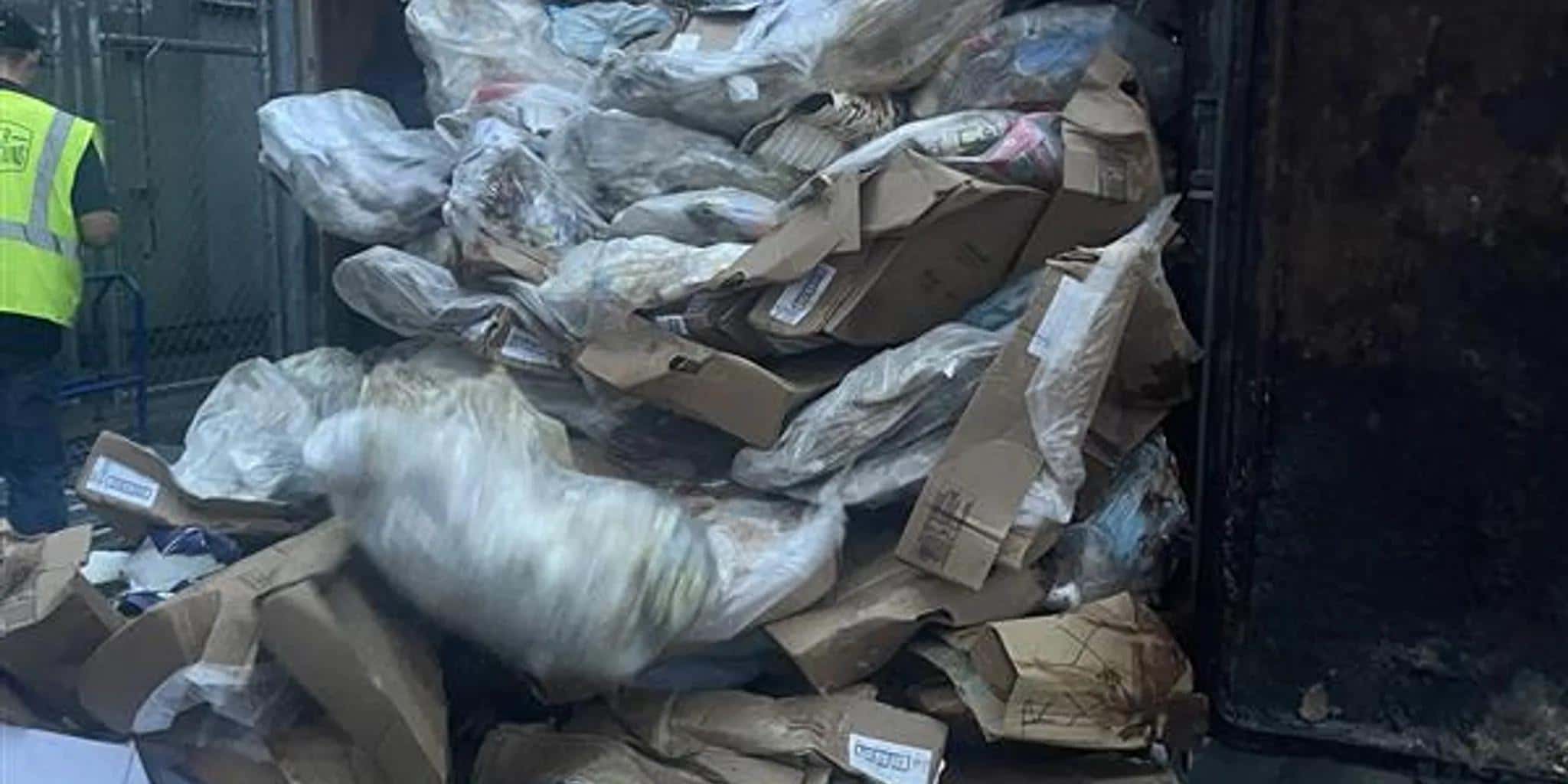
A failed waste compactor can halt operations at a busy facility in minutes. When trash overflows, safety risks and health code violations follow quickly. Facility managers need a reliable partner to handle these equipment failures right away.
A reliable commercial waste compactor service provides the technical support, expert hauling, and logistics needed to manage high-stakes equipment failures and overflow events. These services include urgent repairs, regular maintenance, and on-demand hauling to handle hydraulic leaks, electrical issues, or sensors that stop the machine from working. By using a partner with a nationwide network, you can ensure that a technician arrives with the right parts to resolve failed compactor issues fast. CheckSammy maintains a 99.2% first-visit completion rate, which helps you avoid safety risks and maintain site compliance during an equipment failure. Regular service visits help you avoid the high costs of urgent hauling and keep your diversion rates high (EPA).
Facility teams must act fast when a compactor stops working to avoid health code violations and safety risks. You can keep your site clean by following a strict work plan during an equipment failure. This plan starts with the Commercial waste compactor service: immediate response checklist, which begins with.
Commercial waste compactor service: immediate response checklist
A failed waste compactor can quickly halt your site's daily work. These machines can hold up to five times more waste than standard bins, making a break a major logistics test. When a jam, leak, or part fails, your team must act fast to stay safe and keep moving. Using a set plan helps stop small issues from becoming big risks to the area or your staff.
Secure the site and area
The first step in any tool failure is to protect your staff and guests. Clear a safe zone around the unit to prevent any touch with moving parts or leaked fluids. If the unit leaks, use spill kits to catch the wet waste before it reaches drains. Keeping a clean site is part of proper commercial waste disposal and keeps your site in line with local rules.
You should also set up clear lines to ensure no one tries to use the machine while it is down. Do not allow staff to try their own fixes. Compactors use high pressure that needs expert care. Proper facility services ensure that only trained pros handle big issues. Keeping people away from the failed unit is the best way to avoid harm while you wait for a pro.
Document the failure details
- Check for power issues. Make sure the unit has power and that no stop buttons are pushed.
- Find the problem type. Note if the issue is a jam, a oil leak, or a full motor fail.
- Take clear photos. Capture the control panel, the loading area, and any visible damage or leaks.
- Check the waste levels. Note how full the unit is to help the team plan for a haul off.
- Record the error codes. Write down any numbers or lights shown on the machine screen.
- Gather the unit info. Find the model and ID number to speed up the part orders.
Initiate expert service
Once you have secured the area and noted the details, call for expert help. Fast action can help you avoid high fees and extra haul costs. The EPA notes that fast service helps lower care costs over the long term. Reach out to your service partner to get a tech on site fast to fix your waste flow.
A good commercial waste management partner should offer fast help to keep your site running. Look for teams that can handle the fix and any waste removal. Quick fixes and clear data keep your site on track with its waste goals. Good service keeps your dock clear and your work moving without a long wait.
How should teams coordinate an emergency pickup?
Broken units can stop work at busy sites. Leaders with many sites must act fast when a commercial waste management system fails. To start, teams should find a partner with a large network. A group with 10,000 pros can often help faster than local crews. High-use sites need a 99.2% first-visit success rate to avoid more downtime. Working with a firm that has nationwide reach ensures you get help in any city at any time.
Share site and unit details
Clear facts help the commercial waste compactor service team work fast. Give the firm the exact site address and a local name. You should also list the unit type and the waste in the bin. This helps the crew bring the right tools for the job. For example, a self-contained unit handles wet waste and needs other care than a fixed bin for dry goods.
When you call for help, include:
- The size and model of the unit.
- The type of waste, such as paper or food scraps.
- Any known issues, like a power loss or a leak.
- Photos of the site and the bin.
Knowing what items are in the bin is key for safety. Some units only take certain types of trash. Giving this info upfront prevents delays at the site. It also helps the firm send the right truck for the load.
Plan for site access and staging
Access is a common hurdle for big trucks. Ensure the path to the unit is clear of cars and trash. Some sites have gates or docks that need keys or codes. Share these details early to save time. If the crew cannot get to the bin, the fix will take longer. Haulers often have strict routes, so a blocked path could mean a missed pickup.
If the unit is full, you may need a place to store extra waste. This is called backup staging. Using roll-off bins can help keep the site clean while the main unit gets fixed. According to the EPA, good service plans match hauler reach with what the site really makes. This helps keep costs low and avoids extra fees. You should mark a clear spot for the backup bin so the crew can drop it off fast.
Track the fix and get data
Trusted service needs clear talk between all teams. A tech-led partner will give you updates in real time. This helps leaders see if the work is done without a site visit. You can track progress from your phone or desk. This sight into the work helps you manage many sites from one spot.
Modern systems track waste from the moment of pickup. This tracking is vital for green reports and rules. True data shows that your firm handles waste in a safe way. Using a smart system can lead to an 80 percent drop in the number of trips a truck makes. This keeps your building moving and lowers your carbon impact. Real-time data also lets you see if a unit fails often so you can plan for a new one.
Is overflow caused by capacity, scheduling, or equipment failure?
A failed commercial waste compactor can stall your work and lead to unsafe trash piles. Finding the root cause of the mess is the first step to fix it. You need to know if the problem is too much waste, a bad pickup plan, or a broken machine. CheckSammy provides 24/7 support to help you manage these commercial waste management issues before they scale.
Check for mechanical failure
Most issues start with the machine itself. Look for oil leaks, strange sounds, or power loss. If the ram does not move or the motor hums but stays still, you likely have a mechanical fault. These failures often come from worn parts or poor care over time. A prompt commercial waste compactor service can find these small faults before the whole machine breaks down.
Check the safety gates and switches as well. A loose sensor can stop the unit even if the motor is fine. If the machine works but does not crush well, the hydraulic fluid may be low or dirty. These issues need a pro to fix so you stay safe and keep your site clean. Correct care helps you avoid high fees for extra hauls and disposal as noted by the EPA.
Spot capacity and scheduling gaps
If the machine runs well but stays full, you may have a capacity issue. This happens when your business makes more trash than the unit can hold. A good compactor can hold up to five times more waste than a standard bin, according to Washington University in St. Louis. If you hit this limit often, you might need a bigger unit or more pickups.
Look at your pickup schedule next. A gap in the timing of your hauls can cause overflow even if your machine is huge. If your trash levels spike on certain days, you need a plan that matches those peaks. You can also use smart systems to track fill levels. These tools help you see when you really need a haul and can cut down on visits by up to 80 percent.
Compare observable signals
Use the signs you see to guide your next move. A humming motor usually means a mechanical issue, while a full bin with a working ram points to a space problem. Use this table to sort your findings and pick the right fix for your facility.
Observable Signal
Likely Root Cause
Recommended Action
Ram is stuck or slow
Hydraulic or motor failure
Call for technical repair
Compactor full but ram works
High waste volume
Review capacity needs
Overflow on specific days
Scheduling gap
Add or move pickup days
No power or won't start
Electrical or gate fault
Check switches and power
Visible fluid on ground
Hydraulic leak
Stop use and call service
Once you find the cause, you can act to restore your proper commercial waste disposal flow. Fixing these gaps keeps your site safe and cuts your long-term costs. Quick action also helps you keep up with your goals for landfill diversion and site hygiene.
How can facility teams prevent repeat compactor overflows?
Stopping overflows starts with smart daily habits. When a unit gets too full, it can halt work and lead to high costs. Facility teams need a clear plan to keep waste moving. A solid commercial waste management plan includes checks on loading and gear. Acting early saves time and keeps your site clean. Regular care helps you find small issues before they become big breaks.
Regular visual checks
Daily looks at the unit can catch problems early. Staff should check the ram and the area for spills or trash build-up. Clear signs help teams know how to load the unit right. One common cause of jams is overfilling the bin past the fill line. Good loading habits ensure the machine works well and stays on track. These checks also help units last longer and work better over time.
The EPA says that regular care and service reduce costs and stop repairs. Teams should watch for leaks, odd sounds, or frayed hoses. If a part looks worn, call for help fast. Fixing small parts is much cheaper than a full break. This helps keep the site safe and clean for everyone. It also stops small jams from becoming large spills that take hours to clean up.
Smart sensors for timing
Modern tools take the guess out of waste levels. Smart sensors can track how full a unit is at all times. These systems can cut the number of truck trips by up to 80 percent. This saves money on hauler fees and lowers your carbon footprint. Instead of a fixed schedule, you only get a pick-up when the bin is full. This tech gives you a clear view of your waste stream.
Some units use solar power to alert staff when they reach a set limit. This smart alert system stops overflows before they happen. It means less time spent on manual checks. It also means no more guessing if a bin is full. Using a commercial waste compactor service with tech keeps your flow smooth. You get data to prove your site is working well and meets your green goals.
Seasonal planning and material shifts
Waste flows change based on the time of year. Holiday rushes or big clean-outs can fill bins fast. Teams should look at past data to see when waste peaks. If you know a busy week is coming, book an extra pick-up early. This stops the unit from hitting a hard limit during high work times. Being ready for these shifts keeps your site running without a pause.
Keep a close eye on what goes into the unit. Jams often happen when people put the wrong items in the ram. Wood or metal can break a unit meant for soft trash. Train all staff on what is safe to load. Following loading rules saves time and avoids the need for fast calls. A clean waste stream makes the whole process faster and better for your team. Good training is the best way to stop repeat problems.
Build a commercial waste compactor service plan
Managing waste across many sites needs a clear service plan to keep work moving. A commercial waste compactor service plan ensures your gear stays in good shape so failures do not stop your work. You should define how fast a partner must act on a problem and what happens if a unit breaks. Without a plan, a small issue can lead to big costs and waste piles at your sites.
Define service levels and response times
Your plan should set clear goals for response times based on how bad the problem is for your site. Busy sites often need a fast fix to keep waste from piling up. You can set up ways to move issues up if a repair takes too long. Using a partner with a 99.2% first-visit completion rate can help you fix issues on the first trip and keep your sites open. This high level of care is key for busy teams who cannot wait days for a fix.
You should also define when workers can get to the gear and who is in charge of each task. Some sites may need help day or night, while others have set hours. A good plan lists these facts so there is no mix-up when a pro arrives. Strong commercial waste management partners use these facts to avoid delays. Having a large network ensures you get the same level of care at every spot you manage.
Plan for emergency and back-up needs
Even with good care, machines can fail. Your service plan must include a way to handle waste if a unit stops. You might need extra bins or more trips from a hauler until the fix is done. The EPA suggests that fine-tuning your hauling can help you cut costs and manage waste better. Setting up a back-up plan before a failure happens saves time and stops stress for your staff.
A smart plan also uses data to watch how well your gear is doing. You can track repairs and see if one site has more issues than others. This data helps you make better choices about when to buy new units. Partners that give you auditable data visibility make it easy to see these trends across your whole network. This clear view helps you prove your site is running well and meeting its goals.
What data helps reduce repeat compactor incidents?
Tracking the right metrics is a key part of commercial waste management and keeping units running. When you gather clear data on each service call, you can find patterns that lead to repeated failures. This shift from quick fixes to smart plans helps facility teams hold vendors to high standards and lower costs.
Key metrics for operational uptime
Facility managers should record specific details for every repair to prevent future issues. Key data points include fullness levels, total weight, and the exact cause of any downtime. Knowing the root-cause code for a failure shows if a problem comes from old parts or bad user habits. By matching this data with your pickup schedule, you can make sure your commercial waste compactor service fits your actual site needs.
Photos are another vital tool for reducing incidents. Photos taken before and after a repair provide a clear record of the work done. This helps verify that a tech fixed the true source of the problem during their visit. According to the Environmental Protection Agency (EPA), auditing your service needs can help you cut costs and fine-tune hauling contracts based on real waste data.
Improving vendor work through data
Good data lets you measure how well your service partners perform over time. You should track how often a specific issue occurs at each site to find equipment that fails a lot. If a single unit needs many visits for the same problem, it may be time for a new unit or a change in your plan. Tracking these trends across many sites helps leaders make better choices about vendors and costs.
Live insights also help you optimize your hauling plans. Smart compactor tools can alert your team when bins reach full capacity. These alerts may reduce collection visits by up to 80 percent. This feedback ensures that you only pay for hauls when they are truly needed. Using clear facts instead of guesses creates a more reliable waste chain and supports your long-term goals.
Scale compactor response across every location
Large firms often struggle to manage waste tools across many sites. Dealing with many local vendors leads to poor service and slow repairs. A nationwide commercial waste compactor service gives you the steady care that big brands need. By using one partner, you make sure that every site follows the same high rules. This one-plan model helps your team focus on their main work instead of calling local haulers. Reliable commercial waste removal is the backbone of a clean and safe facility.
Consistent care for many sites
Managing waste at scale needs a partner that can reach every area. CheckSammy offers nationwide 24/7 care for all site needs. This means your team gets the same high level of help in New York as they do in Texas. One point of contact makes it easy to report a fault and track the fix. It also helps in keeping a strong commercial waste management plan across your whole business.
A single partner also helps with vendor bills and contracts. Instead of many bills, you get clear data from one place. This makes the work easier for your office team and cuts down on errors. Unified billing is a key part of modern facility services for large firms. It allows for better budget plans and cost control at the main office. You can see your costs clearly and make smart choices for the future.
Better data for waste insights
New tools are changing how we handle heavy waste. Smart compactors can hold up to five times more trash than standard bins of the same size. These systems can also track how full a unit is at all times. Research shows that using smart data can lead to an 80 percent reduction in collection visits per container. This shift saves time and keeps trucks off your property more often.
Clear data lets you change your hauling times to match real waste levels. This is a smart way to decrease hauler fees and avoid extra disposal costs. Our technology platform gives you a full view of your waste streams. You can see which sites work well and where you can improve. This verified chain of custody is vital for your green reporting goals.
Rapid fixes for complex equipment
When a waste unit fails, the impact is felt right away. Waste piles up, smells increase, and safety risks can grow. You need a fast response to keep your site running. CheckSammy keeps a 99.2% success rate on the first visit for all service calls. This high level of trust is vital for fixing compactor issues before they become big problems. We know that downtime costs you money and harms your brand.
Regular upkeep is the best way to avoid high repair costs. Our team helps you set up a plan for your recycling services and gear. This active step keeps your hardware working for a longer time. By catching small flaws early, you avoid the high cost of a full breakdown. Our national network makes sure that expert help is always close by when you need it most.
Frequently Asked Questions
Does my business need a commercial waste compactor service?
Most large businesses need a compactor service to handle high waste volumes safely and keep costs low. According to the EPA, managing waste through compaction can lead to huge savings by lowering hauler fees. These services provide the expert care needed to fix leaks, jams, and motor fails that can stop your daily work. Professional support ensures your site stays clean, safe, and in line with local rules.
How often should a commercial waste compactor be serviced?
You should schedule service for your waste compactor at least once or twice per year to prevent major breaks. Regular maintenance helps you find small issues like worn parts or minor leaks before they cause a full system fail. Keeping your unit in good shape avoids the high costs of emergency repairs and unplanned hauling. A consistent service plan helps your facility maintain a high diversion rate and keeps your dock running without any delays.
How does commercial compactor repair service work?
When a unit fails, a tech arrives to check the power, hydraulics, and sensors to find the root cause. For multi-location firms, using a partner like CheckSammy is vital because they have a 99.2% first-visit completion rate for service requests. The tech will clear jams, fix leaks, or swap out broken parts to get the machine back to work. Fast repairs prevent trash from piling up and help you avoid health code risks at your site.
Can commercial waste compactors help with landfill diversion?
Yes, compactors play a key role in sustainability by making it easier to sort and store large amounts of recyclables. Research shows that smart units can hold up to five times more waste than standard bins of the same size. This higher capacity reduces the number of truck trips needed, which lowers your total carbon footprint. Using a compactor service also provides auditable data that helps you track your progress toward zero-waste goals for your business.
Ready to request commercial waste compactor support?
Every day that a commercial waste compactor stays broken, your firm faces new safety risks and the chance of very high local fines. Trash that piles up draws pests and creates bad smells that turn away both your staff and your guests while hurting your brand name. By acting now, you can avoid these costs and get back to a clean site where your team can work without extra stress.
Are you ready to stop the trash overflow? Request commercial waste compactor support now to talk to a waste expert who can help you manage your nationwide sites and keep costs low. Our team is here to help you fix these site issues today. You can stay focused on your work while we handle the waste mess for you.