Facility Services Vendor Consolidation Guide
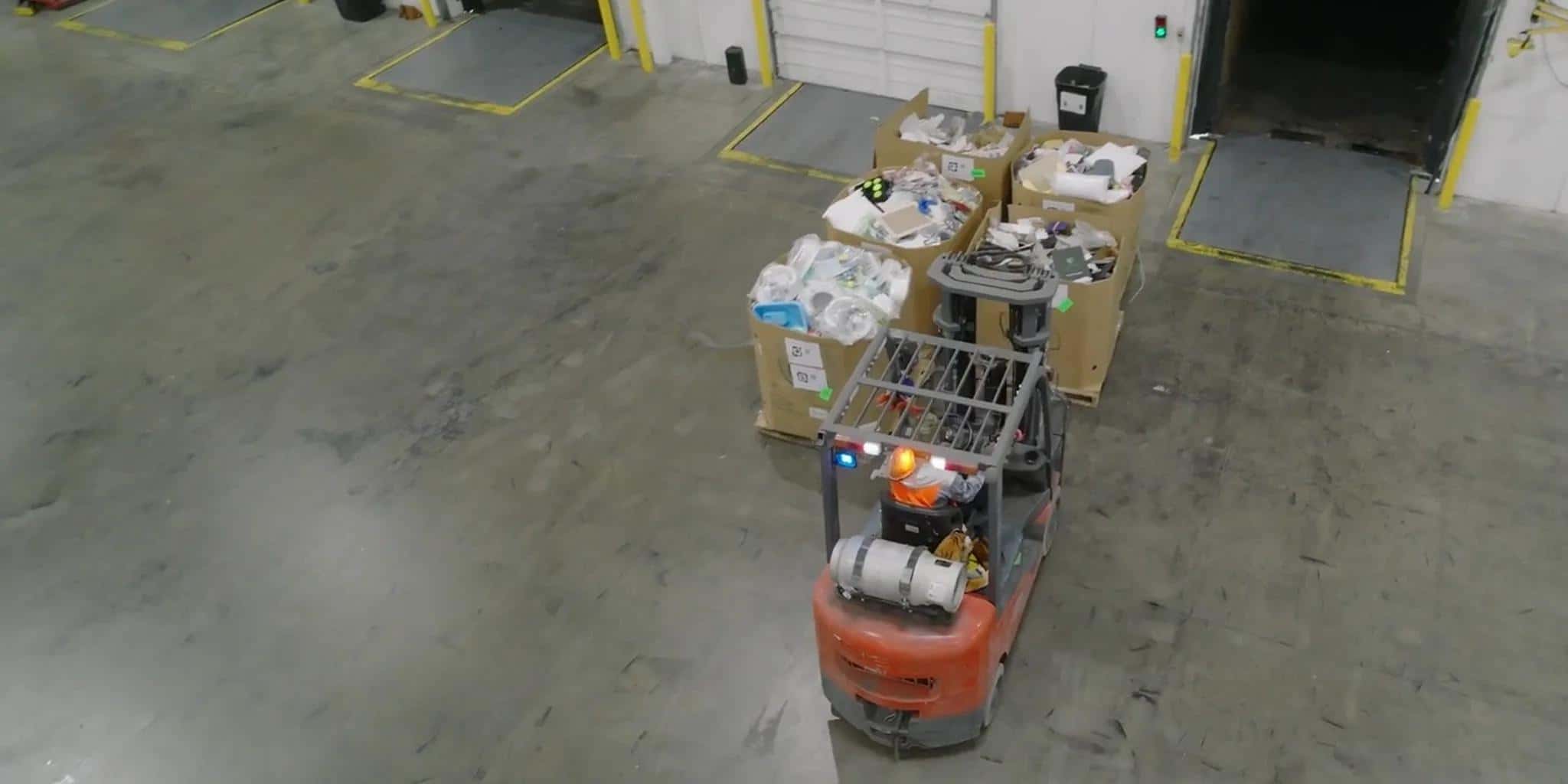
Large firms can save 20 percent on upkeep by using fewer service partners. Handling a separate contract for every building is slow and costs more. A single plan is the best way to grow without adding more work.
Explore nationwide facility services from CheckSammy to standardize service, reporting, and accountability across every location.
Facility services vendor consolidation is the process of using fewer partners to handle site upkeep for large firms. This plan helps teams cut costs by 20 percent while raising the work level at every site. When a business uses too many vendors, it often sees higher costs and mixed results. By moving to one managed partner, firms can ease billing and ensure every site meets the same high standards. Research from CLS Facility Services shows that handling many vendors can take up 40 percent of a manager's time. A single approach removes this load so teams can focus on growth instead of chasing bills. This model gives the data needed to track spend across a whole network of buildings.
Managing a large network of sites requires a clear plan to keep work consistent and costs controlled. The first step is understanding how consolidation changes the operating model.
What is facility services vendor consolidation?
Facility services vendor consolidation is a good way to group many service partners into one main partner. For large firms with many sites, managing dozens of local teams can lead to high costs and messy data. This model swaps that stress for a single point of contact. It covers tasks like waste removal, cleaning, site repairs, and HVAC care. Instead of managing many separate contracts, you use a single system to oversee your entire group of buildings.
For most businesses, facility services vendor consolidation is about more than just ease. It is a choice that builds scale. By using one partner, firms can set the same standards at every location. This removes the silos that happen when each site picks its own help. Research from the General Services Administration (GSA) shows that strategic sourcing helps reduce costs and makes purchasing more efficient for large organizations.
The operating model for unified facility care
The heart of this model is a single point of truth. When you use this plan, you get a clear view of all your spending. This partner manages a vetted network of pros who handle the day-to-day work. You no longer have to find local teams or track their rules yourself. The platform handles the hiring, the dates, and the bills for you. This frees up your team to focus on big goals instead of small tasks.
This model also uses tech to track every job. Digital tools give you real-time data on how each site is doing. You can see when a job starts and when it ends. This audit trail is key for meeting rules and tracking sustainability goals. State agencies in Rhode Island have used these plans to move away from local silos. This shift allows for more resource sharing and low-cost care across many sites.
Strategic consolidation vs. cutting vendors
Strategic consolidation is not just about firing vendors to save money. Simple cost-cutting often hurts quality. Strategic work focuses on long-term value and better ways to work. It looks at the full cost of a service, not just the price on one bill. By bundling facility management services, you can remove the hidden costs of forms. You stop paying for duplicate invoices and unmanaged service level agreements.
A strategic partner also brings skills that a local vendor might lack. They can use volume spending to get better rates. They can also set up rules for all sites to follow. This ensures that a site in New York gets the same high-level care as one in Texas. This steady care is hard to reach when you manage fifty vendors across fifty sites. Consolidation gives you the power to see how well each site performs. It helps you see which sites need more help and which are doing well. This data-driven view turns facility care into a real asset for the firm.
How to assess a fragmented facility vendor network
Managing many vendors for many sites is hard. Most facility managers spend about 30-40% of their time just talking to vendors. This split focus often hides the true cost of your site care. Managing 20 vendors across 50 sites can waste a lot of time. Your teams may spend too much effort on duplicate invoices. To fix this, you must first see the full scope of your current network.
Catalog your current service list
Start by making a list of every vendor you use. Include their area, service type, and contract end date. You may find that you have three other teams for the same task in one city. This overlap wastes money and makes it hard to set high standards. In many cases, these silos keep teams from sharing tools. When each site works on its own, you lose the power of a large group. A split list often leads to mixed work and missed deadlines.
Review spend and service data
Look at how much you pay for each foot of space at each site. Research shows that split networks often lead to an 8-12% higher cost per square foot. This happens because you cannot use your total size to get better rates. Use these steps to build a clear picture of your network health:
- Inventory contracts: List all active contracts and the services they cover for each site.
- Map coverage gaps: Find where you have too many vendors in one area or too few in another.
- Benchmark pricing: Compare your costs to industry rates to find extra costs.
- Review performance: Track how often each vendor misses their goals or deadlines.
- Calculate administrative effort: Measure the time your team spends on invoices and contract work.
Set a new standard for quality
Once you have the data, you can build a better plan. Look at how large groups handle this task. For example, some government teams use 131 labor groups to compare vendor offers. These standard roles allow for reviews that compare one offer to another fairly. Using a clear list of roles helps you spot fair prices and avoid hidden costs. It also makes it easier to train teams and check their results.
This step is key for strong facility services vendor consolidation across many sites. When you have one set of rules, you get better work for less money. A unified plan helps you move away from messy silos. This shift lets your team focus on their main work while a partner handles the site care. You gain better control over your costs and the quality of your sites.
Build national SLAs that work at every location
Running service level contracts across many sites is a hard task for any large brand. When you use facility services vendor consolidation, you can set one standard for your whole company. This move helps you stop tracking dozens of different rules. Instead, you get a single set of goals that every site must meet. Using a single partner makes it easier to track how well your vendors perform at each spot.
Set clear response and resolution times
National contracts must define how fast a team should react to a call. You need to know when help will arrive and when the job will be done. Clear goals for response and resolution times keep your sites running without long breaks. This setup helps facility managers save time on vendor tasks. Some research shows that managers spend up to 40% of their day just dealing with vendors. A solid plan reduces this load and keeps your focus on core goals.
Good contracts also include a path for when things go wrong. If a job is not done on time, you need a clear way to fix the issue. This path makes sure that small problems do not turn into big risks for your brand. By using standardized labor categories, you can better compare how different teams perform across your fleet. This helps you find the best value for every dollar you spend.
Ensure compliance and proof of completion
Proof of work is key for any business. You should not have to guess if a job was finished. Modern tech lets you see real-time data from every site. This includes photos, notes, and time stamps for every task. Having this data in one place makes it easy to prove that your sites meet all safety and health rules. It also helps your team stay ready for any audit or report.
A single view of your sites leads to better money control. It stops the waste of paying for work that was never done or done twice. Companies that use a single view can avoid the higher costs that come from a lack of data. This watch is a main part of facility services vendor consolidation for large firms. It helps you cut the hidden costs that come from managing many separate deals.
Maximize first-visit completion rates
The best way to save money is to get the job done right the first time. High first-visit rates mean fewer trips and less downtime for your business. CheckSammy keeps a 99.2% first-visit completion rate across North America. This high level of service makes sure that your facilities stay open and safe for your staff and guests. It also lowers the cost of each repair by cutting out the need for return visits.
Focusing on first-visit success helps you meet your ESG and cost goals. Each trip a truck takes adds to your carbon footprint and your bill. By getting it done once, you support both your profits and the planet. This level of trust is what makes a national contract truly work. It gives you peace of mind that every site in your network gets the same high level of care.
Standardize pricing and control total cost
Managing many vendors often leads to high costs and poor results. Each partner has their own rates and billing rules. This makes it hard for your team to track spending or find ways to save. By using facility services vendor consolidation, you can set standard rates for all your sites. This model helps you stop paying extra fees and ensures you get the same price everywhere. A single partner can also help you hit your budget goals by cutting down on the time spent on vendor tasks.
Drive efficiency through strategic sourcing
Strategic sourcing is a smart way to buy services across many locations. It helps you get better prices by grouping your needs together. Large groups like the U.S. General Services Administration use strategic sourcing to lower costs for building maintenance. This method uses set categories to compare prices easily. It ensures you know exactly what you are paying for and keeps vendors honest. Using a single partner for facility management services gives you the same control over your spending.
Improve visibility with unified data
It is hard to control costs if you cannot see them. Fragmented vendors send different reports that are tough to read together. When you consolidate, you get one set of data for all your sites. This makes it easy to find where you are spending too much or which sites need help. Clear data allows you to make better choices for your budget. You can see your total spend in real-time and act fast to fix issues. This level of oversight is a key part of any good vendor consolidation for facility services plan.
Comparison of service models
CriteriaFragmented VendorsConsolidated Model
Pricing StructureVaries by site and vendorStandard nationwide rates
Invoicing ProcessMultiple bills every monthOne unified monthly invoice
Spending VisibilityLow visibility across sitesReal-time dashboard access
AccountabilityHard to track performanceSingle point of contact
Data ReportingManual and inconsistentAutomated and standardized
Request a facility services consultation to map a consolidated operating model for your multi-site portfolio.
Centralize work-order visibility in one dashboard
Managing many sites often means dealing with a mess of emails and calls. When a roof leaks or a floor needs care, you need to know who is on the job. A single dashboard stops the chaos by putting every request in one place. This tool gives you a clear view of all your sites at once. It helps you see which jobs are done and which ones are still open.
Choosing facility services vendor consolidation is the first step toward this goal. Instead of logging into ten other sites, you use just one. This change saves time for your team and cuts down on simple errors. A unified view helps firms avoid the 8-12% higher cost per square foot that comes from split work. You get more control over your spend when you see it all in one spot.
Streamline intake and tracking
Work-order entry should be fast and simple for every site manager. With one portal, a manager can submit a request in seconds. You can track the status of each job from start to finish without making a single phone call. The system logs every update and time note on its own. This means you always have a paper trail for every bit of work done.
This level of data view helps you find small problems before they grow. If a site has the same issue every month, you will see the pattern right away. You can then make better choices about repairs or new gear. Real-time updates keep your team in the loop so no task falls through the cracks. It turns a slow process into a smart, proactive plan for your buildings.
Unified financial and performance reporting
Managing bills from dozens of vendors is a heavy task for any office. It often leads to a 10-15% loss in time and speed for finance teams. A central dashboard solves this by grouping all bills into one stream. You can review proof of work, check the price, and give your sign-off in a few clicks. This speed keeps your budget on track and your vendors happy.
The system also makes it easy to see how well each site is doing. You can compare costs and work times across all your sites. Smart sourcing helps large groups drive efficient buying by using clear data. You can see which sites work best and which ones need more help. This data is vital for planning your yearly spend and setting goals for the future.
Driving multi-site efficiency
Large firms need a way to stay fast as they grow. Managing work at scale requires tools that can handle the load. The CheckSammy technology platform provides this power for leaders of large firms. It gives you the proof and metrics you need to lead with confidence. You no longer have to guess about the state of your buildings because the facts are right in front of you.
A central hub also makes it easier to share best ways to work across your fleet. If one site finds a way to save on waste, you can roll it out to others. This shared knowledge builds a stronger company over time. Knowing what is going on is not just about seeing work; it is about making your whole team better. With one source of truth, your multi-site work becomes a source of strength for your brand.
Talk with CheckSammy about consolidating your facility services to create one accountable operating model across every location.
Measure first-visit completion across every site
Tracking how often a job is done on the first trip is key to managing costs. When companies start a facility services vendor consolidation plan, they need a clear way to see if their partner is fast.
First-visit completion means the worker solves the issue without needing to come back. This metric shows how well a vendor plans their work and stocks their trucks. A high rate saves time and keeps your sites running without breaks.
Set a clear math rule
To find your success rate, divide the number of jobs finished on trip one by the total number of jobs. You must set rules for what counts as a total job.
For example, some jobs might need parts that are not in stock. You can leave these out of the math if they were out of the vendor's control.
Standardized labor types, like those used in federal building maintenance plans, help keep these numbers fair across every site. Without these rules, one site might look worse just because it has older gear.
Collect proof for every job
Data is only good if it is real. You should ask for proof that a job is truly done. This can include photos of the work and a sign-off from the site manager.
If a job fails on the first trip, the vendor should list a reason. Common reasons include missing parts, wrong tools, or no access to the building.
This helps you find the cause of the delay instead of just guessing. CheckSammy uses its tech platform to track these facts in real time. This system helps maintain a 99.2% first-visit completion rate across North America.
Use trends to lead
Leaders should look at these trends over months, not just days. If the rate drops at one site, it may show a need for better site care.
If it drops for one service type, you might need to change your service rules. Linked data gives you a full view of your whole set of sites.
A clear view of work is a main goal of statewide facility management shifts aimed at lowering costs. When you see a dip, you can talk to your partner with facts in hand. This keeps everyone focused on keeping your buildings in top shape.
Leaders can use these trends to find which vendors are falling behind. If a vendor often lacks the right tools, you can ask them to fix their truck stock.
This helps you get more value from your facility management services by cutting waste. Tracking these numbers keeps your team from spending time on the same old problems. It moves your focus from fixing small breaks to planning for long-term growth.
Plan a low-risk transition to one nationwide partner
Moving to one partner for your sites can seem like a big task. But a solid plan can keep your business running without stops. Many leaders use a phased path to protect their work. This path lets you test the new system and fix small bugs before they grow. A low-risk move keeps your sites clean and safe while you build a better system.
Set up a pilot program
A pilot test is the safest way to start. Pick a small group of sites that show your whole list. Choose sites with different needs so you can test the full range of services. This step helps you find gaps in your plan before you roll it out to all sites. It also lets you show early wins to your team and the board.
During the test, set clear goals for the new partner. Track how fast they answer calls and how well they finish tasks. Use this time to train your site managers on the new process. When people know what to expect, they are less likely to worry about the change. This small start builds trust in the facility services vendor consolidation strategy. You should also use this time to plan how to end old contracts. Talk to your old vendors early to avoid any fees or gaps in work.
Manage a phased rollout
Once the test is a success, you can start the full move. Do not try to switch every site on the same day. Instead, group your sites by area or by how big they are. A phased move keeps your team from feeling stressed. It also lets you handle any local issues without stopping the whole project. You can take the lessons from the first phase and use them to make the next one better.
Good talk is a vital part of this stage. Send out clear notes to each site manager before their site switches. Tell them who to call for help and how to report work. Clear rules help your sites stay safe and open during the move. Federal groups often use these types of smart sourcing plans to lower costs and boost speed. By using a standard plan, you can avoid the mess of handling dozens of local contracts. You will also get a clear view of your costs for the first time.
Track performance and data
The final part of your plan is to check the results. You need real data to show the move was worth it. Track your costs, response times, and task completion rates. Research shows that handling many vendors can take up to 40 percent of a manager's time. A single partner should give you that time back so you can focus on other goals.
Look for trends in your data that show where you can save even more. Unified vendor plans can save companies 10 to 20 percent on their care costs. A single partner gives you a full view of your whole business. This view helps you make better choices for your sites. It also makes it easier to track your green goals. With all your data in one place, you can see exactly how much waste you keep out of landfills. This clear proof of success helps you show the value of your hard work.
Frequently Asked Questions
How does vendor consolidation reduce facility OpEx?
Vendor consolidation helps firms with many sites cut work costs by 15 to 20 percent. This happens by getting better rates and removing hidden costs from managing many small deals. Groups without one main plan often pay 8 to 12 percent more per square foot. As shown by Omnia360, this price gap comes from missing out on bulk discounts and the chance to check results at every site.
Does vendor consolidation improve maintenance response times?
Yes, using one partner for all sites often leads to faster help when things go wrong. Managing many different local firms makes it hard to talk clearly during an urgent event. A single partner uses set rules and one point of contact to speed up service. According to CLS Facility Services, this shift can lead to much quicker response times. It removes the need to track down phone numbers for dozens of firms.
How much administrative time can vendor consolidation save?
Managing dozens of separate building vendors can take up 30 to 40 percent of a manager's day. Merging vendors saves time by cutting out the need to handle many bills and track many deals. Firms can save about 10 to 15 percent of staff time by using one system for all tasks. As noted by CLS Facility Services, reducing these chores lets teams focus on big goals instead of basic office work.
Why do multi-site facilities need vendor consolidation?
Large firms with over 50 sites often find it hard to keep service the same at every spot. Each local vendor may have different rules, costs, and ways of working. This leads to gaps in quality and poor data. By using one partner, firms gain a clear view of their entire network. Research shows that moving away from silos to one standard plan helps brands keep a high level of care across all their buildings.
Ready to simplify your multi-site facility services?
A fragmented vendor network can drain time, hide costs, and make service quality difficult to compare. Consolidating with one nationwide partner gives operations and procurement leaders one accountable model for service, work-order visibility, and reporting across North America.
Contact CheckSammy to discuss facility services vendor consolidation for your multi-site portfolio.