Hard to Recycle Materials: Enterprise Recovery Guide
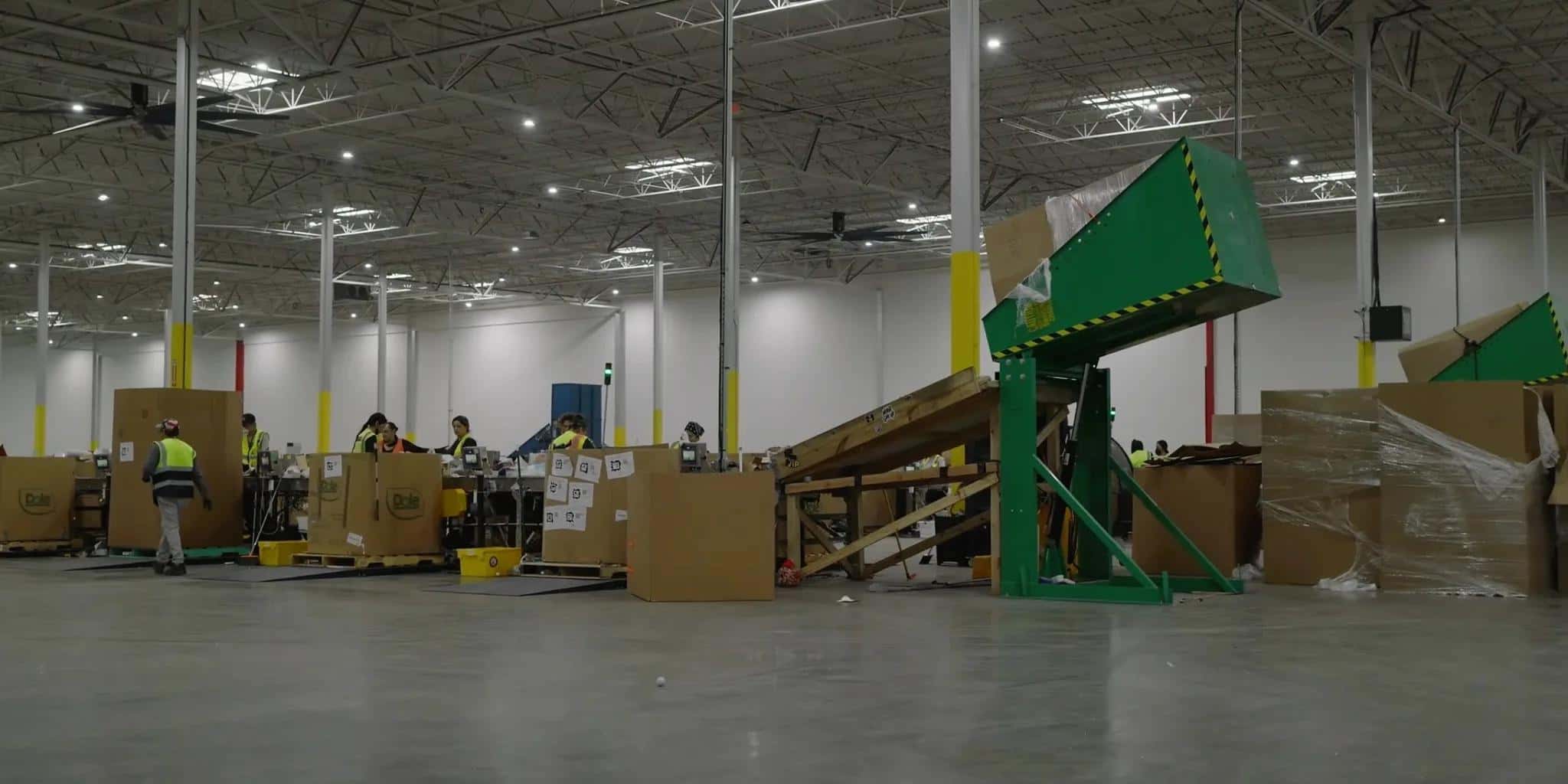
Enterprise waste programs often stall when mixed material streams lack a clear path to recovery. These items need special sorting and transport to reach the right centers.
Hard to recycle materials include items like plastic-lined paper, foam, e-waste, and cloth that standard waste haulers cannot process. These items are hard to manage because they use mixed parts or lack the right systems for collection. According to Washington University, items like automotive fluids and batteries need special collection and cannot go in standard bins. For large firms, managing these streams needs a plan that includes sorting, grouping, and moving items to special sites. Using smart logistics ensures that these items reach a safe place instead of a landfill. This process helps firms reach high diversion rates while tracking every step of the journey across all sites.
Request a difficult-material-stream assessment from CheckSammy.
Large firms must understand the hurdles that keep these items out of regular recycling bins. Learning about What makes hard-to-recycle materials difficult? is the first step to building a waste plan that works at scale. This guide looks at the challenges of complex waste and the tools that help firms reuse more. The path begins here.
Hard To Recycle Materials: What makes hard-to-recycle materials difficult?
Most hard to recycle materials share traits that break the standard waste flow. These items often fail because they are not easy to sort or process at scale. For large firms, managing these streams is a big part of meeting landfill diversion goals. When a material cannot go into a blue bin, it needs a custom plan to keep it out of the trash. Without a clear path, these goods often end up in the wrong place.
Physical and chemical barriers
Many items are hard to handle because they mix different types of materials. A paper cup with a plastic lining is a common example. Separating these layers is a tough task that takes special tools. Mixed materials like these often end up in landfills because standard plants cannot take them apart. This complexity makes it hard to recover the raw value of the paper or plastic. It also slows down the whole recycling stream.
Size also plays a role in what a facility can handle. Small plastics under three inches can fall through screens or jam machines at sorting plants. This is why many small parts are labeled as hard to recycle. In a commercial setting, these small items add up to a lot of waste that needs a better path. Using ZeroPoint sustainability logistics hubs can help firms sort these tricky streams before they cause issues. This ensures that even the smallest parts find a new use.
Economic and market limits
Recycling is a business that relies on supply and demand. If the cost to get a material ready is more than the price of the new raw item, it becomes a hard to recycle material. Low-density items like foam take up a lot of space but weigh very little. This makes them costly to move across long distances. Without a local buyer, most plants will not accept these items at all. This creates a gap in the circular economy.
Market shifts can also turn a common item into a difficult one. When global buyers stop taking certain plastics, local plants may stop sorting them. This leaves businesses with piles of waste and no place to send it. Large firms need reverse logistics solutions for material recovery to find new paths for these goods. Having a flexible plan helps firms stay on track even when markets change. It also helps them keep their costs low.
Logistics and collection hurdles
Some materials are not hard to process but are hard to collect. Things like light bulbs, batteries, and aerosol cans need special care. These items can be dangerous if they break or leak in a standard truck. Because of this, special collection areas are often needed to keep these items safe. For a company with many sites, setting up these areas everywhere is a major task. It takes time and careful planning to do it right.
E-waste and tech parts also fall into this group. These items have many parts that must be pulled apart by hand. This takes a lot of time and labor, which adds to the cost. Many firms struggle to track where these items go after they leave the site. Using a tech platform to track the chain of custody ensures that these materials reach the right plant and stay out of the landfill. It gives firms the data they need to prove their progress. This leads to better outcomes for both the firm and the earth.
How to identify difficult material streams across locations
Large firms often have trouble finding hard to recycle materials within their own sites. These items stay hidden in standard trash bins because they lack a clear path to recovery. To build a strong plan, teams must first map every waste stream across each facility. This process goes beyond a simple walk-through of the shop floor or back room. It requires a deep look at how goods come in, how people use them, and what remains when the work is done.
Most enterprise sites produce a mix of common and complex waste. While cardboard and basic plastics are easy to track, items like laminated films, multi-layer cartons, and foam often get missed. These hard-to-handle EPS materials and mixed goods require a specific eye to spot. Without a clear system to find them, these goods end up in landfills. This hurts your diversion goals and ESG data.
Audit material flow and waste types
The best way to start is by looking at what you buy. Procurement data shows exactly what enters your buildings. By matching buy logs with trash logs, you can see where the gaps are. If you buy many tons of shrink wrap but only report a small amount of plastic waste, you have a leak in your system. This gap often points to hard to recycle materials that staff simply toss into the main bin because they do not know better.
Site audits should be done at least twice a year. Walk each area to see where waste builds up. Look for things like small plastics under three inches or multi-layer goods like Tetra Pak containers which are very hard to sort. These mixed items take more work to process. But identifying them early is the first step toward better recovery. You can then group these items by type to see if a bulk pickup or mail-back plan makes sense for those specific sites.
Spot site differences and contamination
Each facility works in its own way, so waste streams are rarely the same across all sites. A warehouse may have tons of wood and metal, while a retail shop has mostly soft plastics and paper. You must map these differences to know which sites need more help. Check the trash bins for "wrong" items. If you see high levels of food or dirt in your recycling, your recovery rate will drop. This is a common issue with items like expanded polystyrene that once held food.
To keep streams clean, use clear signs and color-coded bins. If staff cannot tell a recyclable item from a piece of trash in two seconds, they will pick the trash bin. Track your data through a sustainability logistics platform to see which sites are failing. This real-time data lets you fix problems fast. You can then retrain staff at poor-performing sites to lower the risk of contamination and keep your material value high.
Five steps to inventory complex waste
Follow these steps to build a full list of your site waste and find new ways to divert it from the landfill.
- Review procurement logs. List all goods and packaging that enter your site to find potential waste sources.
- Conduct a waste sort. Sort through sample trash bins at each site to find goods that could have been saved.
- Mark hard to recycle items. Tag items like e-waste, hazardous fluids, or mixed-material goods that need special care.
- Map site-specific volumes. Record how much of each type of waste each site produces to plan for bulk pickups.
- Update your data platform. Enter your findings into a central system to track gains and set new diversion goals.
Once you have a full list, you can look for ways to consolidate these goods. Many firms find that hard to recycle materials are easier to handle when they are sent to ZeroPoint sustainability logistics hubs. These hubs can sort and route items that local haulers refuse. This move shifts your strategy from simple removal to true material recovery. This is vital for reaching a high landfill diversion rate across your whole network.
Consistent sorting makes complex commercial material streams easier to recover.
Build a sorting and aggregation system that works
Handling waste across many sites is a big task. Old ways of hauling trash do not work for the complex items firms make today. To reach green goals, you must stop just throwing things away. You need a system to sort and group waste before it leaves the site. This keeps your items clean and easy to reuse. It also helps you track every pound of waste for your reports.
Hubs for complex material streams
Many items are called hard to recycle materials because they have many layers. Some paper cups have plastic liners that are hard to remove. These mixed items need special tools that most local centers do not have. To handle these, firms can use ZeroPoint sustainability logistics hubs. These large centers act as a focus point for all your sites.
At these hubs, experts use a hands-on way to sort waste. They group items like small tech gear and e-waste into large loads. This step is key for thin films or small scraps that jam standard machines. When you group enough of the same item, it is worth more to recovery firms. This move turns a waste problem into a clean supply chain task. It also ensures that hard items do not go to a landfill.
Bin placement and staff training
A good waste plan starts right on the shop floor. You need to give your team the right tools to sort as they work. This means having the right bins in easy spots with clear signs. If a bin is hard to reach, staff may just use the one that is closest. This leads to clean loads getting mixed with trash. Once a load is mixed, it is much harder to fix.
Training your staff is the next big step. Your team should know why sorting matters for the firm. They need to know how to spot items like aerosol cans and light bulbs that need extra care. These items can be unsafe if they are not handled the right way. By teaching your team these skills, you lower the risk of mishaps. You also help ensure that your sites follow the law.
Cost savings with backhaul routes
Moving waste from many sites is often the biggest cost. Sending a truck to each site is too pricey for most brands. A smarter move is to use backhaul routes to group your waste. This method uses the trucks that already bring goods to your sites. When a truck is empty after a delivery, it can pick up your sorted waste.
This move fills the truck and cuts the need for extra trips. It turns a one-way trip into a round trip that adds value. Once the waste reaches a central point, it can be sent to a hub in one large load. This scale makes the whole process work much better. It also helps you get better data for your ESG reports. You can track the weight of waste from every site with more detail.
Aggregation can improve the economics and reliability of specialized recovery routes.
How should enterprises route hard-to-recycle materials?
Handling hard to recycle waste needs a clear plan for where every item goes. Many waste haulers claim to recycle all goods, but complex streams often lack the right tools for recovery. Companies must look beyond simple pickup and focus on the end site. A strong routing plan makes sure that items reach sites that can process them safely. Matching waste to the right plant prevents it from sitting in a yard or ending up in a landfill. Vetting every route makes sure that recovery actually happens.
Vetting next-site outlets
The first step in routing is to vet the sites that receive your waste. You should ask for proof of their ability to handle specific types of waste. For example, building waste like drywall and carpet padding needs special sites rather than landfills. A trusted partner will show you their permits and scale data to prove they follow the law. Vetting these sites helps you avoid false promises and keep your brand safe.
You should look for partners who have control over their own sorting hubs. This control lets them group goods and find the best markets for reuse. When you vet a route, you protect your brand from the risks of poor waste handling. You must also check the health of the sites you use. Check their history and their total capacity before you sign a long deal. This check makes sure your goods keep moving toward a circular goal and away from the landfill.
Checking the chain of custody
Once you find the right route, you must track the goods at every step. A complete chain of custody gives you the data you need for ESG reports and audits. This tracking starts at pickup and stays active through final use. This view is vital for items that contain hazardous parts or private data. Real-time data view allows you to see where your waste is at any time. It makes sure your waste plan is both green and low-cost for the long term.
CheckSammy uses a tech-led platform to give you 360-degree tracking from pickup to final use. This system replaces the vague guesses that many haulers provide. By using certified scales, you get exact weights for every stream. These facts are key for meeting your diversion goals and proving your success. Exact data points the way toward better speed and reveals gaps in your current work. It helps you find ways to save cash by showing the full path of your goods.
Planning for routing backups
Routing plans can change quickly due to market shifts or site closures. You need a backup plan to keep your sites running without delay. If a main plant stops taking some items, your plan should have a backup ready to go. This level of readiness prevents waste from piling up at your loading docks or store sites. A good plan uses a wide network of vetted sites and owned hubs. By having a backup route in place, you make sure that service stays active even when the market changes.
CheckSammy operates ZeroPoint sustainability logistics hubs to sort and route waste streams with ease. If one route fails, these hubs can quickly send the waste to another vetted site. This model gives you the scale and speed that large firms need to stay in line with rules. This smart step keeps your work smooth and your diversion rates high. This turns a guess into a solid plan for your whole team.
Documented handoffs connect material recovery operations with audit-ready reporting.
What documentation should buyers require?
Large firms need more than a simple receipt for waste pickup. To meet green goals, you need full proof of where your waste goes. This proof is vital when you deal with hard to recycle materials like e-waste or batteries.
These items need a clear path from your site to the final spot. Without deep records, your firm faces legal and brand risks if waste ends up in the wrong place.
Tracking the chain of custody
A true chain of custody shows every step of the waste path. It should list when the truck arrived at your site and when it left. It must also name the truck and the driver. This data helps you know your waste is in safe hands.
It also keeps you safe from rules that say you own your waste until it is fully gone. Good records show where items go after pickup. When you use ZeroPoint sustainability logistics hubs, you get first-party control over these streams.
This means you do not have to guess where your materials are or how they are handled. You should also ask for proof of the final outcome. This shows the items were recycled or recovered.
Verified weight and scale data
Many waste haulers give you a guess of how much your waste weighs. These guesses are not good enough for an audit. To get a clear view of your recovery rate, you must have data from state-certified scales.
These scales give you a real number for every pound of waste moved. This keeps your data clean and makes your ESG reports more solid. When you have real weights, you can set better goals for your sites.
You only pay for what you actually toss out, not for what a hauler thinks you tossed out. Scaling this data across many sites is hard but needed. You should look for a partner that gives you this data in less than 24 hours.
Fast data means you can fix problems as they happen. It also lets you track changes in your waste stream over time.
Record
What it proves
Buyer check
Certified scale ticket
Actual material weight
Scale source and date
Chain-of-custody log
Each handoff and location
Times, parties, and exceptions
Disposition certificate
Final recovery outcome
Destination and processing method
Buyers should also connect this evidence to the broader Sustainability and Recycling program. A shared standard makes results easier to compare across sites. The technology platform can then give operations and ESG teams one consistent view.
Digital tools for audit readiness
Paper files are hard to track and easy to lose. Large firms should use a digital tool that keeps all waste data in one spot. A digital dashboard lets you see your waste stats for every site you own.
You can pull up weight logs and recovery notes with one click. This makes your next audit much faster and less stressful. These tools should also alert you to any issues.
If a site misses a pickup, you should get a note right away. This data helps you manage your sites better. You can see patterns and find ways to cut costs across your whole firm.
It also gives your ESG team the hard facts they need for carbon reports. High-tech waste platforms help you turn waste into a data stream. This stream helps you win on green goals and keeps your firm safe from risks.
Frequently Asked Questions
Why are some materials considered hard to recycle?
Some materials are hard to recycle because they contain mixed components that are hard to separate. For example, plastic-lined paper cups and laminated cartons need complex tech to process. According to CheckSammy, these mixed items are often too costly for standard plants to handle. This lack of specialized systems means many materials end up in landfills instead of being saved for new use.
How can businesses identify hard to recycle waste in their facilities?
Businesses can find these materials by looking for items that standard haulers do not take. These often include items like Styrofoam, textiles, and small plastics under three inches. Using a sustainability logistics platform can help track waste streams in real time. This data helps teams find which materials need special care. Spotting these items early allows for better sorting and higher landfill diversion across all your sites.
How can I improve diversion rates for hard to recycle materials?
You can raise your diversion rates by moving from simple waste disposal to a programmatic material recovery model. This involves using ZeroPoint processing facilities to sort and route complex waste. Data is also key to this process. CheckSammy uses state-certified scales to measure waste instead of using guesses. This helps large companies achieve a high 94% average diversion rate through better tracking and reliable service.
How do I manage hard to recycle e-waste?
Managing e-waste needs specialized recovery paths to handle complex parts and harmful materials. Electronics like old computers and cell phones must follow strict rules for data safety. According to Washington University in St. Louis, these items should not go in standard bins. Proper programs ensure compliance with standards like NIST 800-88. This protects your data while keeping harmful materials out of the local waste stream.
Ready to assess difficult material streams?
Leaving your complex waste unsorted leads to high fees and legal risks that grow every day your firm fails to manage its material streams. You also miss the chance to save money and turn your waste into a helpful resource for your brand and your local community. Old ways of moving trash do not work for large firms that have many sites and need to track every pound.
Starting a new waste plan right now helps you reach your green targets much faster and stops the drain on your large company budget. Our team gives you a clear path to full landfill diversion through our ZeroPoint sustainability logistics hubs which sort and route all your complex materials. This shift gives you the data you need for your ESG reports and keeps your sites clean. You can focus on your core work while we handle the hard parts for you.
Ready to assess difficult material streams? Talk to a specialist to assess difficult material streams.