Waste Diversion Program for Multiple Locations
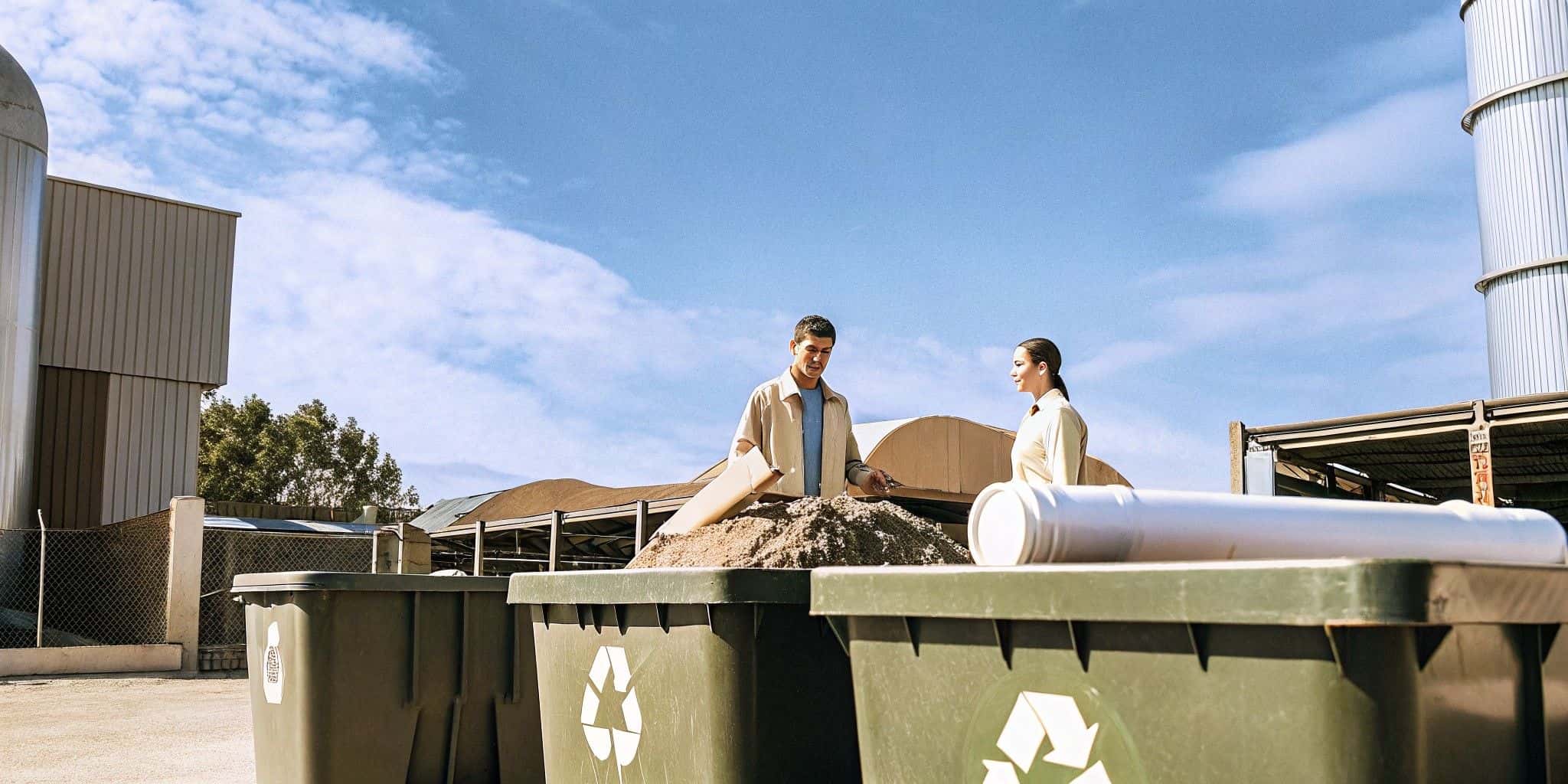
Managing waste across hundreds of sites often leads to high costs, inconsistent service, and messy data. A strong waste diversion program fixes these gaps by moving materials away from landfills through coordinated reuse, recycling, and recovery. It gives enterprise leaders the verified location-level evidence they need to improve operations and report credible sustainability results.
Request a multi-location waste diversion assessment from CheckSammy.
A **waste diversion program** is a structured system that moves items away from landfills through reuse and recycling across every large facility your firm owns. For multi-site companies, this program must work at every single location to ensure that all waste data is clean and every outcome is real. New federal rules make these plans a top priority, stating that large agencies must reach a 75 percent waste diversion rate by 2030 to stay compliant. By using the same sorting and tracking methods at every site, you can cut your trash costs and lower your carbon footprint. This process handles complex material streams while keeping your work lean, meeting your ESG goals, and proving your success to every stakeholder.
What makes a multi-location waste diversion program work?
Building a waste diversion program for many sites is not just about placing more bins. A strong program needs a clear plan that joins central control with local site needs. Most large firms have sites in many states. Each site may have different waste haulers and local rules. To succeed, you need a set of rules that everyone follows but that also fits each place. This model helps you find and stop waste before it starts.
Join central control with local site needs
A good model starts with a main plan but gives local teams some room to act. While the head office sets the goals, the daily work often changes by site. For example, a warehouse in Texas might handle more wood pallets than a retail store in New York. You should start with a comprehensive waste audit to see what each site produces. This sets a baseline for the whole group. As shown by the New York State Pollution Prevention Institute, diversion can include recycling, reuse, and donating goods. Using these methods helps cut the bad impact of waste on the earth while also saving money.
You must also think about the people at each site. If the program is too hard to use, workers will not follow it. Keep steps simple and make sure bins are easy to find. When site leaders have a say, they are more likely to help. This mix of top-down goals and bottom-up action is key for any large recycling program.
Set clear goals for diversion and costs
You need clear targets to know if your plan is a success. Many firms aim for high marks to meet new rules or green goals. For instance, federal agencies must reach a 75 percent diversion rate by the year 2030. If your firm wants to be "zero waste," you should aim for a rate between 90 and 100 percent. To reach these heights, you must look at every part of your waste stream. This includes things like food waste, paper, and items that are hard to move.
Cost is also a big part of the model. A good program should help you spend less on waste haulers. By moving more waste away from landfills, you can often cut down on pickup fees. Some items can even be sold or donated for tax breaks. This turns waste into a way to save or make money for the firm. A good program should pay for itself through these savings.
Use data to verify wins across the network
You cannot manage what you do not measure. A tech-led model uses data to show exactly where your waste goes. This is vital for reports and state laws. You find your diversion rate by taking the weight of waste moved away from landfills and dividing it by the total weight of all waste. This simple math gives you a clear score for each site. Using a platform that tracks this in real time lets you spot problems fast.
Data also provides a clear chain of custody. This proves your recycling got to the right place. For firms with many sites, this proof is a must for meeting rules. Trusted data shows your wins to leaders and leads to better choices for the future. The right tools turn waste streams into helpful facts for your whole business.
Build a reliable baseline across every location
Starting a strong waste diversion program across many sites needs a clear plan. You must know where you stand today before you can set goals for the year. This starting point helps you see which sites do well and which ones need more help. You cannot fix what you do not track, so data is key to your success. Big firms often have sites that use different haulers, which makes data hard to read.
A clear baseline shows your team where waste is high and where you can save the most. It lets you spot trends that you might miss if you only look at one site at a time. By gathering all your bills in one place, you get a full view of your firm's waste footprint. This is the first step toward a zero-waste goal.
Map your current waste streams
Many big firms start with a comprehensive waste audit to find every item they toss. You should look at everything from office paper to large bulk items. This step shows you what you can recycle and what must go to the landfill. It also helps you find items that your team could reuse or donate to others. Knowing your waste streams is vital for deep waste cuts.
A true view of your waste helps you set real targets. Without this, your team may guess at how much they throw away. This often leads to missed chances to save money and cut waste. Clear records let you see which items make up the bulk of your trash. It also proves to your board that you are taking the right steps.
Steps to build your baseline
Follow these steps to get a full view of your waste across all your sites. This sequence ensures you do not miss any key data points during your review. By following a set path, you make sure the data from one site matches the data from the next.
- Pick a set time frame, like six or twelve months, to look at your past waste data.
- Collect every bill and weight ticket from your waste haulers to track total tons.
- Walk through each site to see if bins are in the right spots and if they have clear signs.
- Add up the total weight of trash and recycling to find your current diversion rate.
- Compare results between sites to find out which places have the most room to grow.
Use data to find service gaps
Once you have your data, look for gaps in your service. Some sites might have too many pickups for the trash they produce. Other sites might not have enough recycling bins for the waste they create. Clear waste audits help you find these issues and fix them fast across your whole firm. This helps you lower costs while you help the earth.
The EPA says that federal groups must reach a 75 percent diversion rate by the year 2030. Your firm can use these same goals to stay ahead of new rules. Clear data is the best way to prove your wins to your board and your customers. It turns vague goals into a clear path for your entire team to follow. With a strong baseline, you can show real growth year after year.
Map and prioritize material streams
A strong waste diversion program starts with a clear map of your waste. You must know what moves through your bins before you can make a plan. This step helps you find the best ways to keep items out of the landfill. Mapping your waste ensures that your team focuses on the right items.
Find your waste streams
The first task is to see what items your business makes. You can do this with a comprehensive waste audit at each site. This audit shows the types and amounts of trash you have. It also finds where you might be losing money on items you could reuse. A good audit tracks every bag and bin to give you a full view.
You should look for common items like paper, plastic, and food waste. Also, look for hard items like e-waste or bulk trash. Knowing your streams helps you pick the right tools for your team. This data is the base for all your next moves. It lets you see which sites need more help with their bins.
Set goals by volume and risk
Once you have a list, you need to set your goals. Most teams start with the items that take up the most space. High-volume waste often offers the biggest wins for your budget. But you must also look at the risk of each stream. Large streams of plastic or wood can often be sent to new local outlets.
Some items have high risks because of rules or safety needs. For example, federal sites must aim for a 75 percent waste diversion rate by 2030. If you do not meet these rules, you might face fines. Use your data to decide which streams to fix first based on cost and law. Risk also includes how some items might harm the earth if not handled well.
Group items for better flow
Grouping your items helps you find local outlets for reuse. Some items are easy to sort at the source, like clean cardboard or metal. Source separation is one of the best ways to cut waste and lower costs. It keeps your streams clean and ready for new life. Clean streams are worth more and are easier to move to new users.
CheckSammy uses ZeroPoint hubs to sort and route these streams for you. These hubs can handle hard items that local haulers might miss. By grouping your waste, you make it easier to track your wins. You also get the data you need for your ESG reports. This tech gives you a clear path from the bin to the final stop.
Tracking your progress is key for long-term success. Once you map your streams, you can set a baseline for every site. This baseline shows you if your new plan is working. You can then share these wins with your leaders to get more support for your program.
Coordinate vendors without losing local accountability
Managing a nationwide waste diversion program takes a mix of broad plans and local care. When companies work with many haulers and sites, small details can slip through the cracks. Service levels can vary, and data often gets messy when it comes from many sources. To keep your goals on track, you must have a way to see what happens at every site in real-time.
Set clear service standards
The first step to better control is to set the same rules for every vendor. You need one set of standards for how items are picked up, sorted, and tracked. This ensures that a retail recycling program in one city looks just like one in another. Without these rules, your data will not be strong enough for ESG reports. Clear rules help you find gaps and fix them before they become big problems.
Use one source of truth
Data from different vendors can be hard to match up. A good recycling program must use one tool to track all waste streams. This gives you a clear view of your total impact without the need to chase down paper bills. CheckSammy uses tech to give you real-time data from every site. This level of auditable chain of custody is needed to meet strict goals. For example, federal agencies must hit a 75 percent waste diversion rate by 2030 per the Environmental Protection Agency (EPA).
Fix issues at the site level
Even with great tech, things can go wrong on the ground. You need a fast way to handle local issues like missed pickups or full bins. CheckSammy helps by vetting over 10,000 pros to ensure work gets done right the first time. In fact, our network hits a 99.2 percent first-visit completion rate for multi-site service. This keeps your sites happy and your diversion rates high. When local teams see that their work is tracked and supported, they stay more focused on your long-term goals. High success rates also help lower costs, as noted by researchers at the Rochester Institute of Technology.
Which waste diversion KPIs should each location track?
Tracking the right data is the first step toward a successful recycling program at the enterprise level. Key performance indicators (KPIs) help leaders see which sites meet goals and which need help. By using clear metrics, you can turn vague sustainability goals into real operational wins. This data also helps you find cost-saving moves across your entire footprint.
Core metrics for multi-site programs
The most basic metric is the diversion rate. You find this by dividing the weight of material kept out of landfills by the total weight of all waste generated. This number shows how well your site keeps items in the circular economy. For a waste diversion program to work, each site must use the same formula to ensure reports are fair and accurate.
A zero waste business usually tries to hit a diversion rate between 90% and 100% per NYS Pollution Prevention Institute guidelines. While this goal is high, it sets a clear bar for top-performing sites. You should also track contamination rates in your recycling streams. High contamination can lead to fees or cause whole loads to be sent to the landfill, which hurts your overall progress.
Operational and financial tracking
Beyond weight, you should track the cost per ton for each waste stream. This helps you find sites where better sorting could lower your trash bills. Many firms see a 30% to 40% cost drop when they move to a tech-led model. Regular waste audits can help you verify these costs and find hidden waste in your logistics chain.
Service completion is another vital operational KPI. CheckSammy maintains a 99.2% first-visit completion rate for multi-site services. Tracking how often pickups happen on time ensures your locations stay clean and compliant. It also helps you avoid the extra costs of missed pickups or overflowing bins, which can lead to local fines.
KPI MetricCalculation FormulaBusiness Decision Supported
Diversion Rate(Diverted Weight / Total Weight) x 100Sets site-level rankings and ESG report data.
Cost per TonTotal Stream Cost / Total TonsIdentifies high-cost sites for vendor review.
Contamination Rate(Non-Target Weight / Total Stream Weight) x 100Guides employee training and bin placement.
Service Reliability(Successful Pickups / Scheduled Pickups) x 100Adjusts pickup frequency and route planning.
Carbon ImpactWeight x Emission Factor (per stream)Measures progress toward net-zero targets.
Data for ESG and compliance
Standardized data is also needed for ESG reporting and carbon insights. In the US, the EPA is looking at landfill emission rules that might understate gases by up to 25% per EPA research. Having your own auditable data protects you from these shifts. It ensures your carbon math stays accurate even as federal rules change over time.
Accurate tracking also helps with local law compliance. Some areas now require proof of diversion for certain materials like food or e-waste. Keeping a digital chain of custody from pickup to the final stop gives you the proof you need. This tech-first approach turns waste from a chore into a source of verified business value.
Explore nationwide recycling services with real-time chain-of-custody visibility.
Turn location data into verified diversion reporting
To run a good waste diversion program, you need proof. Many firms say they are green, but they lack the hard facts to back it up. CheckSammy uses a tech-led plan to track waste from the start. We help you turn site data into clear reports that show real progress. This means you can prove your impact to your board, your team, and the public.
Our system takes data from many spots and makes it simple. We look at every pound of waste your firm makes. We then put those facts into a form that is easy to read. This helps you see the big picture without the stress of manual tracking.
Track waste with a clear chain of custody
A true chain of custody shows where every pound of waste goes. This starts when our team picks up your waste. We use state-certified scales to weigh it and track its path. This process helps us reach a 94 percent average diversion rate. By tracking each step, you can trust the data you get from all your sites. It gives you a clear look at where your waste ends up.
Our team tracks waste from the point of pick up to its final spot. This gives you full sight into your waste flow. You no longer have to guess about your impact or where things go. Instead, you have facts that show your success in meeting your goals. You can also use waste audits to find new ways to improve your flow.
Get data ready for audit and ESG reports
Federal rules now ask more from large firms. The EPA says federal agencies must hit a 75 percent diversion rate by 2030. Private firms also feel the push to share ESG results with the public. Our system gives you the facts you need for these reports. We make sure your data is ready for an audit at any time. This reduces the risk of errors and saves your team hours of work.
We take the data from all your sites and put it in one place. This makes it easy to see how your whole firm is doing at a glance. You can use these facts to show your progress to your peers. Having audit-ready data keeps your firm safe and helps you reach your long-term green goals faster.
View results on a tech-first dashboard
You can see your progress in real time on our digital platform. Our ZeroPoint hubs sort and route complex waste streams. This help from our tech makes it easy to grow your recycling program. You can see which sites do well and which ones need more help. The dashboard gives you the power to make quick changes based on real facts.
We also send proof of your work fast. We give out certificates in less than 24 hours after we finish a job. This means you have the proof you need right when you need it. You can use our dashboard to find new ways to save money and cut waste across all your sites. It is a one-stop shop for all your waste and diversion data.
How do you scale and improve the program over time?
A strong waste diversion program is not a one-time project. It is a long-term plan that grows with your business. To scale well, you should start with a small plan and build up. This helps you fix small issues before they become big costs across many sites. Using real data makes sure your program keeps getting better over time.
Launch a pilot first
Do not try to change every site at once. Start with one or two sites to run a pilot. This lets you test your bins, signs, and haulers in a real setting. During this phase, a deep waste audit is a vital tool. It shows you exactly what waste is in your bins. You can use these facts to see if your new plan works before you roll it out to the whole fleet.
A pilot also helps you set a baseline for your goals. The EPA states that federal groups must reach a 75 percent diversion rate by 2030. You can use this same mark to judge your pilot. If your first sites hit this goal, you know the plan is ready for more sites. If they do not, you can change your signs or training now while the program is still small.
Set a review schedule
Once your program is live at all sites, you need to keep a close eye on it. Set a monthly or quarterly time to review your data. Look at your waste rates and costs at each place. CheckSammy gives clear reports that show how much waste you keep out of landfills. Often, waste audits help you find sites that are falling behind. You can then give those teams more help or better tools to win.
Good oversight also means talking to your staff. Ask the people on the floor what is working. They are the ones who use the bins every day. They might find that a bin is in a bad spot or that a sign is hard to read. Fixing these small things is how you build a program that lasts. It keeps your team focused and makes sure your data stays right.
Manage waste quality
The biggest threat to a large program is contamination. This happens when the wrong items end up in a recycling bin. For example, food waste in a paper bin can make the whole load useless. To stop this, you need a plan to check for dirty waste often. When you find a problem, act fast. Update your signs or re-train your staff to make sure everyone knows the rules.
As you improve one site, share those wins with the rest of your fleet. If a new way of sorting works in one warehouse, set it up in all of them. This is how you scale success. CheckSammy uses a large network to help you move fast. We can set up the same high standards at every site you own. This makes sure your whole company reaches its green goals and saves money on waste costs.
Frequently Asked Questions
How do you achieve zero waste goals across multiple facilities?
To reach zero waste at scale, firms need to set clear goals and use one partner for all sites. Based on the New York State Pollution Prevention Institute, zero waste firms aim for 90 to 100 percent diversion. You must find all waste types and use a tech platform to track progress. Using a large network of pros helps keep service high across North America. This model ensures that every site follows the same rules to meet your green targets.
How can data tracking improve waste diversion outcomes?
Data helps you see where waste goes and how to stop it. Tracking waste at every site lets you make smart choices based on real facts. It also keeps you on track with your goals. With real-time tracking, you can find ways to save money and cut down on trash. This clear view shows if your program works. It also helps you spot areas that need more help or new tools.
What is the role of chain-of-custody in waste diversion?
Chain-of-custody proves that waste reached its final spot without being lost. It tracks waste from the first pickup to the final point of use. This is key for audits and trust. It shows that you follow the law and meet your green goals. As noted by CheckSammy, having a clear track of waste is vital for any big firm. It gives you the proof you need for lead teams and state rules.
How does waste diversion contribute to ESG reporting?
Waste programs provide the hard data needed for ESG reports. Diverting waste helps lower your carbon footprint and shows you care about the planet. This data is vital for high ESG scores. It also helps firms meet federal goals. Based on the EPA, agencies must reach a 75 percent diversion rate by 2030. Using verified data from certified scales makes your reports much stronger. This helps you show real results to your board.
Ready to build a better waste diversion program for your firm?
Each day you wait to fix your waste program is a day of lost data and missed goals that costs your firm more than just money. You can stop the waste of time and space in your bins right now by using a comprehensive waste audit that works at each site. Starting now means you can see your real impact fast and take charge of your material streams to meet your sustainability targets with clear data.
Ready to build a better program today? Contact CheckSammy to request a multi-location assessment. Bring every site into one accountable system, reduce avoidable costs, and report verified diversion outcomes with confidence.