Product Destruction Services: Enterprise Guide
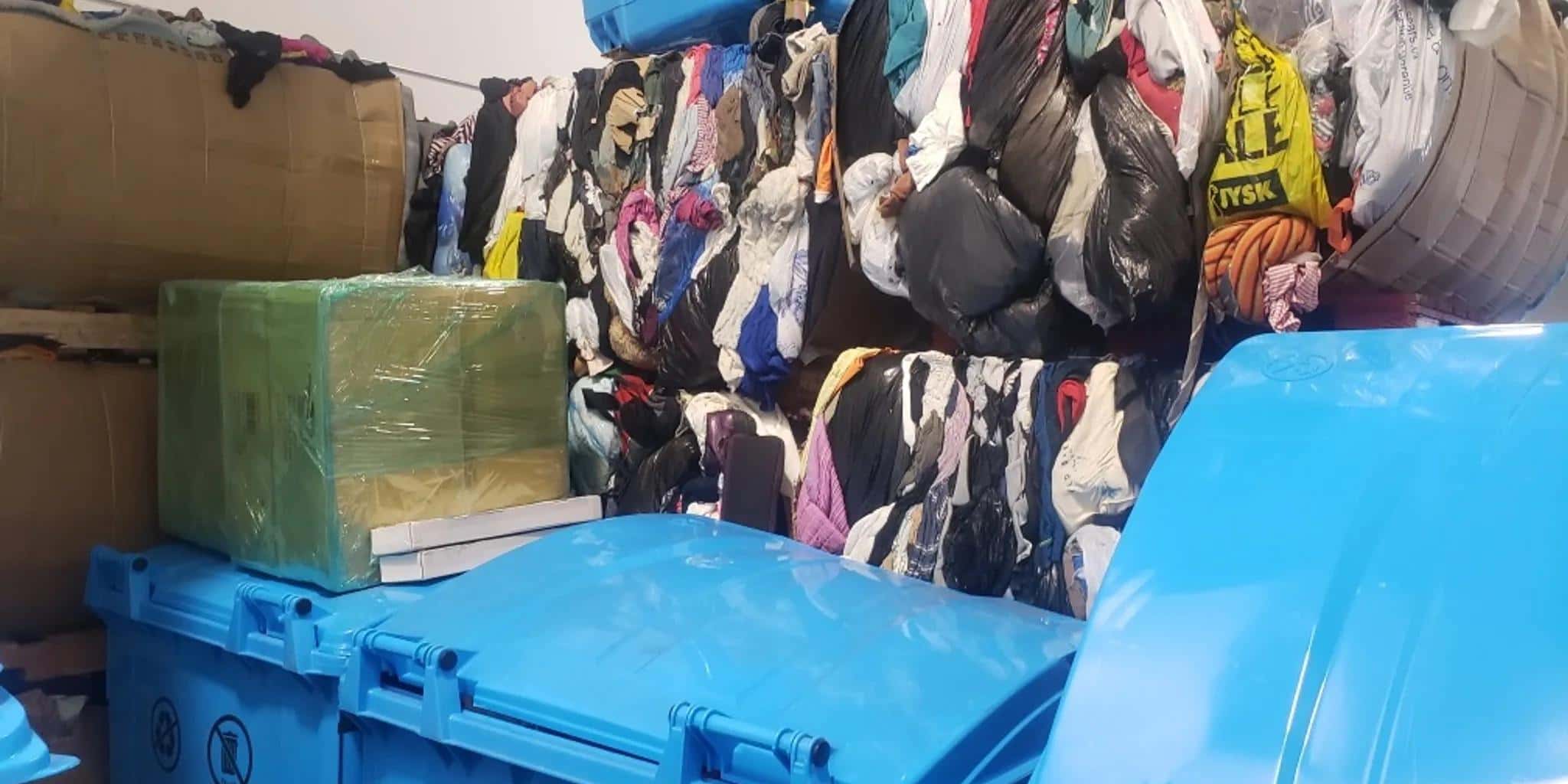
Product destruction services give enterprises a controlled way to remove recalled, obsolete, damaged, returned, or branded products from circulation while documenting custody, processing, and final disposition. A well-designed program protects brand integrity, supports compliance reviews, and routes recoverable materials toward recommerce, donation, or recycling before certified destruction is selected.
Discuss a secure product-disposition program with CheckSammy.
For compliance, sustainability, operations, procurement, and brand-protection leaders, destruction is not simply a physical event. It is one possible disposition within a governed reverse-logistics program. The enterprise challenge is to decide which products require destruction, maintain an auditable chain of custody, apply the correct processing method, and produce evidence that stakeholders can review.
Product Destruction Services: Why Product Destruction Requires Program Governance
Unstructured disposal creates gaps between a business decision and the outcome that can be demonstrated later. A load may leave a location, but the organization still needs to know what was collected. Who handled it, where it traveled, how it was processed, and which destination received the resulting material streams. Program governance connects those events into one defensible record.
Recognize the events that trigger controlled disposition
Enterprises commonly need a controlled disposition process for recalls, expired inventory, obsolete packaging, damaged merchandise, seasonal overstock, customer returns, store closures, counterfeit-risk products, and branded fixtures. Each trigger presents a different risk profile. A recall may prioritize rapid isolation and documented handling. A brand refresh may require debranding before materials can enter recovery channels. Returned electronics may require both product disposition and data sanitization.
Define trigger categories before an urgent event occurs. For each category, establish who can authorize release, whether serial- or lot-level tracking is required, which recovery paths are permitted, and what evidence must accompany final disposition. This converts a reactive request into a repeatable operating procedure.
Give every stakeholder a clear decision right
Product-disposition programs cross functional boundaries. Brand-protection teams define unauthorized resale concerns. Compliance leaders specify required records. Sustainability teams set material-recovery and diversion objectives. Operations coordinates locations and pickups. Procurement evaluates commercial terms and provider performance. Finance may review recovered value, donation documentation, or program costs.
A practical governance model names an accountable program owner and assigns approval rights by disposition path. Site teams should know what they can release, processors should know which instructions govern each load, and reviewers should know where to retrieve documentation. Clear ownership prevents ambiguous decisions at the point of collection.
Translate policy into an executable scope
A provider needs more than a request to "destroy products." An executable scope identifies product categories, estimated volumes, location count, packaging composition, and data-bearing components. It also defines hazardous or restricted characteristics, tracking granularity, service windows, approved disposition paths, and reporting requirements. It should also define how exceptions are handled when the physical condition differs from the original description.
The scope becomes the control document for scheduling, collection, processing, and reporting. It gives procurement a consistent basis for comparing proposals and gives operations a measurable standard for acceptance.
Build a Disposition Decision Framework
Destruction should be selected deliberately, not used as the default for every return or obsolete product. CheckSammy's product returns processing supports four disposition paths: recommerce, recycling, donation, and certified destruction. AI-assisted inspection and grading can help route products based on condition and program rules, while unit-level visibility supports oversight.
Apply a recovery-first hierarchy
Start by asking whether a product can remain in authorized commerce. Eligible returns may support recommerce and value recovery. Products that remain functional but cannot be resold may qualify for an approved donation path. When reuse is not appropriate, recyclable components and packaging can be separated for material recovery. Certified destruction is appropriate when brand, recall, condition, security, or program requirements rule out the other paths.
This hierarchy supports sustainability goals without weakening brand controls. It also helps leaders distinguish destruction of the product from disposition of the resulting materials. A product can be rendered unusable while separated outputs still move into verified recycling channels.
Create product profiles and routing rules
Product profiles make disposition decisions consistent across locations and events. A profile can include product name, SKU or lot, dimensions, composition, packaging, reason for disposition, resale restrictions, debranding instructions, approved processing methods, and required proof. For electronics, include device identifiers and data-destruction requirements. For mixed loads, define sorting expectations and exception thresholds.
Routing rules should specify who may override the default path and how that exception is documented. If inspection reveals that a product is eligible for recovery, the processor should not change the route without the authorization defined in the program. Likewise, material that requires destruction should not enter another channel because of an informal site-level decision.
Compare disposition paths before authorizing destruction
Disposition pathBest suited forPrimary controlTypical evidence
RecommerceEligible returns approved for authorized resaleCondition grading and channel authorizationUnit tracking and disposition record
DonationUsable products approved for charitable placementRecipient and brand-use approvalDonation receipt and impact report
RecyclingProducts or components suitable for material recoveryMaterial separation and destination verificationWeights, diversion certificate, and final-destination record
Certified destructionRecalled, restricted, compromised, or brand-sensitive productsAuthorized processing method and custody controlsCertificate of destruction and supporting documentation
The right answer may combine paths. Packaging can be separated, components can be recovered, and the brand-sensitive portion can be destroyed. A documented decision framework makes that blended outcome reviewable rather than improvised.
Control the Chain of Custody From Collection to Final Disposition
Chain of custody is the operational backbone of a defensible destruction program. CheckSammy's technology platform captures events across collection, transport, processing, and disposition, including GPS verification, timestamps, photos, handoffs, processing records, destinations, and certificates. The objective is a connected audit trail, not a folder of unrelated documents.
Document inventory before release
Start with a controlled inventory. Depending on risk and volume, this may be recorded by container, pallet, lot, SKU, or serial number. Identify the originating location, reason for disposition, count or estimated weight, packaging condition, and authorized route. Photographing staged material can help resolve later discrepancies and confirm that collection matched the approved scope.
Site instructions should explain segregation, labeling, access requirements, pickup contacts, and authorization procedures. Products scheduled for destruction should remain separate from ordinary waste and saleable inventory. This reduces the chance of an incorrect release before the provider arrives.
Capture collection, transport, and handoffs
At collection, the record should connect the load to a location, time, service professional, and authorization. GPS-verified pickup, photo documentation, timestamps, and signatures establish the starting point. During transport, route information and custody handoffs preserve continuity between the origin and processing location.
Handoff controls matter most when multiple parties or facilities participate. Define when custody changes, what each recipient must verify, and how discrepancies are escalated. The resulting event stream should enable a reviewer to follow the load without relying on personal recollection.
Verify processing and destination records
Processing records should identify the selected method and connect it to the incoming inventory. CheckSammy's owned ZeroPoint processing infrastructure supports weighing, scanning, sorting, grading, debranding, shredding, compacting, and destruction. State-certified scale measurements can support verified weight and diversion reporting where applicable.
Final-destination documentation closes the record. For recovered materials, that means evidence of the recycling or other approved destination. For destruction, it means a certificate tied to the relevant batch or tracked units. CheckSammy's platform provides document access and audit-trail visibility, helping stakeholders review the complete sequence rather than only the final certificate.
Explore a governed returns and disposition workflow.
Align Brand Protection, Compliance, and Sustainability
Enterprise leaders often approach destruction from different priorities, but the operating process should serve them together. Brand protection needs confidence that restricted products cannot return to unauthorized channels. Compliance needs complete, reviewable evidence. Sustainability needs measured outcomes and recovery pathways. A unified program avoids forcing one objective to compete with another.
Use debranding and destruction as distinct controls
Debranding removes or renders brand identifiers unusable; destruction renders the product unusable according to the approved method. Some programs require one control, while higher-risk categories may require both. Defining them separately improves the statement of work and makes verification more precise.
CheckSammy's ZeroPoint capabilities include debranding and destruction, with video verification available. Program owners should specify whether video evidence is required, which portion of the process it must show, how batches are identified, and who can access the record. Those decisions should reflect internal policy and the nature of the product.
Handle electronics and data-bearing products separately
Electronics introduce a second risk: data can remain even when a device is no longer commercially usable. CheckSammy supports NIST 800-88 compliant data sanitization and physical destruction methods for electronic assets, along with serial-number tracking, certificates of destruction, and chain-of-custody reports. Devices suitable for another path may be securely wiped; devices requiring physical destruction can be processed accordingly.
Do not assume that a general product-destruction instruction addresses data requirements. The scope should distinguish product disposition from data sanitization, define the approved NIST 800-88 method, and state whether records are required per device or by batch.
Connect destruction to measured sustainability outcomes
A sustainability program should account for what happens after a product is destroyed. Material classification, separation, scale verification, downstream routing, and final-destination records help demonstrate the result. CheckSammy's recycling services provide chain-of-custody tracking, verified weights through state-certified scales, proof of final disposition, and automated carbon impact calculations using EPA emission factors.
This approach enables teams to report actual material flows rather than treating destruction as one undifferentiated waste outcome. It also supports a more useful internal discussion: which products required destruction, which outputs were recovered, which destinations were verified, and what program changes could improve future recovery.
Design a Scalable Multi-Location Operating Model
A process that works for one warehouse may break down across hundreds of stores, offices, distribution centers, or customer-return points. Scale requires consistent controls with enough flexibility for location constraints, varying volumes, and urgent events. The goal is one governed program that local teams can execute without becoming disposition experts.
Standardize site readiness and collection instructions
Provide each location with a short operating playbook. It should cover eligible material, segregation, labeling, staging, access, collection windows, required approvals, and escalation contacts. Use standard request fields so the program owner receives the same information from every site. For recurring programs, define cadence and capacity rules. For episodic events, maintain a launch checklist that can be activated quickly.
CheckSammy supports nationwide operations through a network of more than 10,000 vetted professionals and 25,000 facilities. Centralized scheduling, real-time status visibility, photo documentation, and service records can help enterprise teams coordinate dispersed activity while maintaining consistent oversight.
Plan for exceptions before they occur
Common exceptions include volume that exceeds the estimate, unapproved material mixed into a load, or missing identifiers. Other issues include inaccessible staging areas, damaged packaging, or a mismatch between physical inventory and the release record. Define whether collection pauses, proceeds in part, or requires remote approval. Establish who receives alerts and what evidence is required to close the exception.
A disciplined exception workflow protects the integrity of the broader program. It also creates data for improvement. Repeated mismatches at one location may indicate a training issue; recurring contamination may signal that product profiles or staging instructions need revision.
Give procurement a total-program view
Procurement should evaluate more than a per-pickup or per-pound price. The operating model may include collection, transport, sorting, debranding, destruction, recycling, reporting, exception handling, and integration requirements. Compare providers on the completeness of those services, the quality of evidence, geographic coverage, processing control, and the administrative burden placed on internal teams.
A unified dashboard, document center, and reporting structure can reduce the effort required to reconcile activity across locations. CheckSammy's platform supports service status, historical analytics, certificates, reports, invoices, scheduling, and enterprise integrations. That visibility helps procurement connect commercial performance with operational and sustainability outcomes.
Measure Outcomes and Evaluate Providers
A mature program measures whether the intended controls and outcomes were achieved. Metrics should reflect the concerns of each stakeholder while remaining traceable to operational records. Avoid scorecards based only on collection completion; a completed pickup is the beginning of the disposition record, not the end.
Use a balanced program scorecard
Useful operational measures include pickup completion, processing turnaround, exception rate, inventory variance, and documentation turnaround. Brand-protection measures can include the percentage of restricted products processed through the approved method and the percentage with required verification. Sustainability measures can include verified weights, material recovery, diversion, and documented final destinations. Procurement can monitor cost by event, site, product category, and disposition path.
CheckSammy reports a 99.2% first-visit completion rate across facility services and less than 24-hour delivery for diversion certificates. For product returns processing, the documented capability includes less than 48-hour processing from receipt to disposition. Apply metrics to the relevant service scope and confirm expectations in the program agreement.
Ask providers questions that expose operational depth
- Which disposition paths can you execute, and how is each path authorized?
- What inventory granularity can you track: container, pallet, lot, SKU, or serial number?
- How do you document pickup, handoffs, processing, and final destination?
- Which processing capabilities are controlled directly, and when are downstream partners used?
- How do you manage debranding, video verification, and certificates of destruction?
- How are electronics and data-bearing assets handled under NIST 800-88?
- How are weights measured, materials classified, and diversion outcomes verified?
- How can stakeholders retrieve records and integrate data with enterprise systems?
- What is the escalation process for inventory, access, or routing exceptions?
Use a compliance and implementation checklist
- Define disposition triggers, product categories, and authorized decision owners.
- Document approved paths for recommerce, donation, recycling, and destruction.
- Specify debranding, destruction, and data-sanitization requirements separately.
- Choose tracking granularity and required inventory fields.
- Establish collection authorization, photo, signature, and handoff controls.
- Document approved processing methods and exception procedures.
- Require final-destination records and certificates tied to the correct batch or units.
- Define verified weight, diversion, recovery, and carbon-reporting requirements.
- Set stakeholder access, retention, review, and escalation responsibilities.
- Pilot the workflow, review evidence, and correct gaps before expanding.
For organizations seeking connected operational and sustainability records, CheckSammy's platform links service events, documentation, and analytics. Its recycling capabilities can also support measured recovery and verified final-disposition reporting after products are processed.
FAQs About Product Destruction Services
What are product destruction services?
Product destruction services are controlled operations that render selected products unusable and document their movement from collection through processing and final disposition. Enterprise programs may include inventory capture, secure transport, debranding, sorting, destruction, material recovery, certificates, and reporting. Destruction is often one path within a broader disposition strategy that also considers recommerce, donation, and recycling.
When should an enterprise choose certified destruction?
Certified destruction may be appropriate when products are recalled, compromised, obsolete, restricted from resale, brand-sensitive, or otherwise ineligible for approved recovery paths. The decision should follow the organization's product profile, internal policy, and authorization process. When possible, packaging and recoverable outputs can still be separated and routed to verified recycling destinations.
What documentation should a destruction program provide?
The required evidence depends on program risk and tracking needs. A complete record may include inventory details, pickup timestamps, GPS verification, photos, signatures, and custody handoffs. It may also include scale weights, processing records, video verification, a certificate of destruction, downstream destination records, and diversion or environmental-impact reporting. Records should connect to the relevant load, batch, lot, or serial number.
How can product destruction support sustainability goals?
A recovery-first framework evaluates recommerce, donation, and recycling before selecting destruction. When destruction is required, products can be processed so that recoverable material streams are separated, measured, and routed to verified destinations. State-certified scale data, material classification, final-destination records, and carbon calculations using EPA emission factors can support sustainability reporting.
A dependable program makes every disposition decision visible: what entered the process, why a route was approved, how the product was handled, and where resulting materials went. That level of control helps enterprise teams protect brand integrity, support audits, improve recovery, and operate consistently across locations.
Build a documented product destruction program with CheckSammy.