Store Closure Waste Management Checklist
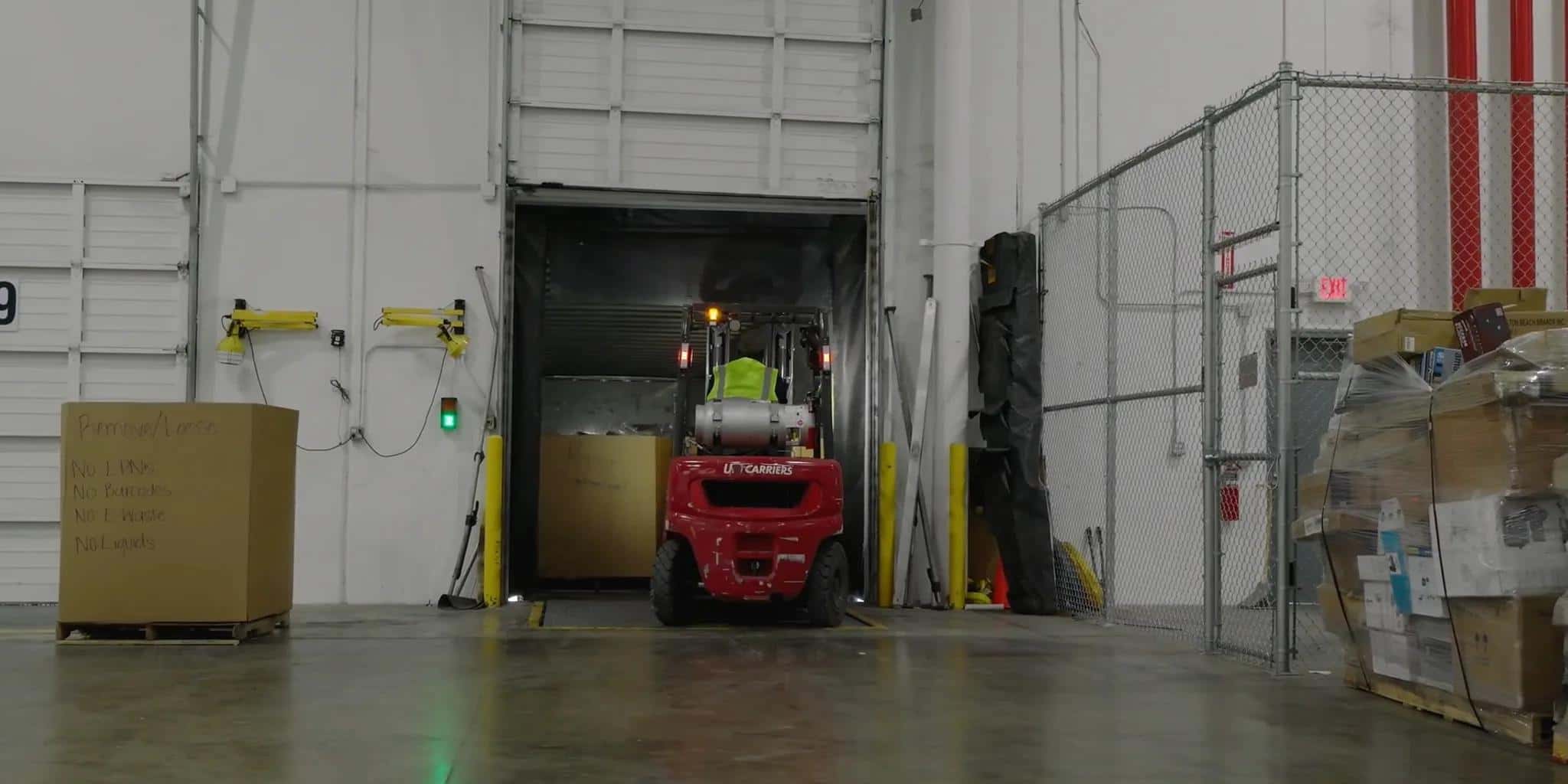
Closing a retail store creates a compressed operational challenge: fixtures, electronics, inventory, signage, and mixed materials must leave on schedule without sacrificing security or diversion goals. A repeatable store closure waste management checklist gives multi-location retail teams a safer, more measurable path from site audit to final landlord handoff.
Plan an upcoming store closure program with CheckSammy.
Most brands wait until the last week of a closure to think about waste. That delay creates avoidable costs, missed pickups, and documentation gaps. The right process starts before day one.
Build a store closure waste management plan before day one
A store closure waste management plan should inventory every material stream, assign an approved recovery path, sequence pickups around the closure schedule, and define required closeout records. Building the plan early gives operations, procurement, and sustainability teams time to resolve exceptions before they threaten the final handoff.
Find material streams early
Retail stores have many types of waste. You will find old furniture, floor displays, and complex office tech. You might also find cleaning chemicals or light bulbs that need special care. The EPA requires a written plan for handling certain hazardous items to keep the site safe. Finding these waste types early lets you plan the best way to recycle them. For example, e-waste needs its own path to stay out of the landfill. When you know what you have, you can reach higher diversion rates. You should check every backroom and storage closet for hidden items. This step prevents surprises during the final cleanout. It also ensures you follow all local and federal rules for waste.
Set clear team roles
Success depends on how well your teams work together. You need a lead person for operations, procurement, and sustainability. These people must talk often to keep the project on track. The operations lead handles the daily work at the store. The procurement lead finds the best waste partners and sets the budget. The sustainability lead tracks the data for company reports. This team-based approach helps you manage retail closure planning across many cities at once. When everyone knows their job, the work moves faster. Clear roles also help you solve problems quickly when they pop up.
Create a repeatable closure playbook
Retailers with many sites need a way to repeat their success. A closure playbook sets the standard for every store closure. It should include a schedule for waste pickups and a list of trusted vendors. Your playbook should also require clear records for every load of waste. This chain-of-custody data proves that you moved materials away from the landfill. Using a flat national pricing model in your playbook helps you plan your budget. It also lets you use real-time data to track the work from start to finish. A solid playbook makes it easy to close many stores with the same high quality. This helps you save time and money on every project you start.
Use store closure waste management to triage assets
Asset triage protects value by routing each item to its highest practical next use: reuse, return, resale, donation, recycling, or disposal. Retail teams should classify fixtures, inventory, electronics, signage, and mixed materials before crews begin moving them.

Early sorting gives each asset a defined recovery path.
Asset groups for retail sorting
Stores hold many types of items that need different care. You will find store shelves, office chairs, old computers, and signs. You should group these assets before you move them. Some goods can go back to your main hub to be used again. Other items may be sold to help cover closure costs. Hard-to-sort goods, like displays made of mixed wood and metal, need more work. These complex streams are where sustainability logistics help the most. They let you sort and move items from many stores at one time.
Better paths for asset recovery
After you group your items, you must pick the right path for each one. The best choice keeps goods out of the landfill and keeps your costs low. You might return top-tier items to your warehouse. You can give desks and chairs to local groups for a tax break. For broken gear or old signs, recycling is the best way to go. If you have any hazardous items, you must follow federal law. The Resource Conservation and Recovery Act sets rules for how to close sites safely. Following these rules shows that you take care of the site and the earth.
Recovery Path
Typical Materials
Financial Impact
Reuse / Return
Shelves, racks, and unsold goods
Lowest cost; saves on buying new gear
Resale
Working e-waste and forklifts
High impact; brings in cash for the brand
Donation
Office desks and breakroom items
Good impact; provides tax write-offs
Recycling
Metal signs, paper, and cardboard
Low cost; meets green goals for the firm
Disposal
Mixed trash and broken displays
Highest cost; should be the last choice
Data tracking for waste streams
Clear data is a big help when you close many stores at once. You need to see where every item goes in real time. This keeps your project on track and helps you follow local laws. Detailed records show that your brand is doing the right thing for the world. With good sight into your waste streams, you can spot and fix problems fast. This makes the whole work smoother for your team.
Smart store closure waste management needs good records. You must prove that you kept items out of the landfill. This proof is called chain-of-custody. It gives you the clear facts you need for your green reports. When you run commercial cleanout process, you should track every load of waste. Real-time data shows you what is happening at every store. This helps your team make fast choices and meet tight dates. Using one partner for all sites keeps your work simple and your costs flat.
How should retailers secure sensitive closure materials?
Closing a store is a big task. It needs a plan for more than just empty shelves. You must handle data, brand marks, and high-value goods with care. Safe store closure waste management stops leaks of private info. It also keeps your brand name safe. A clear path for all items is the best way to avoid risks.
Protecting data on tech tools
Most stores have many tools that hold data. These include pay systems, PCs, and office gear. They hold names, phone numbers, and pay details. You must wipe these tools before they leave the store. This prevents data theft and protects the people who shop with you.
Using a firm that knows how to handle store liquidation guidance is key. They can help you sort the tech gear. Some parts can be used again, while others must go to a scrap site. You should get a report that proves all data is gone. This record is vital for your legal files.
Securing brand assets and signs
Branded signs and fixtures are a risk if they are not handled well. If these items get into the wrong hands, they can be used for fraud. People may use old signs to look like your brand. This can lead to fake sales or other scams. You must make sure that all items with your logo are destroyed or reused in a safe way.
- Risk: Sort items by the risk they pose to your brand.
- Destruction: Use a shredding service for all signs and labels.
- Tracking: Keep a log of all branded items that leave the site.
- Verification: Check that all high-value items reach their final spot.
Reliable bulk waste removal for retail helps you manage these risks. It gives you peace of mind that your brand stays safe.
Following chain of custody and legal rules
The law has many rules for closing a shop. The EPA says you must clean the site and move waste in a safe way. This includes handling items that can hurt the air or water. If you do not follow these rules, you may face large fines. A clear record of where waste goes is vital.
A written closure plan helps you stay in line with the law. This plan lists each step of the cleaning process. It shows that you follow the rules from the RCRA. These files show that you do the right thing for the earth. They also help you with your goals for the green system.
Managing stock and returns
Some stores have goods that need extra care. This may include health items, tools, or high-end clothes. You must track these items from the shelf to their new home. This stops theft and ensures the goods are used or disposed of in the right way.
- Seal boxes of high-value goods with tape that shows if it was opened.
- Use real-time data to track where the trucks go.
- Check the stock at the start and the end of the move.
- Get a sign-off when the goods arrive at the safe site.
This care keeps your shop safe from loss. It also helps you meet green goals by cutting waste.
Sequence pickups to keep the closure on schedule
Timing is the most vital part of store closure waste plans. If you miss a pickup, you risk fines from your landlord. A late haul can also slow down the crews trying to clean the shop. You must plan the flow of items out of the building to avoid clogs near the loading dock.
Sort by item type
Start by sorting all items into groups. You will have store fixtures, old stock, and office gear. Each group needs its own path to the right site to keep the team safe. Sorting these streams early helps you reach high landfill diversion rates.
Moving items out in the wrong order can cause a big mess. It is best to clear the large, bulky goods first. This opens up space to move smaller bins later. For more help, see our guide on multi-location cleanouts to keep your project on track.
Plan for special pickups
Some items, like old lights, tech, and cleaning chemicals, cannot go in a standard bin. These goods need a special plan to stay safe and follow the law. You must move hazardous waste in a way that meets EPA closure rules for business sites. This helps you avoid legal trouble after the store shuts its doors.
Tech and e-waste also need a clear chain of custody. You should track these goods from the moment they leave your dock. Good data shows that you handled the waste in the right way. Using a single partner for all streams can make this part much easier.
- List every type of waste and asset in the store.
- Group items by where they need to go, such as a reuse site or a landfill.
- Schedule big trucks for bulk items like racks and shelves first.
- Set a clear time for tech and hazardous waste removals.
- Walk through the empty space to check for missed items.
- Get a signed paper for every load that leaves the site.
Check the final site sweep
The last step is a full check of the building. You must ensure no waste remains in the back rooms or closets. Leaving even a small amount of trash can lead to extra costs. A clean handoff to the landlord is the only way to end the project well.
Check all drains and storage areas for spills or leaks. You may need to clean these spots before you leave. Use a list to check that every task is done. A good finish protects your brand and saves money on lease fines.
What documentation proves where closure materials went?
A full record of where every item goes is needed to meet green goals. For retail asset recovery, you must track each load from the shop floor to its final spot. This proof helps teams show they met rules and followed the law. Clear records are the best way to avoid fines and reach ESG targets.
Chain of custody and weight tickets
Auditable data starts with chain-of-custody documentation that follows each load. These records prove that items went to a recycling hub instead of a landfill. Every pickup should also have a weight ticket from a certified scale to confirm the mass of the waste. This level of detail is a core part of store closure waste management for large brands.
CheckSammy uses real-time data to give firms full visibility into their projects. This helps teams work together on final reports. Having a tech-led partner ensures that every step is logged and ready for review by leaders. These tools make it simple to track progress across many sites at once.
Certificates of diversion and disposal
A final closeout package should have certificates of disposal. These files show that items like e-waste or old stock were handled safely. For risky waste, a written plan must describe how each unit was cleaned to stay in line with EPA regulatory compliance standards. These papers are vital for ESG reports and prove the firm hit its goals.
Teams can use these records to show a 94% average diversion rate. By using a single national partner, shops get the same high-quality data from every site. This makes it much easier to track carbon data and share wins with stakeholders after the doors close. Clear data builds trust and shows a real commitment to the earth.
Scale the checklist across a multi-location closure program
Multi-location retailers can scale closure execution by using one master playbook, centralized vendor coordination, and a shared reporting standard. This model gives leaders portfolio-wide visibility while allowing site teams to address local access, timing, and material-stream exceptions.

Central coordination helps closure teams execute consistently across locations.
Build a master playbook for all sites
The first step to scaling is to create a master playbook. This guide lists every task needed to clear out a store. It tells teams how to handle old shelves, e-waste, and stock. Having one set of rules helps store managers act fast. It also ensures that every site follows a path for closure logistics guide. This reduces the risk of local teams making choices that do not fit the main goal.
A good playbook includes:
- Step-by-step guides for sorting waste.
- Safety rules for moving heavy or broken items.
- Contact lists for central teams.
- Photos showing how to pack items for pickup.
Centralize vendor work and data
Large retail brands often have stores in many states. Working with dozens of local haulers creates a lot of paperwork. It is better to use one partner who has a wide network of pros. This allows for flat prices and same-day service when time is short. One partner also makes it easier to track where all waste goes. When everything moves through one platform, you get a full view of your diversion rates without chasing down many vendors.
For items that are hard to recycle, a central partner can route them to sorting hubs. These centers sort complex materials to keep them out of landfills. This level of control is key for meeting ESG goals. It also helps businesses follow strict RCRA closure requirements for units that stop taking waste. With all data in one place, teams can prove they follow the law with less work.
Track reports and handle problems
Even with a good plan, some sites will face unique issues. A store might have more bulk waste than expected. Or a loading dock might be blocked. A scaled program needs a way to handle these problems fast. Central data helps teams find these issues as they happen. If one site has a low diversion rate, managers can step in to fix it before the store shuts. This active tracking ensures the whole program hits its targets.
Clear reports are the final piece of the work. Brand leaders need to show how much waste they kept out of landfills. Reports with carbon data make this easy. Instead of guessing, you have hard facts backed by weight tickets and photos. This data-first path turns a complex closure program into a clear win for the brand.
Use this final store handoff checklist
A smooth handoff marks the end of a retail project. You must verify that all tasks are done before you return the keys. This step is vital to avoid fines and stay in line with rules. Using a clear plan helps you manage store decommissioning process across many sites at once. CheckSammy uses real data to help you track every material stream in real time.
Final site walkthrough
Walk through the entire space to find any left waste. Look for items in back rooms, closets, and docks. You must remove all waste and clean the site. The EPA states that clean closure needs the removal of all waste and the cleaning of all structures. This ensures the site is safe for the next tenant or the owner.
Check for hazardous items like cleaning soaps or old batteries. These units must be closed and monitored under the law. Your team should verify that all assets are gone and the floors are swept. A final check prevents last minute fees from the site owner. It also confirms your store closure waste management goals were met.
Documentation and compliance
Keep a full record of where all materials went. This data is key for your ESG reports and audits. You need a clear chain of custody to prove you diverted waste from the landfill. This proof is vital to meet your firm's green goals. All treatment and storage facilities must also have a written closure plan to stay legal.
Collect all weight tickets and papers that show disposal. CheckSammy gives these files in less than 24 hours to keep your project on track. Store these papers in a central hub for easy access later. Good records help you show that you handled bulk waste removal for retail sites with care. Proper data lets you close the store with full peace of mind.
Landlord and safety sign-off
Meet with the landlord or site lead for a final sign-off. Show them the clean site to verify you met all lease terms. This helps you get your deposit back and ends your link to the site. Ensure all safety risks are gone before you leave. If you leave waste behind, it can lead to high costs or legal issues. A firm handoff protects your brand and saves you money.
Frequently Asked Questions
What is included in a store closure waste management plan?
A store closure plan includes a full list of all waste types. This covers old stock, store shelves, signs, and office tools. The plan must show the path for recycling or trash for each item. It also has a plan for clearing the site to meet lease rules. Good plans focus on keeping waste out of landfills and use clear data to track every item. This helps the store meet both green goals and local laws.
How do you handle hazardous waste during retail store decommissioning?
Stores must find and sort all unsafe items like cleaning liquids, batteries, and light bulbs. According to the EPA, units that hold harmful waste must be cleaned and closed under strict rules. This process includes removing all waste and cleaning the tools or walls. Proper handling keeps the site safe and avoids legal risks. Expert partners can help manage these hard streams to follow all rules during the closure.
Is landfill diversion possible during store liquidations?
Yes, high diversion rates are possible even during fast store closings. Expert partners use a large network of sites to sort and move items away from landfills. CheckSammy reaches a 94% average diversion rate by sending items to hubs for recycling or reuse. This data-backed method helps stores meet their green goals. It also gives a clear record of all assets. This makes being green a core part of the shutting down process.
How can multi-location retailers streamline waste disposal for multiple closures?
Stores with many locations should use one national partner to manage all sites. This move makes the work simpler and ensures good service across North America. A central tool provides real-time data and tracking for every site. This lets leaders check progress and rules from one place. It also cuts costs by using a large group of trusted teams. One partner saves time spent on local vendors and prevents service gaps.
Ready to plan an upcoming store closure program?
Every day you wait to set up your waste plan is a day you risk high fees and lost time that can cost you more. You need a fast start to clear your goods and hit your goals for each site so your team can meet their dates. We help you move quickly so you can stay on track, find ways to save, and get your sites ready for what comes next. By working with us, you get a clear view of your waste and can set up sustainable store liquidations that meet all your rules. Start now to make sure your next store closure goes well, stays on budget, and keeps your brand safe from any risk of fines.
Ready to get started? Contact our team to plan an upcoming store closure program.