Sustainable Product Returns: A Guide to Value Recovery
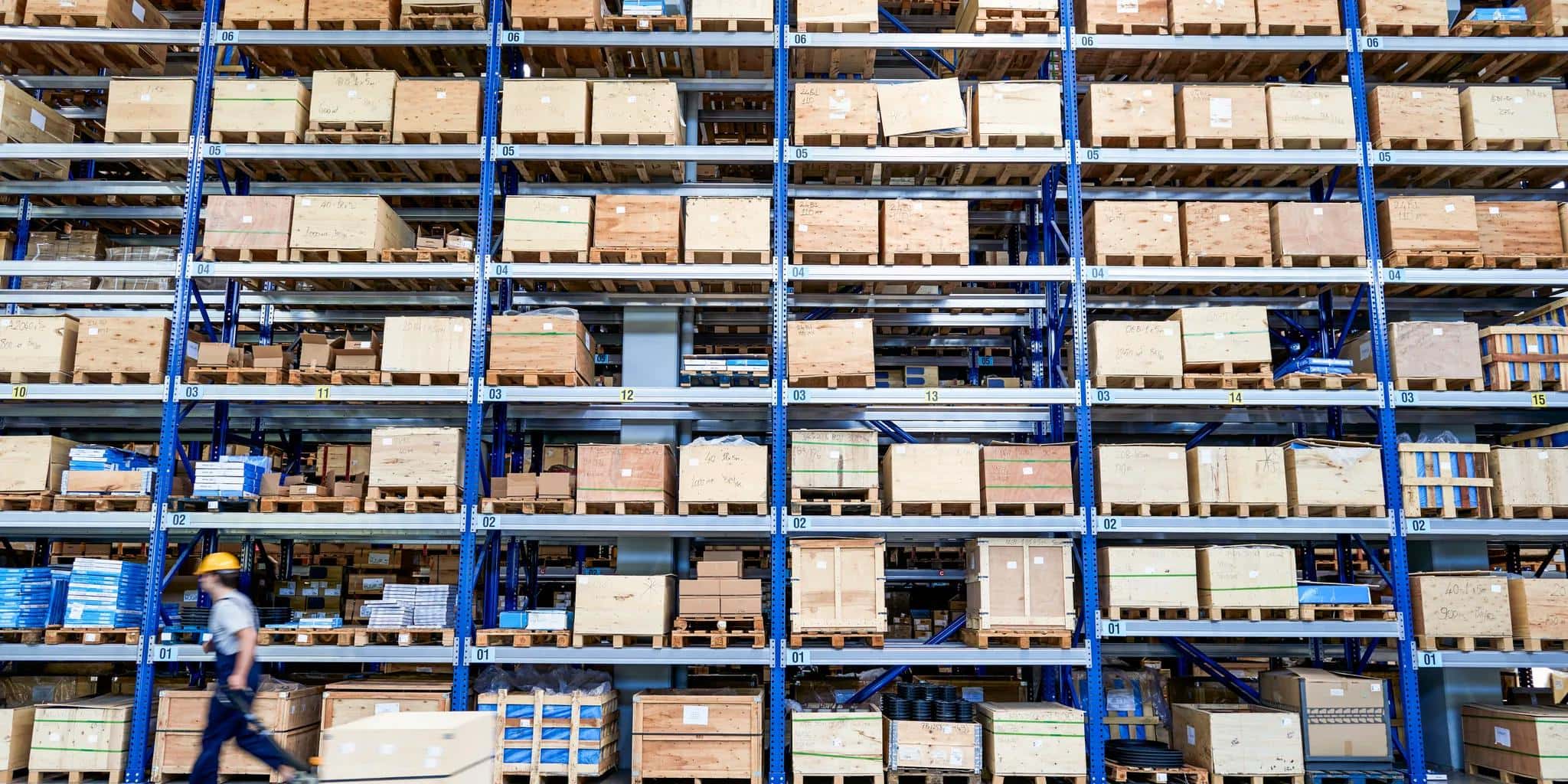
Retailers in the United States send about 9.5 billion pounds of returned goods to landfills every year. This massive waste stream creates a heavy burden while draining firm profits. Large leaders now need better ways to get value back from these items.
Sustainable product returns are part of a circular economy plan that keeps goods in use through value recovery, reuse, or recycling. Instead of sending items to a landfill, large firms use tech-based paths like recommerce, donation, or secure destruction to get value back. According to a study by Appriss Retail, returned products in the U.S. create 24 million metric tons of carbon emissions each year when not managed well. Setting up a clear path for these goods helps firms meet ESG goals while offering a full chain of custody to keep branded items safe. By picking the right path, a business can turn a hard logistics problem into a win for the firm and the planet.
Managing these items needs a close look at the costs and waste tied to modern shipping. Knowing The Scale of the Product Returns Challenge is the first step to building a sound supply chain. The path toward a better system begins with a look at how firms handle goods that come back.
The Scale of the Product Returns Challenge
The rise of e-commerce has led to a massive increase in product returns. This growth creates a huge financial and environmental burden for retail firms. In 2024, total retail returns reached $685 billion, which was about 13.2% of all sales. This trend shows no signs of slowing down as shopping habits shift toward digital platforms. Companies now need a plan for certified recycling services and recovery to manage this volume.
Rising costs and retail losses
The cost of processing returns is a major drain on business profits. Online returns more than doubled in 2020 compared to the year before. This is partly because people return online orders three to four times more often than things they buy in stores. This high rate of return creates complex needs that most retailers were not built to handle. Without a clear plan, these costs can quickly erase the gains from sales growth.
Return and claims abuse is also a growing problem for the industry. In 2024, these acts cost retailers about $103 billion. This adds more pressure on companies to find secure ways to check and process every item. Retailers must protect their brand while also making sure they handle goods in a way that is fair and sustainable. Finding the right balance between ease for the customer and profit protection is now a top goal.
Environmental impact of returns
Product returns do more than just hurt the bottom line; they also harm the planet. A 2022 study found that 9.5 billion pounds of returned goods in the US ended up in landfills. These discarded items created 24 million metric tons of CO2 emissions. This waste often comes from the fact that many firms find it cheaper to throw away returns than to sort and resell them. This culture is no longer viable for firms that want to meet green goals.
To reduce this harm, businesses are looking for ways to keep products in use for longer. Moving toward sustainable product returns means finding new paths for every item. This can include reselling, donating, or recycling materials. By choosing better paths, companies can lower their carbon footprint and reduce the amount of waste they send to landfills. This shift is a key part of building a responsible and circular supply chain.
What Are Sustainable Product Returns?
Sustainable product returns refer to a strategic method of managing the reverse flow of goods. Instead of treating items as waste, this approach focuses on keeping products and materials in circulation. It relies on a systems-focused view that is restorative by design. For large companies, sustainable product returns processing moves beyond basic logistics. It aligns with the goal of a circular economy to stop waste through better business models and system design.
The Circular Economy Framework
A circular economy aims to keep products in use for as long as possible. This model differs from the old path where goods move from use straight to a landfill. By using ZeroPoint sustainability logistics, firms can sort and route items to their best next use. This process reduces the need for new raw materials and cuts down on environmental harm. It ensures that every item has a chance for a second life through reuse, donation, or recycling.
Sustainable Materials Management
The EPA uses a framework called sustainable materials management (SMM) to guide these efforts. SMM looks at the full life cycle of a product to find ways to lower negative impacts. When companies adopt this view, returns are no longer just a cost. They become a key part of a firm's ESG goals. This shift helps leaders meet green targets while also protecting their brand value through safe and tracked paths.
Strategic Business Integration
Managing returns well takes more than just a place to store goods. It needs an intelligent reverse logistics system that gives full data visibility. This lets companies track the chain of custody for every item from the pick up until it reaches its final spot. Such a system helps firms prove their diversion rates and carbon savings. It turns the task of product returns into a clear chance for growth and green leadership.
The Four Disposition Paths for Returned Goods
Sustainable product returns processing needs a clear plan for every item that comes back. Instead of sending goods to a landfill, firms can use four main paths to manage their items. This way helps firms get value back and meet their planet goals. CheckSammy uses its network and ZeroPoint sustainability logistics to sort and route these items. By picking the right path, you can turn a loss into a win for your budget and the earth. This method ensures that every product finds its best next home.
Recommerce and donation
Recommerce is the best way to get money back from returns. This path is for reselling goods that are still in good shape. Our team checks and grades each item to find its value. With a revenue share model, firms can see about 34% value gain on their items. This keeps products in use for longer, which is a key part of a circular economy. It is a smart move for overstock or open-box items that buyers still want to buy.
Donation is another helpful path for goods that you cannot sell. It lets firms give products to groups that need them. This help supports local people and gives the firm tax papers. It is a good choice for useful items that may have small flaws or old logos. By giving items away, you avoid trash fees and help others at the same time.
Recycling and certified destruction
Recycling is for when a product cannot be used or sold. In this path, items are broken down into raw parts like plastic, metal, and glass. This process creates new resources and keeps waste out of the ground. CheckSammy gives you proof to show that the parts were handled the right way. This data is vital for firms that need to report on their green progress.
Certified destruction is vital for brand safety. Some items have private data or brand logos that must not reach the market. We use NIST 800-88 rules for data cleaning and safe ways for physical destruction. This path includes video proof to show that the work was done. It is the safest choice for recalled goods or items with private buyer info.
Maximizing value through sorting
Smart sustainable product returns processing uses all four paths at once. A single batch of returns often has items that belong in different groups. For example, look at a batch of 1,000 returned units. In one case, a firm sent 340 units to recommerce and 580 units to recycling. They also used safe destruction for 80 units that had data risks.
This mix let the firm recover $12,400 while keeping every unit out of the landfill. The sorting happens at our ZeroPoint hubs. There, we look at each item's state and brand risk. This smart plan saves money and protects the earth. It turns a tough problem into a clear, trackable process for your team.
Path
Description
Value Recovery
Best For
Documentation
Recommerce
Reselling items
High (34% avg)
Resalable goods
Sales reports
Donation
Giving to charity
Tax benefits
Useful items
Tax receipts
Recycling
Breaking down parts
Material value
Broken goods
Diversion papers
Destruction
Secure disposal
Brand safety
Sensitive items
Video & certificates
Brand Protection and Chain of Custody for Sensitive Returns
Managing returns for branded, recalled, or overstock items needs a high level of care. Companies must ensure that these goods do not reach the gray market, which can hurt brand value and lead to safety risks. By using sustainable product returns processing, businesses can protect their name while meeting green goals. A clear chain of custody ensures that every item is tracked from the point of pickup until its final use or destruction.
Secure Destruction and Debranding
For items that cannot be sold again, certified destruction is the best choice. This process physically breaks down goods to ensure they cannot be used or sold in off-brand channels. Large firms often use debranding to remove logos and tags before recycling or donation. The EPA notes that a circular economy aims to keep materials in use as long as possible. When destruction is needed, it must be done in a way that allows for material recovery to stay within a circular model.
Data Safety and ITAD
Electronic returns often hold sensitive data that needs to be wiped. CheckSammy uses NIST 800-88 standards for data sanitization to ensure all information is gone. This is a key part of secure e-waste recycling for enterprise clients. NAID-certified destruction processes provide an extra layer of trust for high-value tech. These steps help firms follow rules like GDPR and CCPA while keeping old tech out of landfills.
Verification and Tracking
Trust in a return system comes from proof. CheckSammy provides full lot and serial number tracking for every batch of goods. Video verification can also be used to show that destruction took place as planned. All of this data lives in the ZeroPoint sustainability logistics platform. Real-time tracking gives firms the auditable data they need for ESG reports and legal compliance. These tools turn a complex return task into a clear, verified success.
How Technology Enables Value Recovery at Scale
The reverse logistics market is growing very fast. Experts expect a 69% jump in the next few years as firms seek to save value from returns. Tech is the main driver of this change. It helps large brands handle thousands of items with ease. Using a smart tech platform makes the whole path clear. It turns a messy chore into a neat and helpful system. This helps firms meet their goals for sustainable product returns without high costs.
Unit-level tracking and clear views
In the past, brands often lost track of items once they were sent back. Now, new tools give you a clear view of every single unit. You get a full chain of custody from the start of the trip to the end. This means you know exactly where your goods are at all times. This data is key for brand safety and legal rules. It also helps you prove your work to groups like the EPA. The EPA defines a circular economy as one that keeps goods in use as long as possible. Good tracking is the first step to making that happen.
With real-time data, you can see how your items move through the supply chain. You can spot delays and fix them fast. This stops goods from sitting too long and losing their worth. It also makes sure that no item is lost or sent to the wrong place. This level of detail is needed for large firms. It gives leaders the data they need when they scale up their work.
Smart grading at ZeroPoint hubs
Speed is the main part of saving value from a return. Items that sit in a box for weeks quickly lose their resale price. CheckSammy uses ZeroPoint sustainability logistics to move goods fast. These hubs are built to handle complex piles of goods. They use AI to check and grade each item as soon as it arrives. This tech can tell if a product is like new or needs to be recycled. It takes the guesswork out of the task and makes it much faster.
Most items go through this check in less than 48 hours. This fast pace helps brands get goods back onto shelves quickly. It also helps find the best path for items that cannot be sold again. Some might be donated, while others are sent to be recycled. By using smart hubs, firms can reach a 94% average diversion rate. This means nearly all returned goods stay out of the landfill.
Auto carbon and ESG reporting
Today, firms must report on their green goals. Manual data entry is slow and often leads to errors. CheckSammy uses tech to auto-track all of this work. Our platform finds the carbon impact of every load and every trip. It looks at the weight of the items and the distance they travel. This gives you a clear look at your total carbon footprint. It makes it easy for teams to share their wins with the board.
All of this data flows into a verified sustainability report. These reports are ready for audits and meet high standards. You do not have to spend hours finding data from different vendors. Everything you need is in one place. This saves time and money for your team. High-tech reporting turns a cost center into a source of pride for the whole firm.
Building a Sustainable Returns Program for Your Enterprise
Most large firms face a growing wall of returned goods. In 2024, total retail returns reached $685 billion, which was over 13% of all sales. This high volume creates a big waste problem if you do not have a plan. You need a clear way to handle these items to protect your brand and the planet. A circular economy approach helps by keeping goods in use longer. This method cuts waste and can also help you gain value from items that would otherwise go to a landfill.
Audit your current goods
The first step is to look at your data. You must know how much stock is coming back and why. This is vital because people return online orders at a rate three to four times higher than in-store buys. Handling these items through sustainable product returns processing means looking past simple dumping. You should group your returns by type. This includes damaged goods, open-box items, or overstock. Knowing these details helps you pick the best path for each piece of stock.
Select the right team
You need a partner that can handle your scale. Many firms just move boxes from one place to another. A green partner does more. They should have their own hubs to process goods fast. Look for a team that offers many paths like resale, donation, or recycling. This helps you hit high diversion rates and recover value. They should also show you exactly where every item goes. This level of proof is key for your ESG reports. A tech-led partner will use data to help you find the best way to save costs and cut waste.
Set up tracking and data
Data is the heart of a good returns plan. You need real-time views of where your goods are at all times. This tracking must start the moment an item leaves the store or the customer's hands. A good intelligent reverse logistics system will show your total landfill diversion in real time. It should also give you the carbon data you need for your yearly reports. This clear view keeps your brand safe. Use these facts to grow your program across all your sites.
- Audit your returns volume. Look at how many items come back and why. Track the cost and the final stop for each piece of stock to find waste.
- Choose a green partner. Find a partner with owned hubs and verified diversion rates. They must have the tools to sort and route complex material streams.
- Set up final paths. Match your products to the best outcome. This might mean resale for new items or recycling for broken goods to keep them out of landfills.
- Build a tracking system. Use a platform that gives you real-time data on every item. Ensure it can track the chain of custody from the start to the end.
- Grow with data. Use your reports to find ways to improve. Adjust your paths to get the most value back and reach your zero-waste goals faster.
Frequently Asked Questions
How do sustainable product returns impact the environment?
As stated in a 2022 Optoro study, US stores sent about 9.5 billion pounds of returned goods to landfills. This created roughly 24 million metric tons of carbon. Sustainable returns stop this waste by sending products to resale shops or recycling centers. These paths lower the carbon footprint of the retail supply chain. They also keep useful materials out of local landfills.
What percentage of value can businesses recover from returned items?
Businesses can get back a lot of value from returned goods by using a smart plan. On average, companies using the CheckSammy product returns solution see about a 34% recovery rate on items. This happens through resale channels, repair programs, and recycling. Instead of seeing returns as a loss, brands can treat them as assets. These assets provide new revenue or tax benefits through donation.
How long does it take to process sustainable returns?
Good shipping systems allow for fast handling of returned goods. Most sustainable returns move from start to finish in less than 48 hours. This fast pace helps keep the value of items meant for resale or donation. Automated grading at ZeroPoint facilities helps sort items quickly. This prevents products from sitting in warehouses for a long time.
How do sustainable returns help with ESG reporting?
Sustainable returns give businesses clear data for their sustainability reports. These programs offer a real-time view of every returned item. Companies can track waste diversion and carbon savings through a technology platform. This data helps leaders prove they are meeting zero-waste goals. It also shows they are following green rules while being open with their partners.
What are the main operational challenges of sustainable returns?
The main hurdles of sustainable returns are complex shipping and high costs. It is often hard to check the state of products when they arrive. Many brands do not have the tools needed to sort items for recycling or donation. Fixing these problems needs a partner with the right facilities. They use smart tools to grade products and manage waste streams.
Ready to build a more profitable system for your product returns?
Every day your firm waits to handle returned goods, you lose cash on storage and let useful items go to waste in a landfill. A slow process leads to higher costs and makes it much harder to reach your green goals, so you should start recovering value now. Our team helps you find the best path for every item to ensure you stop the drain on your budget and meet all rules. By setting up a clear plan today, you ensure your brand meets all local waste rules and works for the planet at scale.
Ready to see better results? Contact our team to schedule a consultation on your product returns strategy and build a better system.