Waste Audit for Business: A Step-by-Step Guide
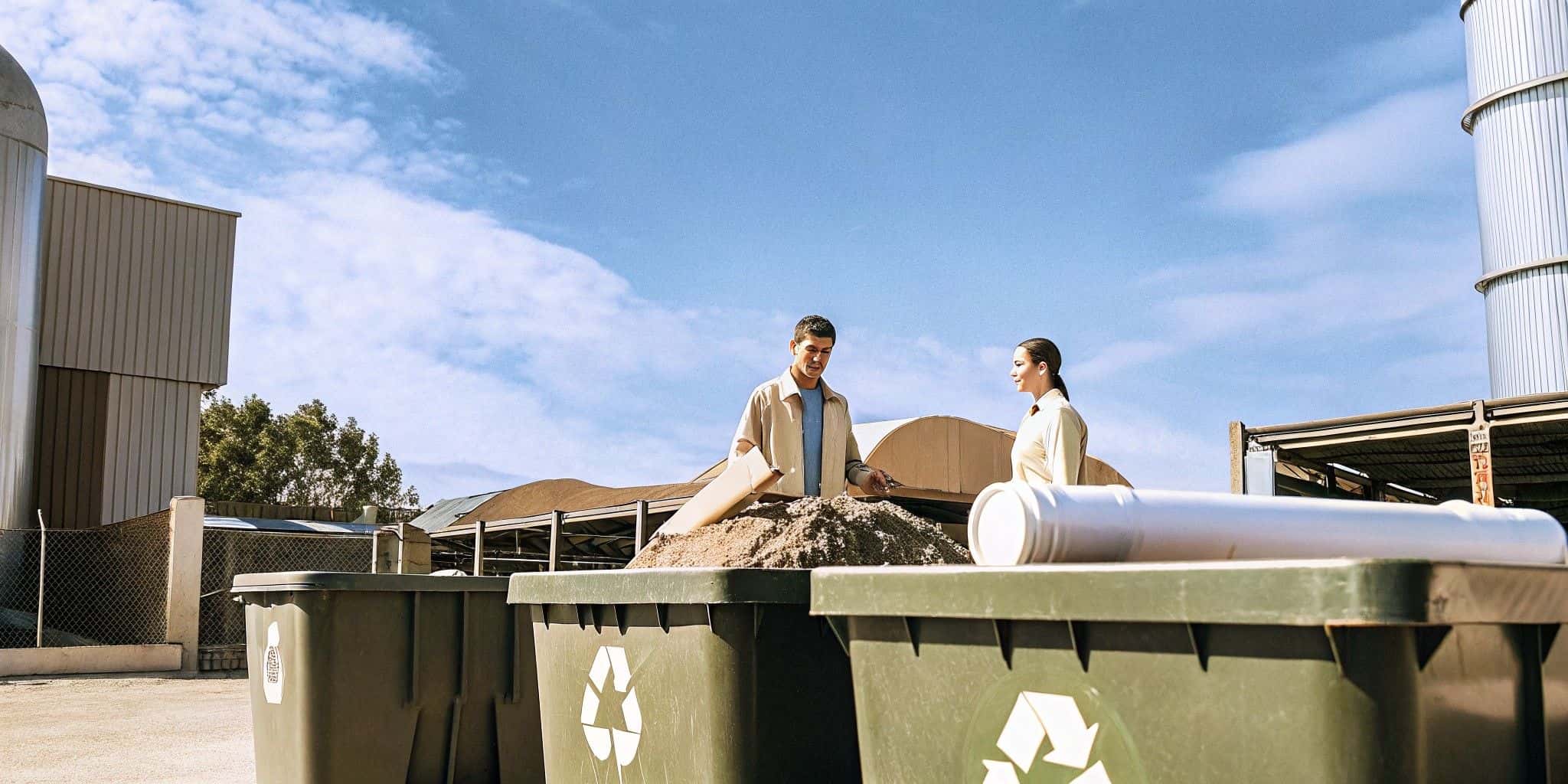
A waste audit for business is a formal process that finds out what kind of trash a facility makes and how much is there. This check helps leaders see how well their current recycling works and where they can cut more waste to save money. Based on facts from the EPA, these audits often include looking at records, site walks, and sorting through bags for data. By doing this across all your sites, you get a full view of your waste flow and find ways to fix bad habits. It gives you the proof you need to set better hauler prices. Instead of guessing what is in your bins, you have the facts to make smart moves.
What a waste audit for business should accomplish
A waste audit for business should create a defensible material baseline, reveal avoidable costs, and give teams a prioritized plan for improving diversion.
A thorough waste audit is a formal way to find out what your site throws away. It is more than just a quick look at your bins on one day. A real audit gathers facts on all the waste you make over a set time. This work helps you see how much waste you create and how to cut it. By looking at your waste streams, you can find ways to save money and help the planet.
The business baseline
The main goal of an audit is to create a baseline for your site. You cannot manage what you do not count. A good waste tracking plan gives you the facts you need to start. This baseline shows exactly what types of items move through your site each week. It often uses a mix of record checks, site walk-throughs, and bin sorts. These steps ensure your data is right and ready for use.
Once you have a baseline, you can set real goals for the future. You might want to use less plastic or recycle more cardboard. Without an audit, these goals are just guesses. An audit turns those guesses into a solid plan. It helps you see where you stand now so you can track your wins later. This data-led path is key for any company that wants to lead its field.
Cost and work gains
A waste audit helps you find hidden costs in your current plan. Many firms pay to haul away items that they could recycle or sell. For example, cardboard can make up about 30% of a company's waste. If you sort this out, you can lower your hauling fees. Some sites see a drop in waste costs after they act on what they find. This extra money goes straight back to your bottom line.
The audit also shows you how to work better. You might find that your bins are in the wrong place or that they are too small. By fixing these small issues, you can make daily tasks easier for your team. By conducting a waste audit, you get the facts to set better deals with your haulers. You can buy only the services you truly need. This keeps your costs low and your site running smooth.
Rules and ESG reports
Modern firms face many rules about how they handle waste. A proper waste audit helps you stay on the right side of local laws. It provides the proof you need for checks and audits. By keeping good records, you lower the risk of fines or legal trouble. This peace of mind is vital for any manager who runs many sites across the country.
Audits are also a huge help for ESG reports. Many leaders now use data-driven waste management to show their progress to others. This process tracks the weight of saved items vs the total waste you make. Having clear data makes your ESG reports more trusted. It shows that you are serious about your zero-waste goals. This can improve your brand image and help you win new work in a hard market.
How do you define scope and prepare the audit?
A waste audit for business starts with a clear plan. You must know what you want to find before you start sorting trash. For large firms, this means picking the right sites and the right people. A good plan helps you find ways to cut costs and meet your green goals. It also ensures that your data is clean and easy to track over time.
Build a strong team
You cannot run a waste audit alone. Start by finding a senior leader to back the project. This person helps get the team the time and money it needs. They help clear any blocks and show the firm that this work matters. A senior leader also helps share the results with the board later on. Without a leader, your plan might lose steam before it starts. A strong leader keeps the project on track and helps you reach your goals.
Next, pick people from many parts of your firm. Your team should include site leads and cleaning staff. You may also want an external waste audit partner. These experts know how to spot waste streams you might miss. They also bring the right tools to measure your results with care. A diverse team ensures that you look at waste from every angle of the business.
Set the boundaries and time frame
Setting your scope is a vital step. You must pick which areas of your site you will check. This might include the loading dock, office bins, and break rooms. For firms with many sites, you should pick a few sites as a sample. The EPA suggests that you look at your records and walk through the site first. This helps you find the areas where waste cuts will work best.
Most audits last for about one week. This window is long enough to see a normal cycle of work. You will need to track every bag of trash and recycling that leaves the site. This build-up of data is the base for your entire waste plan. It shows you the volume and types of waste your site makes each day. Setting these boundaries now prevents mix-ups once the physical sorting begins.
Prepare gear and safety tools
Safety is the key part of any waste sort. Every team member needs the right gear to stay safe. This includes thick gloves, masks, and safety vests. You may also need gowns if you are handling food waste or wet trash. Keeping your team safe ensures the work goes fast and without any harm. Always have a first aid kit nearby during the sort.
You also need the right tools to gather data. Get high-quality scales to weigh each bin of waste. You will also need labels and clear sheets to turn your notes into a full report. Your gear list should include:
- Thick gloves, masks, and safety vests
- Strong scales and tongs
- Clear bags and bins for sorting
- Data templates for each waste group
Use these tools to track each group of waste. These groups might include paper, food, and plastic. Cardboard is a key focus because it can make up 30% of business waste. You can use comprehensive waste audits to find these high-value items. Using clear sheets makes it easy to turn your data into a full report later.
How to characterize and measure material streams
A physical check is a key part of a comprehensive waste audit. While looking at bills gives you a high-level view, a hands-on audit shows the real story. This process helps you find what your firm throws away and where you can save cash. The EPA notes that these checks find the best ways to cut waste at the source. This work builds a firm start for your green goals and ESG data. It allows you to see where your staff might need more training on how to sort items.
Prepare for your waste check
Before you start the sort, you need a solid plan and the right tools. Most teams track waste and recycling for about one week to get a full view of daily work. You will need a large, clean space to spread out the waste and sort it into piles. It is vital to have good scales and clear bins for each stream you want to track. Keeping your tools ready ensures your team stays on task and your data stays clear.
You should also alert your staff so they do not throw away the waste before you can check it. Pick a time when the building is busy so you get a true sample of your waste. If you skip this, your data may not show the real mix of items. Having a team leader to guide the work will help keep things on track.
- Pick a fair sample. Collect waste for a full week to see the true mix of what your building makes each day.
- Sort items into clear groups. Separate items like cardboard, paper, and food scraps to see where you can move waste away from landfills.
- Weigh each group with care. Use exact scales to get the right weight for each stream, which is the key metric for your success.
- Find contamination. Spot items in the wrong bins that make your recycling less useful or raise your costs.
- Track where waste starts. Link waste back to specific rooms or lines to find the root of your waste problems.
- Adjust your data. Use the size of your site or your work output to compare data across all your sites.
- Keep the team safe. Make sure everyone uses the right gear, like thick gloves and eye covers, to stay safe while sorting.
Sort items into clear groups
When you sort, you should look for items with a high value for reuse. For example, cardboard can make up 30% of waste for some firms. If you sort this well, you can move it away from the landfill and save on hauling fees. High-quality data from this step helps you build a data-driven waste management plan. Grouping your waste allows you to see the true mix of your streams and find new ways to reuse items.
Sorting also helps you find odd items like e-waste or old gear that should not be in the trash. These items often need a special path to be safe. By finding them early, you keep your main streams clean and high in value. This makes it easier for your haulers to take your waste and can even lead to lower rates.
Use data to compare results
For firms with many sites, you must be able to compare results across the board. You can use EPA tools to benchmark the work of one site or a whole group of buildings. This helps you find which sites need the most help and which ones are doing great. Conducting a waste audit gives you the proof you need for your ESG reports. It also ensures your waste goes to the right place with a clear trail from start to finish.
Once you have your data, you can set new goals for each site. This allows you to track gains over time and show your wins to your board. Clear data is the best tool you have to prove your green work is real. It also helps you spot trends, like a rise in food waste during certain months. Use these facts to fine-tune your plan and keep your costs low.
Review invoices and operating data together
A waste audit for business works best when you pair field work with a long look at your paperwork. Looking at hauling bills alone will not show you the full story of your waste stream. You must match what your haulers say they do with what you see on the ground. This step helps you find billing errors and see where you can save money.
Check your hauling bills
Start by getting your last twelve months of hauling bills. You want to look for trends in weights, dates, and extra fees. Many bills include fees for "wrong waste" that may not be true. Checking these bills shows if your hauler is charging you for work they did not do.
A bill might show a pickup on a day your site was closed. You should also look at the weight data on your bills. Haulers often use guessed weights instead of real scale data. If you see the same weight on every bill, it is likely just a guess.
Real weight data is the start for a good waste reduction program. You need exact numbers to set a base for your green goals. This data helps you track how much waste you really divert from the landfill.
Compare data to your site findings
Once you have your bills, compare them to the facts from your walk-through. Your bills might show that your bins are always full. But your staff may see them at half capacity. This shows you have a service gap.
You may be paying for too many pickups. This is a common way to find quick savings during an audit. You can use these facts to get better waste service contracts that fit your real needs.
A good audit also looks at what is inside your bins. Your hauler might charge you for recycling. But if the bin is full of trash, it will go to the landfill. You will pay a higher price and miss your green goals.
A waste assessment finds areas where you can improve how you sort your items. This helps make sure you only pay for the work that helps your business. Better sorting leads to lower costs and more recycling.
Look for cost-saving gaps
Reviewing your data helps you find gaps between your contract and your service. You might find that your bin sizes are too large for the amount of waste you produce. Or you might find that you are missing out on cash back for cardboard or metal.
These rebates can turn a cost into a source of cash for your business. Small changes to your service plan can lead to big savings over a year. You can use this money to fund other green projects at your site.
Source of ProofWhat it ShowsAction to Take
Hauling BillsDates and feesFind billing errors
Service ContractAgreed ratesCheck for overcharges
Site AuditReal bin levelsAdjust pickup times
Weight TicketsExact weightCheck diversion rates
Commodity PricingMarket valueClaim material cash back
By looking at all your data in one place, you gain a clear view of your waste management. You can see which locations are doing well and which need more help. This data-driven waste management makes it easy to share your wins with leaders. It turns your waste program into a key part of your business plan.
Prioritize waste-reduction and diversion opportunities
Prioritize opportunities by comparing diversion impact, financial return, operational effort, and the time required to implement each change.
After you gather your data, the next step is to turn your findings into a clear plan. A waste audit for business shows where you can save money and improve your ESG reporting. You must look at each chance to reduce waste and decide which ones to start first. This helps you move from just looking at problems to making real changes.
Sort by impact and ease
Start by looking at which changes will have the biggest impact on your waste goals. You should find "quick wins" that cost little but show fast results. For example, cardboard can make up about 30% of commercial waste. Moving this material to a recycling stream is a high-impact move that is often easy to set up. Focus on items that have high volume and high cost to haul away.
You also need to check the cost and tools needed for each change. Some steps, like better signs on bins, are cheap. Others, like buying new gear, need more money and time. By weighing the cost against the expected savings, you can build a roadmap that makes sense for your budget. Using data-driven waste management helps you prove the value of these choices to leaders.
Set KPIs and track progress
To keep your program on track, you must set key goals. The most common metric is the diversion rate. This is the ratio of materials you kept out of the landfill compared to the total waste you made. Monitoring this rate across all your buildings lets you see which sites are doing well and which need more help. Using a central tool makes it much easier to share this data with others per the EPA.
A waste assessment also finds how your buying habits affect what you throw away. Tracking how much you buy versus how much you waste helps you find ways to stop waste before it starts. You should also keep a list of actions. This list should show who owns each task and when it must be done. Clear ownership ensures that your audit findings lead to lasting gains rather than sitting on a shelf.
Verify and report your wins
Clean reporting is vital for modern business rules. You should use certified scales to verify your diversion rates whenever you can. This data provides the baseline you need for ESG reporting and sustainability goals. It also helps you negotiate better contracts with waste haulers because you know exactly what you are producing. Reliable data turns your waste program into a source of pride and cost savings for your organization.
How do you scale improvements across multiple facilities?
Scale improvements by grouping similar sites, standardizing the audit protocol, piloting changes, and measuring each location against comparable KPIs.
Scaling waste management across many sites is a big task. What works at one retail store might not work at a regional warehouse. To grow, you must move from local fixes to a broad plan. This process begins with a pilot phase. By testing new waste rules at a few sites, you can find and fix problems before they spread. This careful start saves time and money as you move to the rest of your locations. Success comes from a mix of clear standards and the flexibility to meet local needs.
Group similar sites to set smart goals
Not all facilities produce the same material streams. A distribution center might generate tons of cardboard, while an office focuses on paper and e-waste. Grouping your sites by their profile lets you set smart targets. You can then apply the same waste rules to sites that look and act the same. This method makes a comprehensive waste audits plan much easier to handle. Instead of making hundreds of unique plans, you only need a few well-built models that cover your main site types.
Once you group your sites, you can pick the best tools for each. High-volume sites may need larger bins or more frequent pickups. Smaller sites might focus on better signage to help staff sort waste correctly. This grouping also helps you compare sites fairly. You can see which warehouse is doing the best and use their methods to help other warehouses catch up. This peer-to-peer learning is a fast way to improve your entire network without a lot of extra work.
Create a standard audit protocol
To get good data, every site must follow the same rules. A standard waste audit for business protocol is the backbone of a multi-site program. This protocol should tell site managers exactly how to count their waste and what data to record. Using a single platform to track this data makes it much easier to share news with your leaders. It also removes the guesswork that often happens when each site tries to do things their own way. When the rules are the same, the data is trustworthy.
Central tracking is the foundation of any waste reduction plan. As the EPA notes, tracking waste and recycling provides the base for a successful program. You simply cannot manage what you do not measure. A repeatable process ensures that a waste sort in Texas looks the same as one in Maine. Doing this lets you roll out changes across thousands of miles with confidence. It also helps you meet ESG goals by giving you a clear, trackable trail of where your waste goes.
Manage change and verify results
Moving to a new waste system is a major change for your staff. You must explain the "why" behind the new rules to get people on board. Site scorecards are a great way to do this. A scorecard shows a site's progress on things like diversion rates and cost savings. It turns a boring task into a goal that teams can work toward together. When staff see their site moving from a "C" grade to an "A," they feel proud of their work. This buy-in is vital for keeping the program going in the long run.
Finally, you must verify that the changes are sticking. Periodic checks and site visits ensure that sites follow the new protocols. This is not about catching people doing something wrong. It is about finding out where they need more help or better equipment. Checking also lets you update your models as site needs change. This blend of data-driven waste management and human oversight keeps your program strong. It ensures that your sustainability gains are real and clear across every location you own.
Frequently Asked Questions
How long does a typical business waste audit take?
Most waste audits for a business take about one week to finish. During this time, the team collects and stores all waste and recycling data to see what the site makes. This short time frame gives a clear view of daily habits and waste flow across the site. For large firms with many sites, doing these checks one by one helps build a full report for the whole company. This data helps you plan better waste moves.
What is a diversion rate in business waste management?
A diversion rate is a simple way to track how much waste stays out of a landfill. It is the weight or volume of materials you recycle or reuse compared to all the waste your business makes. According to the CheckSammy team, this math is key to setting a baseline for your growth. Higher rates show that your recycling plan works well. Tracking this number helps you meet big goals for a cleaner planet.
How can a waste audit help a company save money?
A waste audit finds where your company pays for services it does not need. Many businesses find they can cut their trash costs by 15% to 30% after a full review of their bins. This happens by finding materials you can recycle instead of paying to throw them away. You can also use the data to get better prices from your haulers. Knowing exactly what you throw out gives you more power in talks with waste vendors.
Why is a waste audit important for ESG reporting?
Large companies must share facts about their work for the planet through ESG reports. A waste audit provides the hard data and proof needed for these public papers. According to the EPA, measuring what you make is the first step to managing it well. Audits give you a clear record of how much you divert from the landfill. This makes it easy to show your progress to people who invest in your firm.
Ready to Discuss a Waste-Diversion Assessment?
Each week you wait, your sites likely lose money on poor waste paths and high fees. You can avoid these costs with better data from a new audit. You also risk falling behind on new green rules that might soon need more reporting from your team. These rules can change fast and catching up is hard once you are behind. Starting now gives you the time to fix these gaps before they hurt your budget or your brand. You will get the clear facts you need to cut costs and show real progress to your leaders right away. This step is the best way to gain control over your multi-site waste needs before the next busy season starts.
Ready to discuss a waste-diversion assessment? Contact CheckSammy today to set up your first audit and see how our waste audits help you reach your goals across every site.