Why Is It Important To Recycle E-Waste: Enterprise Guide
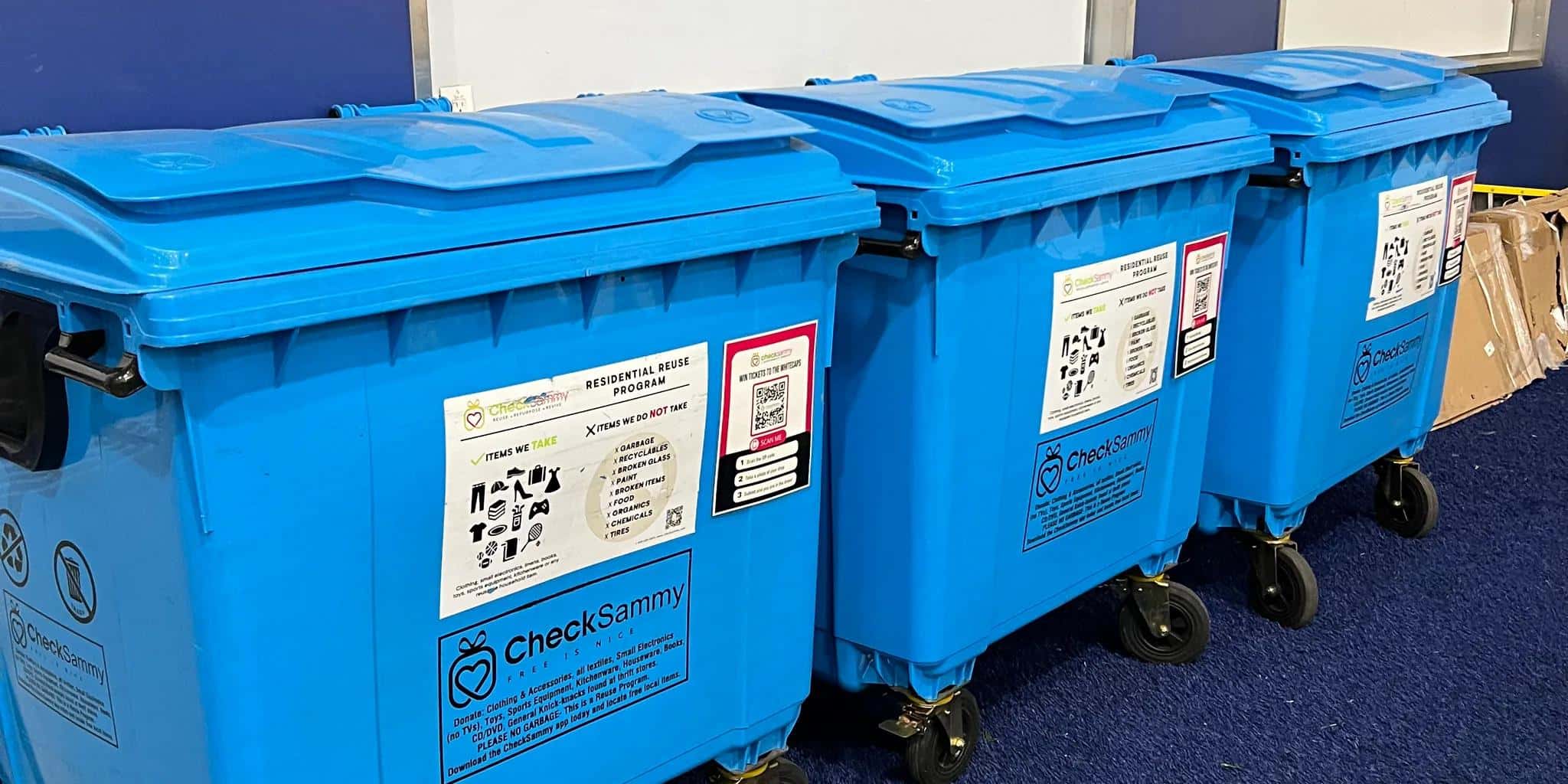
Global e-waste levels reached a record 62 million tonnes in 2022 and continue to climb each year. For enterprise leaders, this growth transforms routine hardware disposal into a critical risk management challenge requiring a structured compliance framework.
Why is it important to recycle e-waste is a question that every modern enterprise must answer with urgency. Electronic waste is now the fastest-growing solid waste stream in the world. The World Health Organization reports global e-waste reached 62 million tonnes in 2022, yet less than one-quarter was formally recycled. For enterprise organizations, recycling e-waste is essential to protect sensitive data, meet strict ESG reporting obligations, and maintain regulatory compliance. Proper disposal prevents toxic materials like lead and mercury from contaminating soil and groundwater. It also enables recovery of valuable metals including gold and silver for the circular economy. Certified recycling ensures every device maintains a verifiable chain of custody and meets NIST 800-88 standards for complete data destruction.
Request a consultation for your enterprise e-waste recycling program →
Many organizations still struggle to define what qualifies as e-waste or why it accumulates so rapidly. To develop a robust strategy, enterprise leaders must first understand the scope of the material stream and the systemic factors driving the crisis.
Why Is It Important To Recycle E-Waste: What Is E-Waste and Why Is It a Growing Problem?
E-waste encompasses any discarded electronic device with a plug, cord, or battery, including laptops, servers, phones, medical equipment, and peripherals. As technology refresh cycles accelerate, enterprises now face an urgent e-waste management challenge. The global volume reaches approximately 60 million tonnes annually, yet only a fraction reaches certified processing facilities. Understanding why is it important to recycle e-waste enables organizations to manage these assets while maintaining regulatory compliance.
The scale of the global e-waste crisis
Decommissioned technology volume has reached unprecedented levels. Data indicates that enterprise and consumer sources together generate approximately 60 million tonnes of e-waste annually worldwide. While these assets contain substantial recoverable materials, the majority bypass certified recycling channels. This gap results in significant resource loss and environmental degradation. With landfill capacity finite, the scale of the global e-waste crisis positions responsible asset management as a strategic priority for enterprise organizations. Well-designed programs transform a liability stream into a source of recoverable raw materials.
Valuable metals and health risks
E-waste represents both a concentrated source of precious metals and a toxic hazard. Circuit boards contain exponentially more gold per tonne than mined ore. For every one million smartphones recycled, organizations can recover approximately 75 pounds of gold and 35,000 pounds of copper. However, these same devices contain lead, mercury, cadmium, and other hazardous substances. When deposited in landfills, these toxins can leach into soil and groundwater. Using certified electronics recycling ensures these materials are processed through controlled channels that protect environmental and public health.
The role of the enterprise organization
For enterprise organizations, e-waste is not simply discarded material. It is a material stream requiring structured tracking, reporting, and disposition planning. Managing technology assets through their complete lifecycle helps reduce greenhouse gas emissions associated with manufacturing new equipment. Organizations now require auditable data to demonstrate ITAD compliance and secure data destruction outcomes. Most devices are nearly 100 percent recyclable when processed through certified channels. Transitioning to a circular asset management model helps organizations meet sustainability targets while maintaining operational compliance.
The Environmental Cost of Improper E-Waste Disposal
Improper disposal of electronic waste creates cascading environmental consequences. When enterprise technology assets enter landfills rather than certified recycling channels, toxic substances including lead, mercury, and cadmium can leach into soil and groundwater. Informal processing methods that use heat or chemicals to extract metals release hazardous emissions into the air. The result is a multi-dimensional environmental burden that undermines corporate sustainability commitments and creates potential regulatory liability.
Toxins in soil and water
Most electronics contain hazardous substances including lead, mercury, cadmium, and brominated flame retardants. When these devices sit in landfills, toxins can leach into surrounding soil and reach groundwater sources. This contamination can affect local ecosystems and water supplies for decades. Understanding the scale of the global e-waste crisis helps sustainability teams recognize why landfill diversion is critical for environmental stewardship.
Toxic leachate represents a significant risk for enterprise sustainability objectives. These materials can contaminate large areas when not managed within a closed-loop processing system. The World Health Organization (WHO) notes that e-waste can contain up to 1,000 different chemical substances. Many of which are harmful to human health and ecological systems when released into the environment.
Air pollution from informal processing
In some regions, informal recyclers use heat application or chemical treatment to extract metals from decommissioned equipment. This unregulated processing frequently releases lead, mercury, and other toxins into the atmosphere. These airborne emissions can travel significant distances and affect broad populations. Professional e-waste recycling and ITAD services prevent these dangerous practices by employing controlled, sealed processing systems.
The Environmental Protection Agency (EPA) states that recycling reduces the demand for virgin mining. Extracting raw materials such as gold and copper consumes substantial energy and generates greenhouse gas emissions. By recovering materials from decommissioned equipment, enterprise organizations can reduce their total carbon footprint. This approach supports long-term ESG objectives while reducing environmental damage from mining operations.
Fire risks and safety hazards
Lithium-ion batteries and devices containing power cells present a significant fire hazard. When discarded in standard waste streams, these items can ignite in collection vehicles or processing facilities. The EPA advises that battery-containing devices must be kept out of general waste to protect workers and facilities. Organizations should implement a structured e-waste management plan to mitigate these safety risks.
The Business Case: Compliance, Data Security, and ESG Reporting
For enterprise organizations, the question of why it is important to recycle e-waste extends well beyond environmental stewardship. Proper IT asset disposition (ITAD) is now integral to enterprise risk management and regulatory compliance. Professional e-waste recycling and ITAD services enable organizations to meet data security requirements, satisfy investor expectations for ESG transparency, and avoid the substantial financial penalties associated with non-compliance.
Secure Data Destruction and Risk Management
Decommissioned electronics frequently contain sensitive data that must remain protected until the moment of destruction. Proper disposal ensures data security by preventing unauthorized access to confidential corporate information. Organizations must adhere to the NIST 800-88 standard for media sanitization, which specifies three primary methods: secure wipe, physical shredding, and witnessed destruction. These procedures prevent data breaches that could trigger substantial fines under regulations including HIPAA, GDPR, and state privacy laws.
Compliance officers must verify that their ITAD partners maintain documented adherence to these security standards. Engaging a partner with SOC 2 Type II certification demonstrates that appropriate controls exist for managing client data securely. Certified recycling provides the verifiable proof that data has been destroyed and will not resurface through unauthorized channels. This creates ITAD compliance and secure data destruction assurance for every asset, from legacy hard drives to decommissioned servers.
Auditable ESG and Sustainability Reporting
Enterprise organizations now face mandatory climate and ESG reporting requirements from regulatory bodies including the SEC and the European Union under CSRD. ITAD compliance is essential for ESG reporting frameworks that require Scope 3 emissions disclosure and demonstrable progress toward sustainability targets. Rather than relying on spend-based estimates, organizations now need primary data to accurately track their carbon footprint. Certified e-waste recycling through R2 or e-Stewards certified processing facilities ensures this data is accurate and audit-ready.
Enterprise buyers increasingly prioritize supply chain responsibility and demonstrated sustainability outcomes. Sustainability leaders use verified diversion data to document progress toward circular economy objectives. Publishing these results transparently builds trust with shareholders and customers. By using measured data from every facility, an enterprise can demonstrate compliance with global reporting frameworks including GRI, CDP, SASB, and TCFD. This level of granularity signals that the organization takes its environmental commitments and legal obligations seriously.
Chain of Custody and Asset Accountability
Every technology asset must be tracked from the moment it leaves a workstation through its final disposition. Credible sustainability reports require auditable chain-of-custody data demonstrating that e-waste reached its intended processing destination. This tracking prevents illegal export of hazardous waste, which could damage brand reputation and trigger regulatory action. CheckSammy provides this data infrastructure to help enterprise organizations achieve their landfill diversion and material recovery targets.
ITAD extends beyond recycling into comprehensive risk management and asset value preservation throughout the equipment lifecycle. Maintaining a unified record for every serial number streamlines audit processes and demonstrates regulatory compliance. This system provides organizations with complete asset visibility and confidence that waste streams are handled appropriately. A well-structured ITAD program transforms e-waste from a significant liability into a documented sustainability asset.
What Happens When E-Waste Is Not Recycled Responsibly?
When enterprise organizations fail to recycle e-waste through certified channels, they expose themselves to data breaches, regulatory penalties, and environmental liability. Decommissioned devices containing hard drives or solid-state memory can leak sensitive corporate data if not properly sanitized. State and federal regulations including RCRA impose strict requirements for hazardous waste handling, with substantial fines for non-compliance. Lithium-ion batteries in discarded electronics pose fire hazards in waste streams.
Data Security and Compliance Risks
The most immediate threat of improper disposal is data exposure. Decommissioned devices contain hard drives and memory chips holding confidential business information. When these components are not wiped or physically destroyed, bad actors can recover passwords, client records, and financial data. This loss of control can trigger substantial penalties under data protection regulations. For an enterprise organization, a single unsecured drive can initiate a protracted audit and significant legal expenditure.
To maintain data security, organizations must enforce a documented chain of custody. Secure disposal protocols ensure that confidential information does not reach unauthorized parties. ITAD compliance and secure data destruction are essential tools for managing this risk. Without these safeguards, a decommissioned laptop can become a multimillion-dollar liability that erodes stakeholder trust.
Legal and Financial Penalties
Federal and state regulations strictly govern how organizations handle hazardous waste. The Resource Conservation and Recovery Act (RCRA) establishes requirements for many categories of e-waste. If an organization disposes of these materials in standard landfills, it may face significant fines from the EPA. With landfill capacity decreasing, many states have enacted electronics disposal bans to prevent soil and water contamination.
Regulatory bodies also scrutinize how organizations report their carbon footprint and waste diversion metrics. Inaccurate data can result in poor ESG ratings. These ratings may deter investors who require demonstrated environmental performance. In certain cases, organizations can be held liable for remediation costs at disposal sites where their waste was improperly handled. Certified recycling keeps operations in regulatory compliance while protecting financial performance.
Safety Hazards and Material Loss
Decommissioned electronics can create physical hazards when handled without proper protocols. Lithium-ion batteries can ignite or explode when crushed in collection vehicles or processing equipment. The EPA emphasizes that battery-containing devices must not go in standard waste bins due to fire risks. These fires can destroy equipment, disrupt operations, and endanger personnel.
Beyond safety concerns, improper disposal destroys valuable materials that could re-enter the supply chain. Electronics contain gold, silver, platinum, and copper in significant concentrations. When these materials go to landfill, the opportunity to reintroduce them into manufacturing is permanently lost. This loss drives increased mining activity, which consumes additional energy and causes further environmental degradation. Transitioning to a circular asset management model protects natural resources and reduces supply chain risk.
How Enterprise ITAD Programs Recover Value While Ensuring Compliance
Enterprise IT Asset Disposition (ITAD) programs transform decommissioned technology from a compliance liability into a value recovery opportunity. A professional ITAD plan protects sensitive data through NIST 800-88 certified destruction, maintains regulatory compliance through documented chain of custody, and recovers residual asset value through material reclamation. The most effective programs achieve material recovery rates exceeding 95% while providing the audit-ready documentation required for ESG reporting.
The Enterprise ITAD Workflow
Modern ITAD programs leverage technology to track assets throughout the disposition lifecycle, preventing data breaches and environmental harm. The process follows a structured sequence:
- Secure collection and transportation: Decommissioned assets are collected from enterprise facilities using GPS-tracked transport with chain-of-custody documentation at every handoff.
- Asset intake and inventory: Each item is logged into a tracking system with serial number registration, condition assessment, and data-bearing status verification.
- Data sanitization: Storage media undergoes NIST 800-88 compliant wiping or physical destruction. Methods include cryptographic erase, degaussing, and industrial shredding depending on the security classification.
- Material recovery and sorting: Non-data-bearing components are separated by material type and graded for recycling or refurbishment. Precious metals recovery targets circuit boards and connectors.
- Processing and commodity marketing: Sorted materials are processed into commodity-grade raw materials and directed to certified downstream recyclers and smelters.
- Certification and reporting: Certificates of destruction, diversion reports, and carbon impact calculations are generated and delivered within 24 hours for ESG integration.
Measurable Impact and Value Recovery
A well-structured ITAD program transforms waste into verifiable data. By processing 10,000 or more assets monthly, enterprise organizations can substantially reduce their waste footprint. The U.S. Environmental Protection Agency (EPA) notes that recycling one million laptops saves energy equivalent to the annual electricity consumption of 3,500 homes.
Beyond energy savings, professional ITAD recovers precious metals at concentrations far exceeding natural ore. One tonne of circuit boards can contain 800 times more gold than a tonne of mined ore. By routing materials through ZeroPoint processing facilities, organizations ensure these valuable resources remain in productive use. This data-driven approach enables leadership to present verifiable sustainability outcomes to boards, regulators, and investors.
Building an E-Waste Recycling Strategy for Your Organization
Developing an enterprise e-waste recycling strategy requires systematic assessment of current technology assets, verification of partner certifications, and implementation of serial-number-level tracking. Organizations should audit all facilities to identify waste streams, verify that recycling partners maintain R2 or e-Stewards certification and NIST 800-88 compliance. And establish tracking systems that provide chain-of-custody documentation from collection through final disposition.
Audit your e-waste streams
Begin by conducting a comprehensive audit of all facilities to identify decommissioned technology assets. This includes laptops, servers, networking equipment, peripherals, and cabling. Organizations must determine where these materials accumulate and how they currently exit the facility. Understanding why is it important to recycle e-waste begins with quantifying the volume of technology assets in operation. The scale of the global e-waste crisis demonstrates why this effort matters for every enterprise organization.
Verify partner certifications
Select recycling partners that meet established industry standards. Look for organizations with R2 (Responsible Recycling) or e-Stewards certification. Confirm that they adhere to NIST 800-88 guidelines for data sanitization. Compliance officers must ensure that ITAD compliance and secure data destruction partners meet these specifications to protect the organization from data exposure and regulatory fines.
Implement serialized asset tracking
Deploy a system that tracks every asset from its point of collection through final disposition. Effective programs use serial number tracking to maintain visibility on every piece of equipment. This chain-of-custody data is essential for demonstrating that technology assets reached their intended processing destination. Certified recyclers should provide certificates of destruction within 24 hours of processing. This documentation is critical for internal audits and external compliance reporting.
Follow these five steps to establish your program:
- Audit current streams: Inventory all technology assets and identify disposal points across every facility and region.
- Verify partner credentials: Confirm that your recycling provider holds R2 or e-Stewards certification and NIST 800-88 compliance status.
- Deploy asset tracking: Implement serial-number-level tracking from collection through final disposition with documented handoffs.
- Establish reporting workflows: Create a process to receive certificates of destruction and processing logs within 24 hours of service completion.
- Integrate with ESG frameworks: Route verified diversion data into GRI, CDP, SASB, or TCFD reporting structures to demonstrate measurable impact.
Use data for ESG reporting
Incorporate verified waste diversion data as a core component of your ESG reporting. This enables accurate Scope 3 emissions tracking and satisfies investor expectations for transparency. Enterprise buyers increasingly require documented evidence of e-waste recycling benefits for their organizations. Using EPA-aligned methodologies demonstrates measurable energy savings and material recovery outcomes, making sustainability achievements visible to all stakeholders.
Frequently Asked Questions
Why is it important to recycle e-waste?
Recycling e-waste is critical because it prevents toxic substances such as lead and mercury from contaminating soil and water supplies. It enables recovery of valuable materials including gold, silver, and copper for reuse in manufacturing. For enterprise organizations. Certified e-waste recycling also ensures compliance with data protection regulations through NIST 800-88 data destruction protocols and provides the auditable documentation required for ESG and sustainability reporting frameworks.
What happens to private data during electronic waste recycling?
During certified e-waste recycling, all data-bearing media undergoes NIST 800-88 compliant sanitization through one of three methods: cryptographic wipe, degaussing, or physical shredding. Professional ITAD providers document each destruction event with a certificate of destruction that includes the device serial number, destruction method, date, and witness verification. This creates an auditable chain of custody that demonstrates regulatory compliance and protects against data breach liability.
How does e-waste recycling support corporate ESG reporting?
E-waste recycling programs generate verified data on waste diversion rates, material recovery volumes, and carbon emissions avoided. Certified processing facilities provide weight tickets from state-certified scales, chain-of-custody documentation, and EPA-aligned carbon impact calculations. This primary data can be directly integrated into GRI, CDP, SASB, TCFD, and CSRD reporting frameworks, replacing spend-based estimates with measured sustainability outcomes.
How can businesses verify their e-waste is recycled properly?
Organizations can verify proper recycling by requiring partners to maintain R2 or e-Stewards certification, provide serial-number-level tracking, and deliver certificates of destruction within 24 hours. A professional ITAD provider offers GPS-verified pickup documentation, state-certified scale weights, and complete chain-of-custody records from collection through final disposition. CheckSammy provides this full documentation suite through its integrated technology platform, enabling enterprise customers to audit every step of the recycling process.
Ready to build a compliant enterprise e-waste recycling program?
Managing enterprise e-waste requires a partner who understands the intersection of regulatory compliance, data security, and sustainability reporting. CheckSammy delivers comprehensive e-waste recycling and ITAD services with complete chain-of-custody tracking, NIST 800-88 data destruction, and automated ESG reporting across all major frameworks. With nationwide coverage, same-day service availability, and verified 94% average diversion rates. CheckSammy provides the infrastructure enterprise organizations need to turn e-waste management from a compliance burden into a documented sustainability achievement.