Recycling Program Benchmarking: A Complete Guide
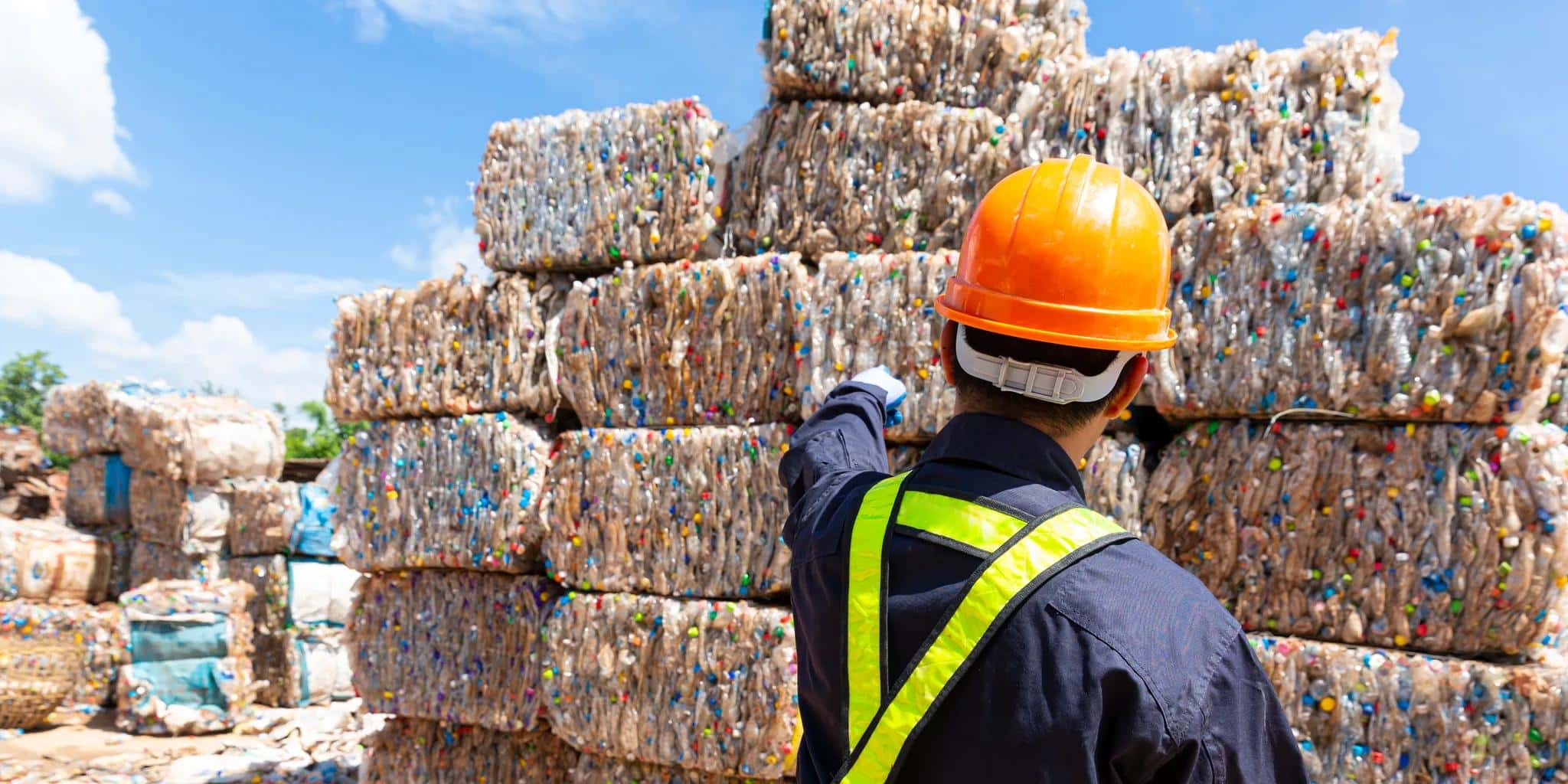
Comparing recycling performance across hundreds of commercial sites using estimated waste volumes is a guessing game. For sustainability managers, this lack of real data makes it impossible to verify compliance or meet landfill diversion goals.
A successful recycling program benchmarking enterprise strategy relies on standardized, weight-based data collected across all locations. This approach lets companies compare diversion rates, cut costs, and improve ESG scores across dozens or hundreds of facilities in one unified view.
If you manage waste for dozens or hundreds of commercial locations, comparing your metrics can feel like an impossible task. You need a clear process to build a real sustainability strategy. The path begins with understanding what benchmarking means for an enterprise.
Recycling program benchmarking is the process of measuring and comparing waste diversion performance across multiple facilities using standardized, weight-based data. For enterprises, this means tracking the same metrics at every site so you can identify top performers, find problem locations, and set realistic improvement goals.
Recycling program benchmarking enterprise leaders use standardized, verified weight data to compare performance across all facility locations. It moves beyond simple tonnage tracking to create a system where every site is measured on the same scale.
What Is Recycling Program Benchmarking for Enterprises?
Many large firms track how much waste they divert from landfills. But simple tracking only shows a small part of the picture. For large firms, a comprehensive recycling services setup must go beyond basic metrics. It needs true recycling program benchmarking enterprise leaders can use to measure real progress.
From tracking to true benchmarking
Basic waste tracking counts how many tons a firm discards or recycles. This simple count does not show if one plant is doing well compared to another. Program benchmarking uses real data to score each site. To do this, a firm needs full facts and granular visibility across every facility location.
Without a benchmark, you are looking at raw numbers with no context. A site might recycle ten tons of paper, but you do not know if that is a good result for its size. Benchmarking gives a clear standard. It lets you measure each site against its own past data and against other sites like it. CheckSammy's data shows that companies using verified weight data achieve a 94% average diversion rate across their networks.
Unified data for multi-site operations
Managing dozens of sites makes getting good data hard. Each location often has its own haulers and waste systems. This mix creates data silos. To solve this, firms must bring all metrics together. Multi-location companies need unified data reporting that aggregates waste stream performance across their entire network.
Once you have unified reports, you can dive deeper. Good software shows site-specific performance insights and aggregate portfolio views. Managers can spot top-performing sites and find which facilities lag behind. This clear data lets you share best practices across the whole company.
Measuring impact beyond weight
To build a useful benchmark program, you must look beyond total weight. Measuring tons is just the start. Different materials have very different effects on our world. Diverting a ton of plastic saves much more energy than diverting a ton of glass.
The University of Florida Hinkley Center shows that effective programs must measure environmental impacts across multiple factors. These include global warming potential, energy use, and water use. This goes far beyond weight diverted alone. By tracking these details, you see the true lifecycle impact of your waste and make better choices.
The most effective recycling program benchmarking enterprise leaders track specific, quantifiable metrics that go beyond simple volume estimates. These metrics form the foundation for comparing performance across facilities and reporting to stakeholders.
Key metrics for enterprise recycling benchmarking include verified diversion rate, contamination rate, cost per ton, material recovery percentages, and ESG-aligned impact measures. Verified weight data from certified scales provides the accuracy needed for reliable comparisons.
Key Metrics for Measuring Recycling Performance
Volume versus verified weight
Metric
Estimated Volume
Verified Weight
Data source
Bin size estimates
State-certified scales
Accuracy
Low
High
Auditability
Not audit-ready
Fully auditable
ESG compliance
Fails verification
Meets SEC/GRI/SASB standards
Diversion tracking
Estimated
Verified at 94% average
Cost management
Flat fee based on guess
Pay per actual weight
Why verified weight wins
Many sites guess how much they recycle by looking at bin sizes. But this method is not accurate. A commercial bin that is half full of cardboard weighs much less than one filled with food waste. Relying on estimates fails to show real progress. A good waste plan relies on verified weight from state-certified scales.
Using real weight helps you find the true mass of your waste streams. Volume changes based on packing density and moisture content. Wet or loose items skew your metrics. By tracking exact pounds, your firm can make smart choices and spot billing errors from haulers. CheckSammy uses this approach to achieve a 94% average diversion rate across customer sites.
Material categories matter
A deep benchmarking plan splits items into clear groups. You cannot lump all waste together. You must track different streams like paper, plastic, metal, and organics separately. Each material type has a different path after pickup and a different environmental impact.
Sorting your data this way lets you see which sites perform well on each stream. High contamination rates show that staff need more training. Knowing what you throw away helps you find better pathways for material reuse. It also shows which waste streams cost the most to handle for your data-driven benchmarking tools.
Aligning with global frameworks
Enterprise benchmarking is not just for internal use. Large firms must share this data with the public through ESG reports. Your data should align with GRI, CDP, SASB, and SEC reporting standards. Standard reporting helps you show progress to investors and makes your ESG reports trusted. Using these frameworks also helps in improving ESG scores over time.
Diversion rate measures the percentage of waste sent away from landfills. While this is a useful starting point, relying on it alone creates blind spots that can hide the true environmental impact of your waste program.
Diversion rate alone is not enough for enterprise recycling benchmarking because it ignores key factors like carbon impact, energy savings, contamination rates, and lifecycle effects. Weight-focused metrics can hide poor environmental outcomes behind favorable numbers.
Why Diversion Rate Alone Is Not Enough
The limits of diverted weight
Focusing only on weight can lead to poor choices. A firm might divert tons of heavy concrete while ignoring lighter but far more harmful chemical waste. This shows why effective programs need measuring across multiple impact areas. Weight does not show how much energy a process saves or how much water it keeps clean.
Relying solely on tons diverted creates several blind spots in enterprise reports:
- Heavy items like glass and concrete fill report totals but may have lower carbon savings than lighter streams.
- Light streams like plastic wrap or e-waste need more work to divert but offer huge carbon savings.
- Dirty or mixed waste can ruin whole batches, meaning reported diverted weight never really gets recycled.
For nuanced sustainability metrics, managers need to look beyond the single diversion number.
Scientific lifecycle models
To fix these gaps, experts use established models to study waste choices. Tools like WARM, MSW-DST, and SWOLF help firms trace how each choice affects net emissions and energy use. By modeling these paths, a company can find which streams yield the best environmental returns. This gives a clearer picture of progress than a simple recycling rate.
Broad environmental impact categories
A deep review must track several key impact areas across the entire life of a material. This includes the energy used during collection and the emissions saved by recycling. True benchmarking should look at global warming potential, energy use, and water use. It should also include human toxicity and land use factors.
These metrics help firms avoid common mistakes. Some recycling methods use huge amounts of water or create high local emissions. Without checking these areas, a firm might think its program is fully green when it causes harm elsewhere. Tracking these broad measures helps teams make better choices.
Running a recycling program benchmarking enterprise plan across a large footprint requires a structured approach. When you manage dozens or hundreds of sites, each location often has different waste streams and haulers. A clear process makes comparison possible.
To benchmark recycling performance across multiple facilities, follow five steps: conduct baseline audits, standardize reporting protocols. Define material categories clearly, consolidate data on one platform, and partner with expert providers. This process creates comparable, auditable metrics across your whole network.
How to Benchmark Recycling Performance Across Facilities
Challenges of scale
Comparing data from different sites often fails because local rules and systems vary. Getting an enterprise waste audit is the best way to find your starting point. It shows what each location discards. Without this baseline, you cannot set real goals or track progress over time.
Benefits of vendor consolidation
Working with many haulers creates paperwork and leads to messy data. For multi-location enterprises, consolidating vendors into a single technology platform simplifies data collection. It cuts admin work and makes your data more accurate. One clean dashboard gives you the power to manage your whole network with ease.
Steps for program benchmarking
To successfully track performance across your footprint, follow these steps:
- Conduct baseline audits. Measure what your sites discard with a baseline review that finds what materials are in your bins. This gives a clear starting point for each site.
- Standardize your protocols. Set the same rules for all facility types nationwide. This lets you compare different sites directly and removes confusion for local managers.
- Define materials clearly. Use standardized material categories to avoid errors in your sustainability reports. When every site defines waste the same way, your metrics stay clean.
- Consolidate your data. Using a single platform simplifies data collection and cuts down on admin work. Accurate weight data from certified scales means you do not have to guess.
- Use expert partners. Partnering with vetted professionals who keep your sites on track across diverse geographies is key. A marketplace of 10,000+ professionals and 25,000+ facilities provides reliable support everywhere.
Setting up a strong recycling program benchmarking enterprise leaders often face a complex web of hurdles across their sites. Each location has its own rules and systems. This makes it hard to compare sites or see the whole picture.
Common challenges in enterprise recycling benchmarking include inconsistent data formats across facilities. Different material category definitions, varied local hauler reporting standards, and the lack of a centralized data system. These issues make direct facility comparisons unreliable without a unified platform.
Common Challenges in Enterprise Recycling Benchmarking
Unmatched data and local setups
Large firms often struggle with huge gaps in how local haulers track and report waste streams. A plant in one city might get precise weight tickets, while another site in another state gets only rough volume estimates. Some local plants can process complex materials, but others only accept basic paper and cardboard.
This patchwork of systems makes it hard to set up a solid baseline. Without clean and matching data from every site, your total metrics will remain flawed. You cannot compare a plant in Texas to one in New York if they do not use the same terms or tools. An enterprise waste audit helps you find these gaps and create a consistent starting point.
Vague material categories and terms
Another hurdle is the lack of common terms for waste types. What one plant calls mixed paper might be labeled as cardboard or landfill waste at another. This leads to massive errors when you sum up your data. True performance measurement requires clear definitions for material categories to avoid errors in reporting.
Without these rules, sites count pallets as wood recycling in one spot, but as bulk waste in another. Clear terms make sure you compare apples to apples across your whole fleet. This helps teams build trust in their ESG reports.
How a waste audit sets the baseline
To overcome these gaps, you must first know what you throw away. Starting with a thorough enterprise waste audit is the best first step. These hands-on checks show the exact weight and type of waste each building produces. The audit finds where recyclable materials end up in the wrong bins. This clear view lets you spot quick wins, fix sorting errors, and set real goals.
How CheckSammy Supports Enterprise Recycling Benchmarking
CheckSammy supports enterprise recycling benchmarking by centralizing multi-site data onto a single technology platform. With real-time tracking and verified scale weights, CheckSammy helps firms measure landfill diversion. This system makes it easy to meet rules and hit ESG goals across all North American sites.
Setting up a recycling program benchmarking enterprise system needs exact waste data from every site. CheckSammy makes this simple by putting all your waste streams into one clear dashboard. Our custom technology platform tracks your green metrics in real time. This means you no longer have to deal with mismatched hauler reports or messy spreadsheets.
By putting hard facts in place of guesswork, firms can easily track progress and prove their green wins.
Centralized Data for Multi-Site Logistics
Most large firms work with many local waste vendors. This setup creates data gaps and makes benchmarking hard. CheckSammy offers vendor consolidation to solve this issue. We bring all your logistics, invoices, and waste reports into one space. This data consolidation helps firms save 30% to 40% on their waste costs.
Our network has more than 10,000 vetted experts and 25,000 facilities. This deep reach ensures you get reliable service in any city. With a 99.2% first-visit completion rate, you can trust us to handle your waste needs without delay. We turn complex logistics into clean, structured data for your team.
Real-Time Tracking and Verified Weights
To benchmark your progress, you must use real weights rather than volume guesses. CheckSammy uses state-certified scales to weigh every load we collect. This process ensures your metrics are exact and easy to audit. We have already helped firms divert over 175 million pounds of waste from landfills.
Our team tracks each load from the pickup point to its final home. This real-time chain-of-custody tracking gives you a full view. If you route waste through our special ZeroPoint Facilities, we sort and process complex materials to raise your diversion rates. Our network maintains a 94% average diversion rate to help you reach your green goals.
Automated Compliance and ESG Reports
Proving your green impact is key to winning new business. CheckSammy automates your ESG reporting by turning raw scale data into clear metrics. We use Environmental Protection Agency rules to run EPA-aligned carbon calculations. This data helps you share verified carbon savings with your board and buyers. You get instant proof.
Security and data trust are core to our platform. CheckSammy maintains a SOC 2 Type II certification to protect your data. We also use NIST 800-88 rules to handle secure disposition needs. With our automated tools, you get the clean metrics you need to prove compliance and lead your industry.
Frequently Asked Questions
How often should a multi-location enterprise benchmark its recycling program?
Enterprises should benchmark their recycling programs on a quarterly basis. Regular reviews help managers find seasonal changes and track progress toward annual ESG targets. Waiting for an annual review makes it hard to correct poor vendor performance or find billing errors early. Quarterly cycles provide enough data to make smart site changes without using too much staff time. To start tracking metrics, companies often use data-driven benchmarking tools to automate their multi-location records.
Do enterprise recycling benchmarks require on-site physical waste audits?
No, you do not need on-site physical waste audits at every facility to build a strong benchmark. Physical audits are helpful for creating a baseline, but they can be costly and slow to run across hundreds of sites. Instead, enterprises can use billing records and digital logs to track waste streams. Conducting a targeted enterprise waste audit at a few key locations is usually enough. This sample data can then guide goals for similar facilities across your entire network.
Can benchmarking help reduce overall waste management costs?
Yes, benchmarking can lead to major cost savings for multi-location businesses. Comparing your sites helps you find where you are paying for services you do not need, like half-empty bins. It also helps you find billing errors and see which vendors charge too much. Consolidating your waste data and vendors can save your enterprise between thirty and forty percent on waste costs. This process ensures you only pay for actual weight moved rather than estimated bin volumes.
How do you verify the accuracy of third-party recycling data?
Enterprises can verify data accuracy by asking vendors for state-certified scale tickets and clear chain-of-custody records. Many waste haulers only provide estimates based on bin size, which are often incorrect. To solve this, companies should work with tech-enabled partners that track materials from pickup to final site. CheckSammy offers comprehensive recycling services that use digital tracking to verify weights. This level of detail ensures your corporate ESG reporting is accurate and ready for audit.
Without clear recycling metrics, your multi-location company continues to pay high fees for unmeasured waste hauls each month. Failing to collect verified weight data leaves your business with reports that cannot pass strict audits or prove your sustainability wins. Starting your benchmarking process today gives you the baseline you need to consolidate vendors, stop waste, and see real savings.
Ready to start your recycling program benchmarking enterprise plan? Contact CheckSammy today to request a demo of our analytics platform. Our team will show you how to centralize your waste data and improve your diversion rates. You can begin tracking all of your facility locations in just a few days.