Back to blog
BlogApr 5, 20235 min readBy Paul Solovyov
5 Best Sustainable Practices for the Junk Removal Industry
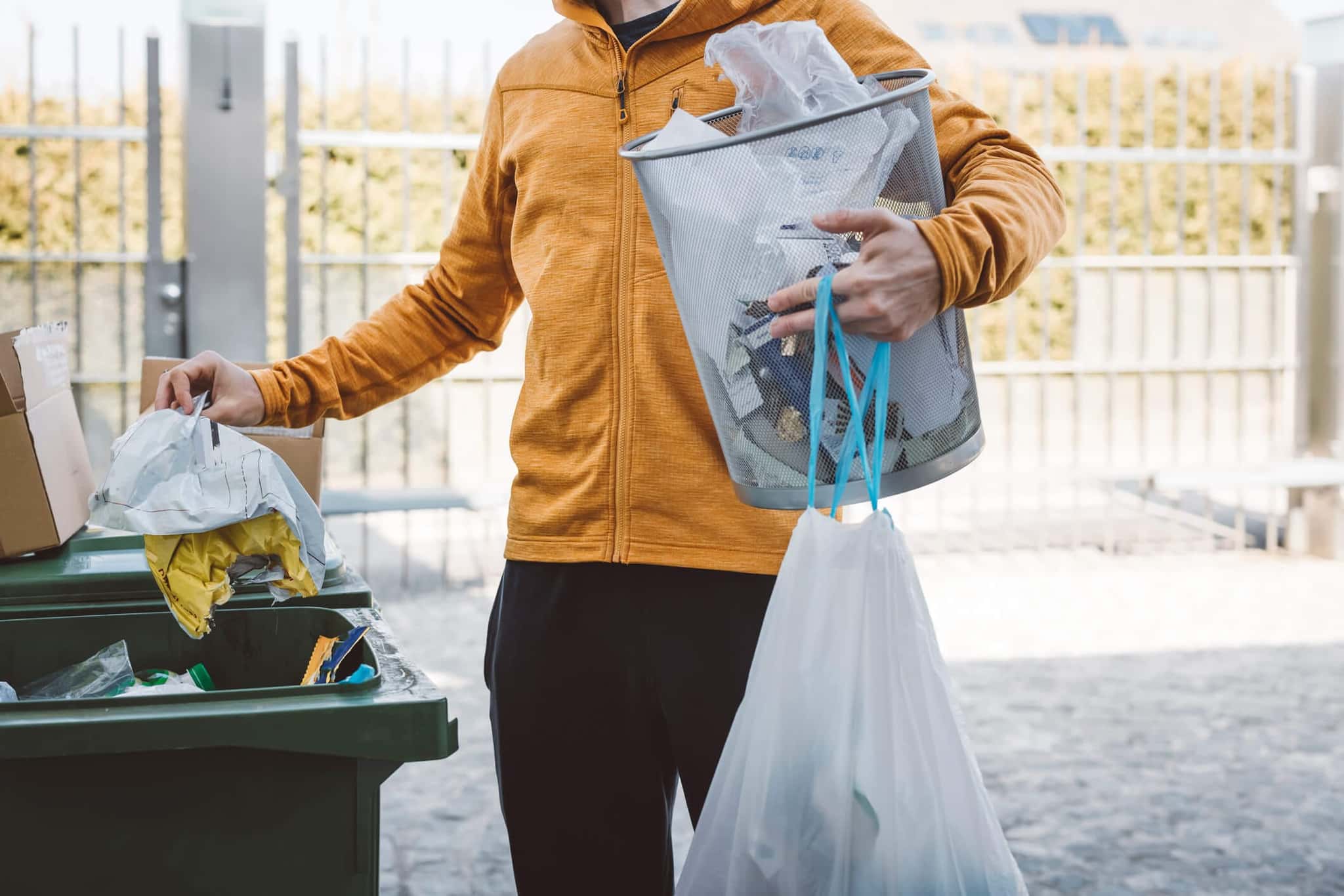
The junk removal industry has a significant impact on the environment, and leaders in the industry have the opportunity to model a more sustainable approach to junk removal and waste management. With significant amounts of waste generated, it’s crucial for junk removal companies to adopt sustainable practices to help protect the environment. Well-implemented sustainable junk removal practices can reduce waste, lower greenhouse gas emissions, and promote environmental responsibility.
The World Bank reports that global waste generation will likely increase up to 70% by 2050, making it all the more important for junk removal providers to further their efforts at reducing this trend. When junk removal companies implement sustainable practices, they can help minimize the industry’s negative impact on the planet.
5 Best Practices for Sustainable Junk Removal
Your business can get started implementing more sustainable junk removal by following these five best practices – or ensuring that your junk removal vendor upholds these standards:
Efficient Truck Routing
Optimizing the routes of junk removal trucks and vehicles will help both minimize fuel consumption and reduce your carbon footprint. By using GPS-enabled routing software, top-tier commercial waste removal companies are able to efficiently plan their haulers’ routes to avoid unnecessary driving, reduce idle time, and minimize the distance traveled between jobs. Reducing the amount of fuel used leads to a smaller carbon footprint – not to mention big savings on fuel costs.
Proper Waste Sorting and Recycling
One of the easiest ways to reduce the amount of waste that ends up in landfills is by properly sorting and recycling materials. Sustainable junk removal vendors typically start their process by sorting and separating items made of different materials like metal, plastic, and electronics and then diverting them to the appropriate recycling vendor instead of sending everything to a landfill. Some sustainable waste removal providers take it a step further by breaking down items to separate the materials to facilitate recycling. For example, candles will be broken down to separate the glass from the candle wax and the wick, enabling each material to be recycled individually.
Donation of Usable Items to Local Charities
An important part of the circular economy is making sure that every item is used for its full lifecycle. When items that are hauled away still have life left in them, the best practice is to donate them to local charities or thrift shops instead of disposing of them in a landfill. Items that can often be donated include furniture, appliances, toys, and clothing. Not only does this practice help reduce waste, but it also supports local communities.
Track & Trace Data for Sustainability Reporting
Sustainable junk removal efforts that deliver concrete, accurate data are critical to businesses’ sustainability and ESG reporting initiatives. Track and trace data simply means the collection and analysis of data related to the junk removal process, including the amount and type of waste collected, the recycling and donation rate, and even the carbon footprint of the entire process. Companies that have access to track and trace data from their junk removal practices are able to easily measure their sustainability performance and report on their progress.
Employee Training on Sustainable Practices
Training employees on sustainable practices is crucial for promoting sustainable junk removal. When partnering with a sustainable waste removal operator, ask if they provide in-depth training on sustainable practices, including waste sorting, recycling, and landfill diversion for all of their haulers and employees. This is an important part of making a commitment to sustainability.
Beyond these best practices, various innovations are driving the junk removal industry forward in its sustainability efforts.
Emerging Innovations in Sustainable Junk Removal
New technology and innovations are emerging and evolving quickly in the junk removal and recycling industry to help improve sustainability efforts. Here are the top three innovations to keep an eye on:
Digital Solutions
Digital solutions are becoming increasingly popular in the junk removal industry, which encompasses a variety of innovations. These include the use of digital platforms and tools to manage waste removal and recycling and track waste volumes and flows. By taking advantage of such digital solutions, businesses can easily share their junk removal and recycling data with regulatory agencies and continue improving ESG reporting.
Artificial Intelligence
Machine learning and algorithms offer significant opportunities to reduce job redundancy and human error throughout an organization. AI can be applied in various ways to drive efficiency, from AI image recognition software to help automate the process of cataloging junk items to fleet management software to optimize routes and ensure fuel efficiency of our large network of haulers.
Drop Bins
Drop bins are also known as sustainability bins. Top-tier sustainable waste management operators utilize a vast network of recycling and reverse logistics facilities to ensure they can sustainably divert any material quickly and locally. With take-back and mail-back programs, the right sustainable waste management provider can supply vessels that fit your project and even support your process with companion apps to track and reward your recycling efforts.
The Time for Sustainability in Junk Removal is Now
With the technology and solutions for sustainable junk removal practices readily available, there’s no better time than the present to start implementing sustainability into your organization’s operations. CheckSammy can partner with you to develop a sustainable junk removal program from the ground up, or assist with optimizing your current efforts. Contact us today to get started!