Back to blog
BlogApr 12, 20235 min readBy Jye Disisto
Beauty Products Recycling 101: Your Helpful Guide
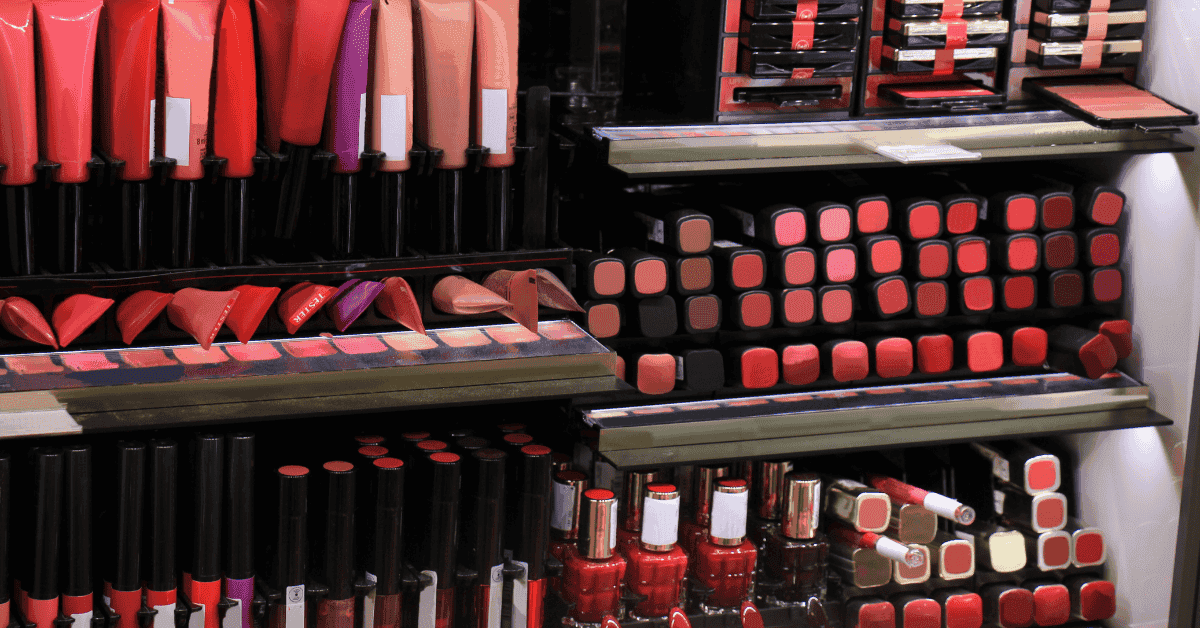
Currently, the global cosmetics industry is valued at over $677 billion and is projected to reach $799 billion by 2030. With millions of beauty products purchased and used daily, the industry produces an immense amount of waste. From plastic-heavy packaging to chemical-laden formulas, cosmetics often contribute to environmental pollution. Yet, many organizations are unaware of the challenges of recycling these products or the sustainable solutions available. As consumer demand for eco-friendly practices rises, companies must rethink how they manage their beauty product waste.
Why Has Cosmetic Waste Become a Growing Concern?
The beauty industry generates over 120 billion units of cosmetic packaging annually, much of which ends up in landfills or pollutes waterways. Only a small percentage of this waste is properly recycled, as many beauty product containers are made from complex, mixed materials that are difficult to process.
Beyond packaging, the chemical ingredients in many cosmetics pose an environmental risk. When washed down drains or discarded improperly, these substances can leach into soil and water sources, harming ecosystems and wildlife. Also, expired or unused beauty products contribute to unnecessary waste, as many of these items are thrown away despite still being viable for donation or repurposing. Addressing these issues requires a shift in how organizations approach beauty product disposal, with a focus on sustainability and responsible recycling solutions.
Common Challenges of Beauty Product Recycling
Material Complexity
One of the biggest barriers to cosmetic waste recycling is the complexity of materials used in product packaging. Many beauty containers combine multiple materials—plastic, glass, and metal—which makes separation and processing difficult. Without proper sorting, these items often end up in general waste streams instead of being recycled. Recycling facilities with the right technology or resources can break down these mixed-material products efficiently, diverting waste from landfills.
Contamination Issues
Residual product left inside containers can make recycling efforts ineffective. Many facilities require containers to be thoroughly cleaned before they can be processed, but consumers and businesses often neglect this step. When contaminated materials enter the recycling stream, they can disrupt the recycling process and render entire batches of recyclables unusable. This issue is particularly common with liquid-based products, such as foundations, lotions, and mascaras, which are difficult to empty completely before disposal.
Design Limitations
Many cosmetic brands do not prioritize recyclability when designing packaging. Features like pumps, mirrors, magnets, and multi-layered materials make it difficult to recycle certain beauty products. Airless pumps, for instance, contain multiple components that must be disassembled before recycling. Without changes at the production level, many of these items will continue to be difficult to process.
Determining What Beauty Products Can Be Recycled
Recycling beauty products depends largely on the materials used and the recycling capabilities of local facilities. Some plastic containers, particularly those made from PET or HDPE plastic, are widely accepted. However, other plastics, especially those used in squeezable tubes or laminated containers, are much harder to process. Glass is another commonly used material, but colored or treated glass may pose recycling challenges.
Metal components, such as aluminum lipstick tubes or tins, are often recyclable but must be cleaned of any remaining product. Composite packaging—where different materials are fused together—presents a significant challenge since separating these components is labor-intensive and expensive. Working with a reputable sustainable recycling provider can help cosmetic companies determine the best way to handle beauty product recycling.
How to Sustainably Dispose of Unused Beauty Products
Assess Product Condition
Unused beauty products can often be diverted from landfills through proper disposal methods. Cosmetic businesses can consider reverse logistics to manage unwanted products. For instance, retailers may be able to return overstocked items to the manufacturer or donate them to shelters or organizations that accept personal care items. Many communities have programs that distribute unused beauty products to those in need.
Consult Local Regulations
Different regions have specific waste management protocols for disposing of cosmetics, particularly those containing hazardous chemicals. Researching and complying with these regulations ensures that beauty products are disposed of safely and responsibly.
Engage with Specialized Recycling Programs
Some organizations have take-back programs designed specifically for cosmetics, helping to divert waste from landfills. These programs accept hard-to-recycle beauty packaging and ensure proper processing to minimize environmental impact.
Educate Staff and Consumers
Providing clear instructions on how to recycle beauty products and reduce contamination helps improve overall recycling rates. Organizations should implement awareness initiatives to foster a culture of sustainability among employees and customers.
Partner with a Sustainable Recycling Provider
Businesses looking to improve their waste management strategies should work with a sustainable recycling provider that specializes in beauty product disposal. These providers can offer tailored solutions for handling mixed-material packaging, reducing contamination risks, and improving overall recycling rates. Partnering with an expert in sustainable waste management ensures that beauty products are disposed of in an environmentally responsible manner.
A Smarter Approach to Beauty Product Recycling
Effective beauty product recycling requires tackling material complexity, contamination, and inconsistent standards through proper disposal methods. Cosmetic businesses committed to sustainability can make a real impact by working with a knowledgeable recycling provider.
Schedule a consultation with CheckSammy today to discover how we can tailor a recycling solution to fit your needs!