Back to blog
BlogApr 25, 20235 min readBy Jye Disisto
ESG Compliance: How to Elevate Your Business’s ESG Score!
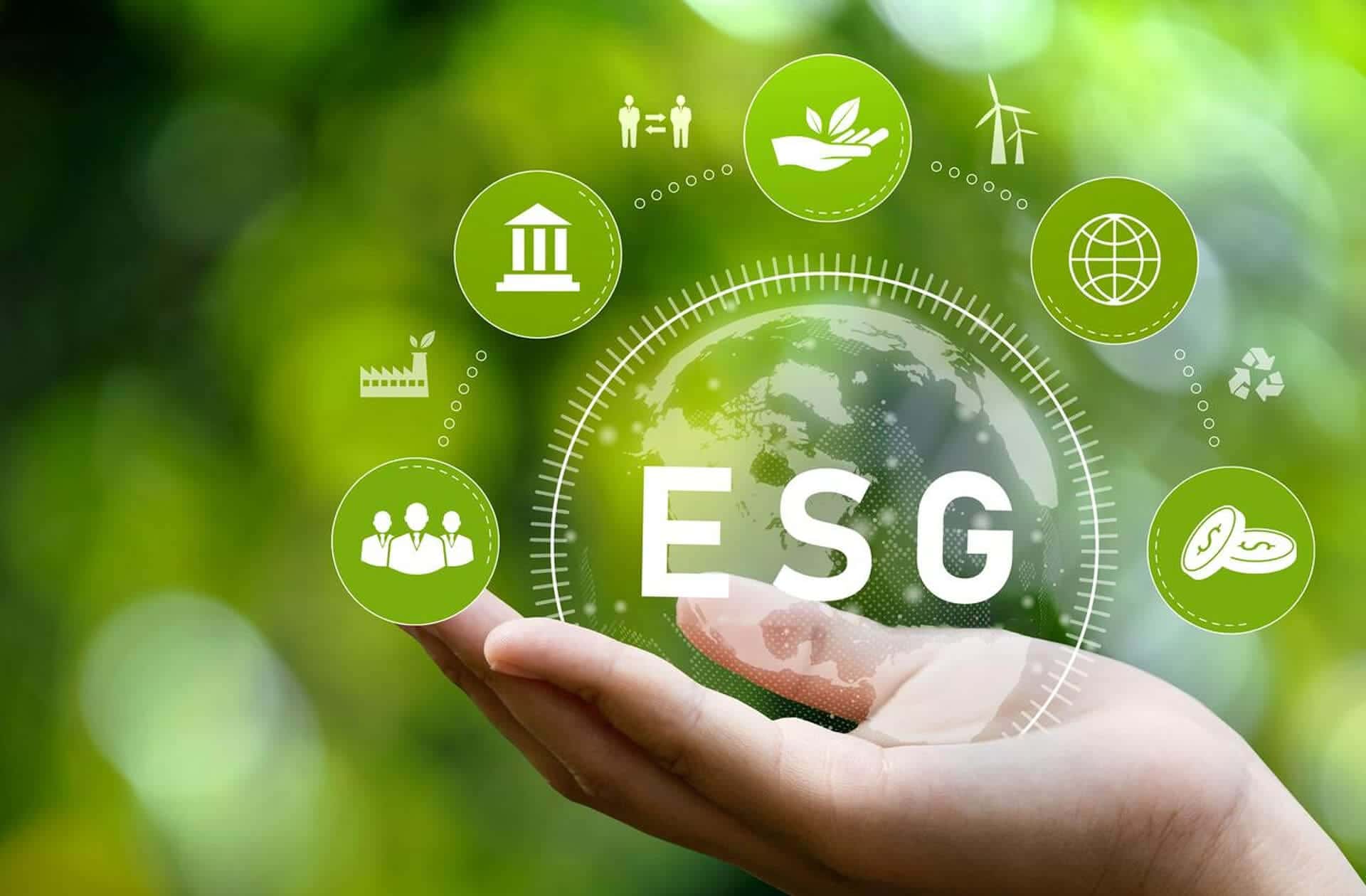
Sustainable waste management isn't just good for the planet—it's a smart strategy for boosting your ESG performance. With growing pressure from regulators, investors, and consumers, businesses can no longer afford to treat environmental responsibility as an afterthought. Every decision around waste—how it's generated, handled, and disposed of—directly impacts your ESG score.
By adopting sustainable waste solutions, companies can significantly reduce landfill contributions and greenhouse gas emissions. That means managing industrial byproducts responsibly, prioritizing recycling and reuse, and ensuring hazardous materials are handled in ways that minimize environmental harm.
What is ESG?
ESG stands for Environmental, Social, and Governance and speaks to the close relationship of human activity, how businesses conduct themselves, and the role of government in ensuring that our communities continue to survive and thrive. While global leaders may not agree on whether our civilization-making is the direct cause of climate changes like extreme temperatures, droughts, and the recorded melting of the polar ice caps, it's widely accepted that the fossil-fuel economies of countries are not sustainable in the long term.
Governments have agreed that energy conservation is a common good and that the increasing amounts of industrial and public waste create problems we must resolve in our time.
What is an ESG Score?
“An ESG score is a measurement of a company's level of sustainability. The calculation is based on many factors, and an ESG score can range from 0-100.” – ESGTheReport.com.
At their core, businesses work toward specific goals, but today, there's a growing understanding that these goals should align with broader environmental and social responsibilities. Experts across the scientific community agree: We need to be more mindful of how we use natural resources. That means avoiding practices that lead to deforestation, harm ecosystems, or deplete water and energy unsustainably.
This is where ESG—Environmental, Social, and Governance—comes into play. A company's ESG score reflects how well it's integrating responsible practices into its operations, from reducing environmental impact to upholding ethical standards and supporting communities.
How Do ESGs Affect Your Business?
Businesses, like people, need energy (electricity) to conduct their activities. They also definitely produce waste as a result of transforming materials into products and transporting and storing products before they go to market.
These activities produce emissions. In the past, companies would let these gases escape into the atmosphere. However, increases in carbon dioxide negatively impact the protective layers of the atmosphere that make human life possible.
Social Responsibility
“The overwhelming weight of accumulated research finds that companies that pay attention to environmental, social, and governance concerns do not experience a drag on value creation”, according to McKinsey & Company's 2023 ESG Report.
While it seems obvious that a benefit to humanity as a whole is valuable to businesses, some businesses have a hard time transitioning to new ways of operating or using alternative resources to create their products and offer services.
But social responsibility offers even greater value to companies—it strengthens their reputation and deepens their presence within the communities they serve. Businesses that actively support environmental efforts are more likely to gain support from governments and earn trust from consumers and investors alike.
Greater Confidence in Business Growth
Given the political weight behind sustainability in business operations and the public awareness of impacts on our environment, investors, stakeholders, and the finance industry will consider a company's participation.
A company's future is largely determined by its ability to perform successfully (revenue and market share) within the economy, but confidence in that performance is based on subjective perception as well. A company that proactively approaches transforming its operations and maintaining adherence to sustainable development and growth makes an excellent impression on interested and invested parties.
As time moves forward, investors and other stakeholders will place greater importance on ESG ratings to assess the viability of a specific business in the long term. Companies with high ESG scores may be preferred candidates for investment opportunities and, thus, secure access to private and public funding. A high ESG score, or favorable ratings in the pursuit of greater ESG compliance, creates positive brand awareness that makes a good first impression on would-be collaborators and investors.
When businesses use energy more efficiently, conserve water, and make better use of the land they occupy, they help reduce the strain on natural resources. This means less need to clear forests or divert vital water sources like rivers. As a result, local communities—both in towns and cities—benefit from better access to clean water and healthier ecosystems. Since people can't replenish the water they consume, we rely on nature's systems—like rainfall, evaporation, and the role of trees and plants in filtering air and absorbing carbon—to maintain balance.
How Sustainable Waste Management Solutions Can Improve Your ESG Score
Improving your ESG score starts with practical, everyday choices—like how your business manages waste. Sustainable waste solutions help reduce landfill contributions, cut emissions, and conserve resources like water and energy. These actions directly support environmental goals while enhancing your company's reputation with investors, regulators, and customers.
By focusing on responsible waste practices, your business signals a commitment to long-term sustainability and operational transparency. It's a smart step toward stronger ESG performance and greater resilience in a shifting regulatory and economic landscape.
Looking to improve your ESG strategy through better waste management? CheckSammy's ESG solutions are built to support your goals. Book a consultation with our sustainability experts today!