Why is Bulk Waste Pickup Important for Businesses?
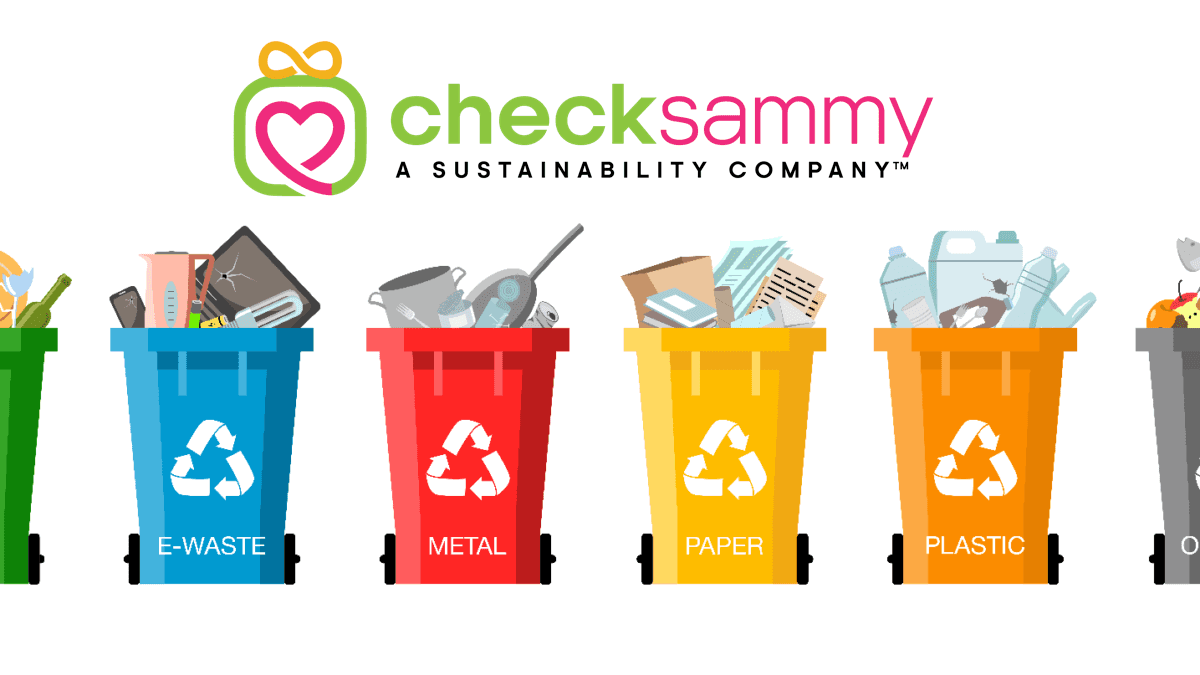
When it comes to waste management, bulk waste pickup is a significant opportunity for businesses to increase efficiency and save money. Ineffective waste management practices can quickly drain resources and hurt the bottom line. A smarter approach to bulk waste can reduce costs, streamline operations, and even uncover new opportunities for sustainability.
Why is Waste Efficiency Important?
Waste efficiency is important for several reasons, both from an environmental (ESG Ranking) and financial standpoint. Here are some key reasons why waste efficiency matters:
- Cost Savings
Efficient waste management practices can lead to significant cost savings for businesses. Enterprises can cut costs for transportation, landfill fees, and waste disposal by decreasing waste generation, improving collection schedules, and investigating recycling possibilities. Waste efficiency allows firms to utilize their resources more effectively, favorably influencing their bottom line.
- Environmental Impact
Inefficient garbage management has a detrimental influence on the environment. Landfills contribute to pollution, greenhouse gas emissions, and soil and water contamination. By improving waste efficiency, organizations may reduce the quantity of garbage transported to landfills and promote recycling and repurposing initiatives. This reduces the environmental footprint, conserves resources, and helps preserve natural habitats.
- Regulatory Compliance
Governments and regulatory bodies enforce waste management regulations to safeguard the environment and the general public’s health. Businesses that violate these rules risk penalties, fines, and legal repercussions. By implementing waste efficiency measures, businesses can be sure that they are complying with legal requirements and avoiding penalties.
- Corporate Social Responsibility (CSR)
Waste efficiency aligns with business social responsibility aims. Consumers and stakeholders increasingly give preference to companies that exhibit environmental awareness and sustainable business practices. By adopting efficient waste management practices, businesses may increase their reputation, attract eco-conscious clients, and strengthen their brand image.
- Resource Conservation
In order to conserve resources, effective waste management lowers the demand for raw materials. Recycling and reuse of waste materials can conserve natural resources, cut down on the need for extraction and manufacturing processes, and save energy. Businesses can contribute to a circular economy where resources are used more sustainably by implementing waste efficiency strategies.
- Employee Engagement and Morale
A focus on waste efficiency can also positively impact employee engagement and morale. When a firm actively adopts environmentally friendly practices, employees feel more pride in their workplace and are motivated to support sustainability projects. Programs for reducing waste can also offer opportunities for employee participation, encouraging a sense of cooperation and shared accountability.
How to Improve Waste Management Efficiency
There are several ways your organization can improve waste management efficiency.
- Conduct a Waste Audit
Before implementing any changes, it’s crucial to conduct a waste audit to understand your current waste generation patterns. Identify the types and quantities of bulk waste your business produces regularly. This analysis will help you pinpoint areas where efficiency can be improved and costs reduced.
- Implement Waste Minimization Strategies
Reducing the amount of waste produced is the best way to save money on bulk waste pickup. Encourage staff members to use eco-friendly procedures like paperless workflows, recycling programs, and reusable packaging. By reducing waste at the source, businesses can significantly reduce disposal costs and have a positive environmental impact.
- Optimize Waste Segregation
Effective bulk waste management requires proper waste segregation. Ensure that your company has obvious and well-labeled trash and recycling bins and train staff on what belongs in each category. By effectively categorizing your garbage, you may decrease contamination, boost recycling rates, and even be eligible for cost-saving incentives.
- Explore Recycling and Repurposing Opportunities
Instead of sending all bulk waste to the landfill, consider alternative disposal methods such as recycling and repurposing. Numerous materials can be recycled, frequently at a cheaper cost than conventional waste management, including cardboard, plastic, and metal. To maximize recycling opportunities and lower waste management costs, research nearby recycling facilities and form partnerships.
- Evaluate Waste Pickup Frequency
Check to see if the frequency of your present waste pickup matches the needs of your company. If you discover that your garbage bins are regularly empty during pickups, try altering the timetable to save collection expenses. Be careful not to cut back on pickups so much that overflowing trash causes a sanitary or operational problem.
- Engage a Professional Waste Management Provider
Working with a reputable trash management company can enhance cost-effectiveness and streamline your bulk waste pickup process. Professionals with experience can evaluate your unique waste management needs, offer customized solutions, and handle all logistics, ensuring proper disposal and regulatory compliance. Their expertise can save your business time, effort, and money in the long run.
Improve Your Business’s Waste Efficiency
Effective bulk waste management isn’t just about disposal—it’s a smart way to cut costs, stay compliant, and support sustainability. Checksammy offers tailored waste solutions to help businesses streamline operations and reduce expenses. Book a consultation with us today and take the first step toward smarter waste management.
.elementor-section.elementor-section-boxed > .elementor-container { width: 100% !important; max-width: 100%; }