Back to blog
BlogJul 14, 20235 min readBy jye@checksammy.com
Commercial Waste vs Residential Waste: What’s the Difference?
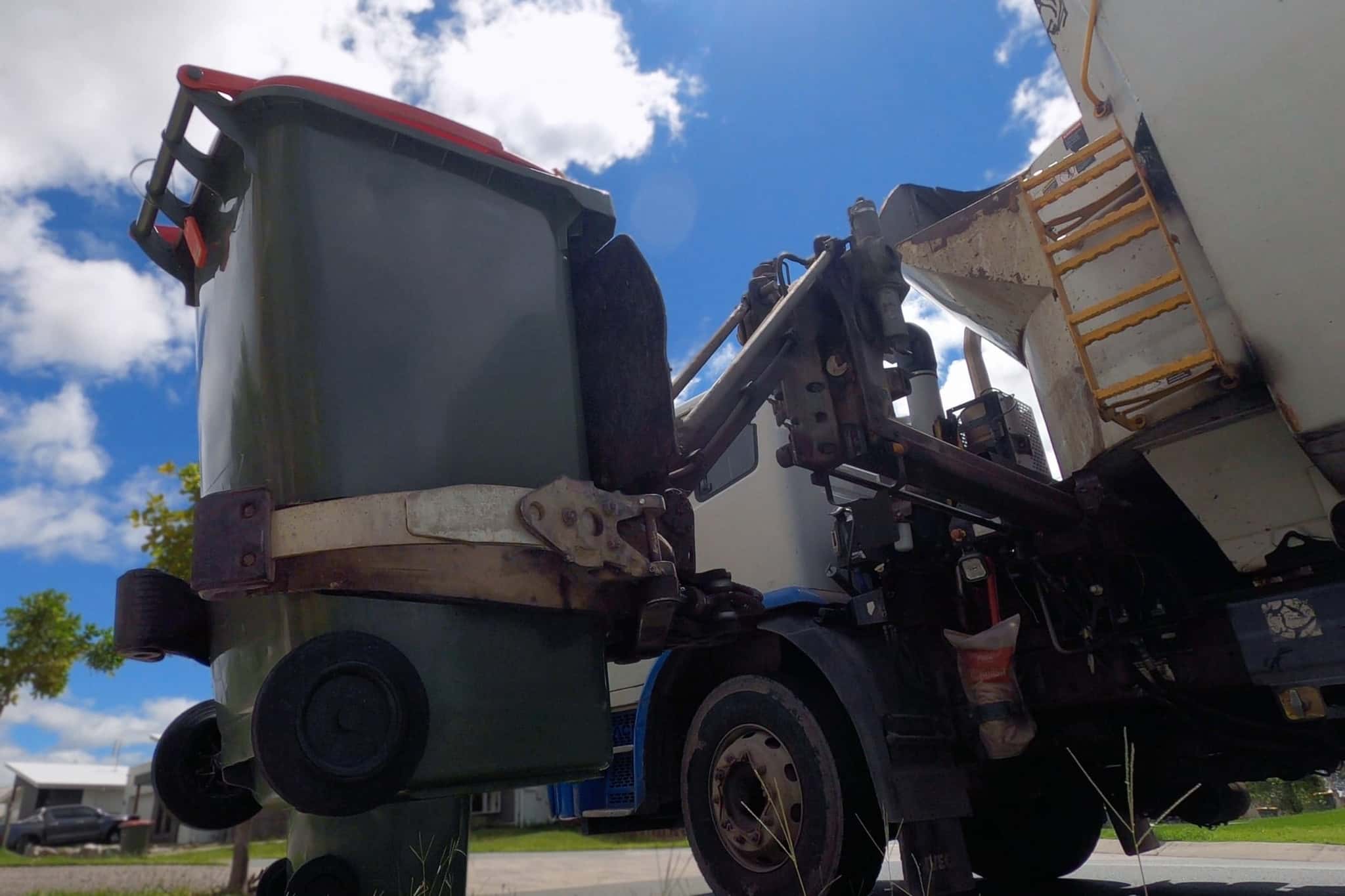
Not all trash is created equal—especially when it comes to commercial and residential waste. Commercial waste is different from household waste in a few key ways. First, commercial waste is typically generated in much larger quantities than household waste. Second, commercial waste can contain a wider variety of materials, including some that are hazardous. Third, commercial waste is often subject to more stringent regulations than household waste.
10 Types of Commercial Waste
Commercial waste is waste that is generated by businesses and organizations. It includes a wide variety of materials.
Biomedical Waste
Hospitals and medical facilities generate waste like used needles, bandages, and blood products. Because it can contain harmful pathogens, proper disposal—through incineration or certified hazardous waste facilities—is crucial.
Construction and Demolition Waste
Materials like concrete, bricks, and wood pile up at construction and demolition sites. While much of this waste can be recycled or repurposed, a significant portion still ends up in landfills.
Electronic Waste
Old computers, televisions, and cell phones don’t just clutter up space—they contain hazardous chemicals that can harm the environment. Proper e-waste disposal through certified recycling programs helps prevent toxic waste buildup.
Food Waste
From spoiled food to packaging, food waste contributes significantly to environmental issues, particularly methane emissions—25 times more potent than carbon dioxide. Reducing waste and composting can make a big difference.
Hazardous Waste
Chemicals, batteries, and medical waste fall into this dangerous category. Due to the risks they pose, hazardous waste must be carefully managed—whether through recycling or incineration.
Metal Waste
Aluminum cans, steel scraps, and other metal materials are some of the easiest to recycle. Reused metal can be transformed into new cans, construction materials, and even machinery parts.
Paper Waste
Office paper, cardboard, and paper towels often pile up in commercial spaces. While recyclable, proper sorting is essential—otherwise, this waste can end up in landfills, taking centuries to decompose.
Plastic Waste
Bottles, bags, and packaging make up a large portion of commercial waste. While some plastics are recyclable, improper sorting and contamination often make recycling difficult.
Wood Waste
Sawmills, furniture factories, and construction projects produce large amounts of wood scraps. These can be repurposed, recycled, or even burned for energy rather than discarded.
Yard Waste
Grass clippings, leaves, and branches from landscaping and garden maintenance can be composted rather than sent to landfills, making them a more eco-friendly type of waste.
Why is Responsible Commercial Waste Disposal Important?
Proper disposal of commercial waste is important for a number of reasons.
Protects the Environment
Commercial waste can contain harmful materials that can pollute the air, water, and soil when discarded in landfills. For instance, electronic waste can contain toxic elements like lead, mercury, or brominated flame retardants that can seep into soil and waterways when deposited in landfills.
Prevents Health Risks
Some types of commercial waste, such as hazardous waste, can pose a risk to human health if it is not handled properly. For example, asbestos from demolition debris could elevate the risk of respiratory issues for people.
Lowers Costs
Businesses can save money on disposal costs by recycling and composting commercial waste. For instance, grocery stores and restaurants can recycle organic waste at anaerobic digestion facilities for the generation of biofuel or high-quality fertilizer.
How Do Businesses Dispose of Commercial Waste?
Recycling
Recycling is the process of converting waste materials into new materials and objects. Recycling can help to reduce the amount of waste that goes to landfills and incinerators.
Waste-to-energy
Waste-to-energy plants burn waste to generate heat or electricity. This process can reduce the amount of waste that goes to landfills, and it can also generate a source of renewable energy. However, waste-to-energy plants can also produce harmful emissions, so it’s important to choose a plant that has good pollution controls.
Anaerobic Digestion
Anaerobic digestion is a process that breaks down organic waste in the absence of oxygen. This process produces biogas, which is a mixture of methane and carbon dioxide. Biogas can be used as a fuel or to generate electricity. Anaerobic digestion is a relatively clean process, and it can be used to treat a variety of organic waste streams.
Chemical Treatment
Chemical treatment is a process that uses chemicals to break down waste. This process can be used to treat hazardous waste or to convert waste into a more manageable form. Chemical treatment can be effective in destroying harmful substances, but it can also produce harmful byproducts.
Landfill Gas Recovery
Landfill gas recovery is a process that captures the methane gas that is produced in landfills. Methane gas is a greenhouse gas, so landfill gas recovery can help to reduce greenhouse gas emissions. Landfill gas can also be used as a fuel or to generate electricity.
Exploring Commercial Waste Management Solutions
Proper waste disposal is essential for businesses of all sizes. It can help to protect the environment, save money, and prevent fines. There are a number of different methods of commercial waste disposal available, including recycling, composting, incineration, landfilling, waste-to-energy, anaerobic digestion, chemical treatment, and landfill gas recovery. The best method for a particular business will depend on the type of waste it generates, the regulations in its area, and its budget.
In addition to these methods, businesses can also look for waste management partnerships that offer a variety of services, such as on-site waste collection, waste audit, and waste disposal training. CheckSammy is a sustainable waste management solutions provider that offers a comprehensive range of services to businesses of all sizes.
Book a consultation with CheckSammy today to explore how we can help your organization reduce waste, save money on waste disposal costs, and protect the environment!