Back to blog
BlogSep 28, 20235 min readBy jye@checksammy.com
Reducing Food Waste: The Power of Organics Recycling in Restaurants
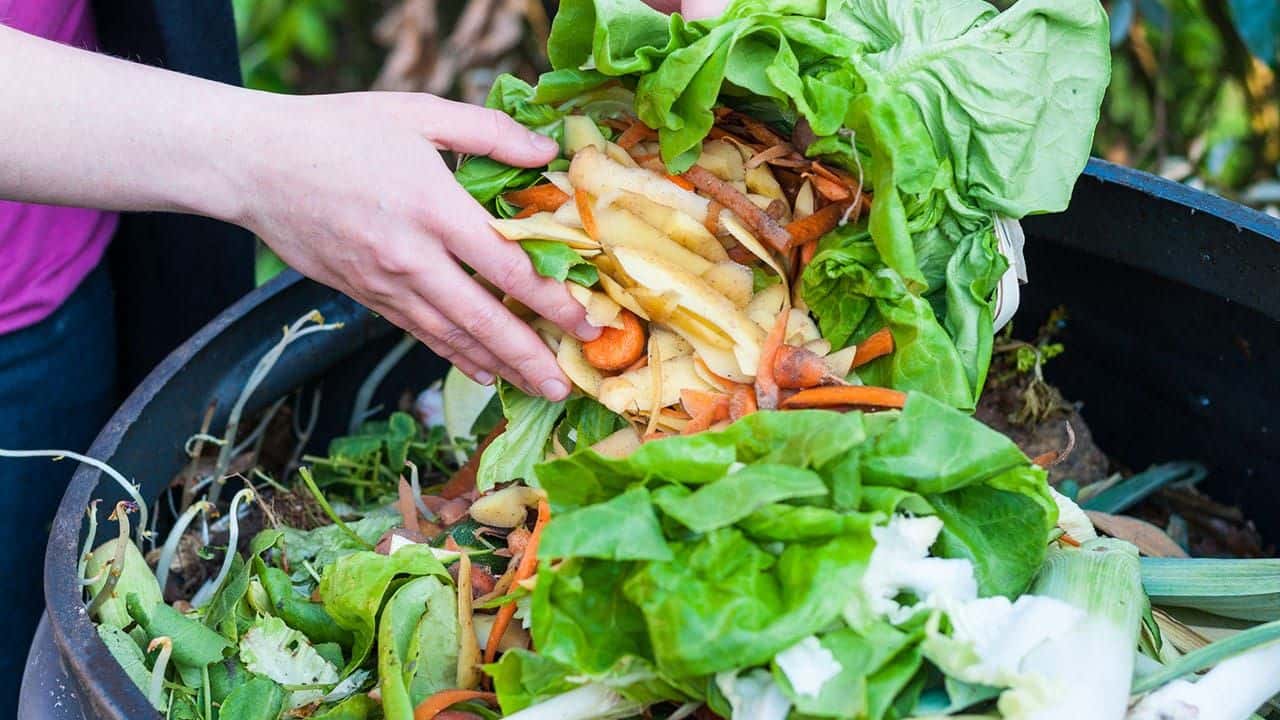
As stewards of one of the most resource-intensive industries, you're no stranger to the challenges and responsibilities that come with managing food waste. It's an issue that doesn't just impact the bottom line of your restaurant but also has a profound environmental and reputational impact.
The statistics alone show that there's much work to be done:
Roughly one-third of all food produced around the world goes to waste.
U.S. restaurants contribute to around 11.4 million tons of food waste each year, costing the industry over $25 billion annually.
The decomposition of food waste in landfills produces 58% of methane emissions from landfills.
So, what can be done to counteract this growing issue? Organics recycling is a powerful solution uniquely tailored for the restaurant industry. Not only does this approach help divert food waste from landfills, but it also turns that waste into valuable compost or energy. This makes organics recycling a win-win situation benefitting both your business and the planet. Let's explore how.
The Importance of Addressing Food Waste
The statistics above tell us a lot, but let's take a closer look at why addressing food waste is becoming a priority for forward-thinking restaurant and hospitality leaders.
Ethical Responsibility
Every day, millions of people go to bed hungry while valuable food ends up in the trash. With at least 828 million people worldwide facing hunger daily, food waste becomes more than an operational concern; it's a humanitarian issue as well. Which is why the first step to eliminating it should be donating fresh, surplus food to be distributed to charitable organizations. There are many nonprofits that can help with this.
Financial Upsides
Beyond the ethical aspect, reducing food waste can have compelling financial incentives. Reducing food waste isn't just a cost-saving strategy – it's also a revenue-generating one. One study found that for every dollar restaurants invested in food waste reduction, they saved $7 in operating costs, representing a 600% return on investment over a three-year period.
And let's not forget the tax benefits. Several jurisdictions offer tax incentives to businesses that donate edible food, and there are also federal tax incentives, making it financially rewarding to put your efforts into food waste reduction.
What Does Organics Recycling Mean?
But what exactly is organics recycling, and how does it help with food waste reduction? We've got the answers for you.
Organics recycling is the process of recycling organic materials—like food waste—into valuable compost, energy, or other usable products. Unlike traditional recycling, which focuses on repurposing non-organic items like plastics, metals and paper, organics recycling is a process specifically for organic (natural) materials. This involves natural decomposition to turn what would otherwise be waste into a valuable resource.
7 Types of Food Waste for Organics Recycling
Not all food waste can be recycled. The types of food suitable for this process include:
Fruits
Vegetables
Meat
Fish
Dairy
Bread
Some processed foods
Organics for recycling essentially encompass anything that once grew or lived, with the exception of diseased plants or contaminated animal products.
5 Steps to Implement Organics Recycling in Your Restaurant
Let's delve into the details of implementing organics recycling in your restaurant. Get started with these five steps:
1. Assess Your Waste.
The first step is understanding what types of organic waste your restaurant generates and in what quantities. A waste audit can help with that. Our team of waste management experts takes a sample of your organic waste to make sense of your waste stream. We'll categorize it, analyze it and give you a detailed report along with our recommended actions so you can reduce waste and identify cost-saving opportunities.
2. Choose a Service Provider.
Partner with an organic recycling service like CheckSammy to ensure that your waste is handled responsibly. As the world's largest bulk waste and sustainability operator, we have Sustainability Hubs nationwide to help you maximize your diversion goals.
3. Employee Training.
Make sure your team understands what goes into the organic waste bins and what doesn't. Clear labeling and signage can help. Fostering a positive sustainability culture where employees feel empowered to make a difference can enhance your organic waste management goals.
4. Monitor and Adjust.
Set data-based goals for your efforts based on the baseline from your waste assessment. Regularly review the program's effectiveness based on those goals and make adjustments as needed. CheckSammy's cutting-edge Sustainability Platform, Veridiant, helps you track, analyze and optimize your material diversion from the source to the destination.
5. Communicate Your Efforts.
Organizations that make sustainability a priority in their business operations are more important than ever to consumers. Once your sustainable waste management system is in place, let your customers know about your sustainable practices. This is a great way to enhance your brand reputation and public image.
How Much Can You Reduce Your Restaurant's Food Waste?
By adopting these practices we've outlined here, your restaurant has the power to make a dent in the volume of food waste you generate, saving both money and valuable resources.
If you're ready to embark on your organics recycling journey, CheckSammy can help. Contact us today and discover how drastically you can reduce your food waste.