Back to blog
BlogNov 1, 20236 min readBy Paul Solovyov
3 Sustainable Strategies for Retailers During the Holiday Season
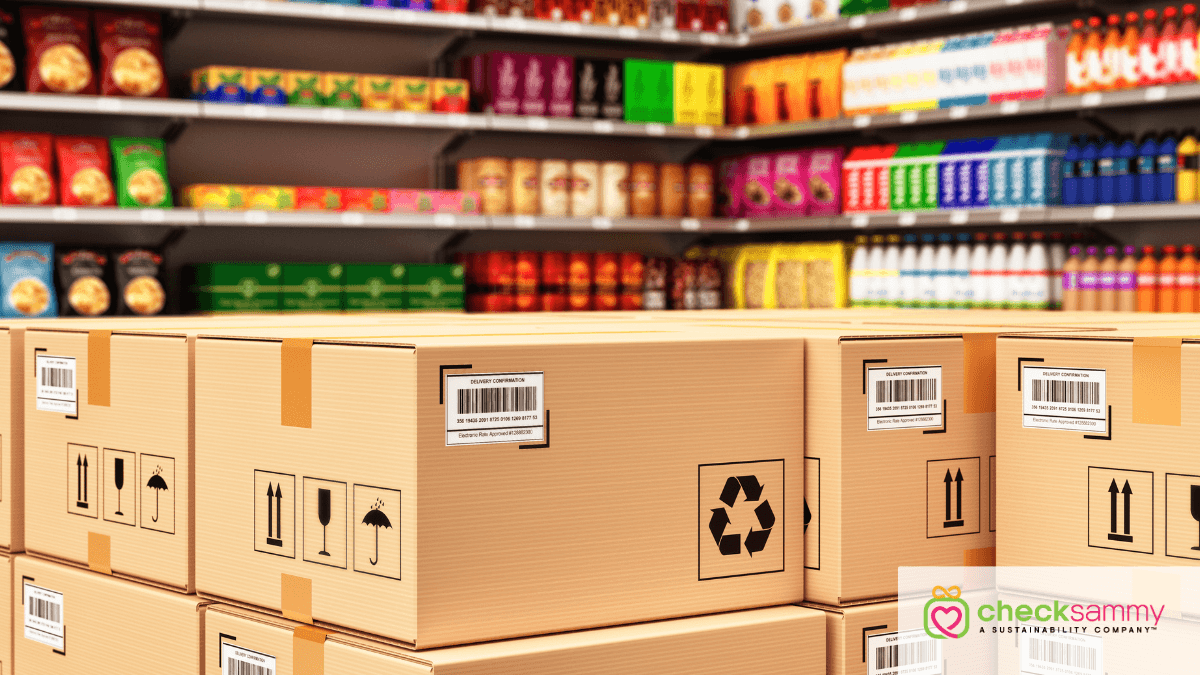
It's that bustling time of the year when retailers gear up for a surge in sales and roll out festive promotions. But after the cash registers stop ringing and the holiday lights are switched off, other concerns remain, including a high number of returns and ongoing sustainability challenges. With 87% of consumers believing that companies should address pressing environmental and social issues, developing a sustainability plan is critical to protecting your brand reputation. But how can you navigate the rewarding but often wasteful holiday shopping rush while upholding your commitment to sustainability? It can feel like you're walking a tightrope between the undeniable economic boon of the holiday season and the concerning environmental impact of the retail and textile industries. But it's entirely possible to strike a balance!
Understanding the Environmental Impact of the Holiday Rush
There's an environmental toll to the holiday season that often goes unnoticed. Here's a quick look at its impact:
Surge in Packaging Waste
The sheer volume of holiday purchases means a significant spike in packaging materials. From wrapping paper to boxes and bubble wrap, the numbers add up. Americans actually throw away an estimated 25% more trash between Thanksgiving and New Year's Eve – nearly 25 million tons of garbage in just six weeks.
Increased Carbon Footprint from More Deliveries
With the convenience of online shopping comes the added cost of deliveries. Delivery trucks emit greenhouse gasses, contributing to an increased carbon footprint. The transportation sector is responsible for about 28% of total U.S. greenhouse gas emissions, making it the largest contributor in the country. This percentage only rises with the surge in deliveries during the holidays.
But what about after-holiday returns? Whether consumers are returning a gifted sweater or an unopened toy, the huge amount of returned items after the holidays is astounding.
Environmental Cost of Return Shipments
Returns may be inevitable at some level, but they also mean double the transportation – first to the customer and then back to the retailer. This back-and-forth significantly increases greenhouse gas emissions. Return deliveries in the U.S. alone are expected to produce over 15 million metric tons of carbon dioxide emissions each year.
Waste Generated from Non-Resellable Returned Items
Not all returns can be put back on the shelf. Damaged, old or unsellable returned items result in a tremendous amount of waste with items often heading straight to the landfill. A recent study found that returns account for approximately 5 billion pounds of waste in U.S. landfills each year.
As retail leaders, recognizing these environmental concerns is the first step toward developing more sustainable strategies. Let's explore three transformational sustainable strategies that can help set your retail business on a greener path this season!
Embrace Green Supply Chain Management Practices
The holiday season is an important time to reflect on your brand's approach to supply chain management. By embracing green supply chain practices, you can both boost operational efficiency and increase your commitment to sustainability. Here are some eco-friendly supply chain tactics to consider:
Sustainable Sourcing
By aligning with suppliers and manufacturers committed to sustainability, you're one step closer to ensuring that every product hitting your shelves is rooted in eco-friendly practices. Companies that prioritize sustainable sourcing enjoy an improved brand image and can easily meet the growing demand from environmentally conscious consumers. In other words, it pays off to be selective about the suppliers you partner with. Look for sustainable packaging materials, opt for local vendors whenever possible, and prioritize manufacturers that work with recycled materials.
Efficient Inventory Management
Overstock not only ties up capital but also contributes to waste, especially if products expire or go out of fashion. Using advanced tech solutions can provide accurate demand forecastin'g, helping your retail organization maintain optimal stock levels. In addition to the environmental impact, inaccurate forecasting can cause retailers to lose up to 30% in potential sales.
Consolidated Shipping
Every delivery trip avoided is a win for the environment. Consolidated shipping allows retailers to group multiple orders, slashing the number of trips required. This not only cuts down on fuel consumption and carbon emissions but also translates to cost savings. With the transportation sector being a major contributor to greenhouse gas emissions, a shift towards consolidated shipping can make a tangible difference.
Incorporating these tactics into your supply chain can help carve out a competitive advantage for your brand.
Address the Returns Dilemma
We all know that returns are an inevitable part of the retail game, especially during the holiday rush. But knowing doesn't make it any easier to manage the rush of post-holiday returns – and the environmental costs of returns can be staggering. Thankfully, there are some steps you can take.
Eco-Friendly Return Policies
It's important to factor return policies into your sustainable post-holiday strategy. Start here:
● Encourage in-store returns to reduce shipping – In-store returns don't just cut down on shipping emissions; they can also spur additional sales. When customers come in to return an item, there's a good chance they might browse and make an additional purchase.
● Implement restocking fees to discourage unnecessary returns – While no one likes fees, a nominal restocking charge can make consumers think twice before returning an item impulsively. This can deter unnecessary returns, saving both environmental and operational costs.
Tackling the returns dilemma with sustainability in mind doesn't just benefit the environment; it's also a smart business move ahead of the holidays.
Implement Programs for the Recycling and Upcycling of Returned Goods
Initiate recycling, reusing, or repurposing programs in your area.
Collaborate with Local artisans or Recycling Facilities
Instead of disposing of returned goods, why not turn them into something unique? By collaborating with local artisans, retailers can upcycle these items into new products, giving them a second life and a fresh revenue stream.
Work with a Local Sustainability Partner for Sustainable Reverse Logistics
Engaging with a sustainability partner can help your brand navigate the intricate world of green reverse logistics. Experts like CheckSammy can ensure that returned goods are managed in the most environmentally responsible manner.
Utilize Sustainable Bulk Removal Services
Diverting goods away from the landfill is crucial. By partnering with a sustainable bulk removal company, retailers can ensure that large quantities of returned goods are either recycled, donated, or disposed of in the greenest way possible.
Make the Shift Towards a More Sustainable Holiday Season with CheckSammy!
From excessive waste to the carbon footprint of deliveries, the holiday retail season creates numerous challenges. But with the strategies we've presented here, your brand will be well on its way to solving those challenges.
If you're searching for an immediate solution to jumpstart your sustainability efforts, consider CheckSammy's Mailback program, which streamlines the process of managing unwanted or returned goods, ensuring they're responsibly recycled, reused, or repurposed. It's the easiest most affordable way to recycle. Contact our team of bulk waste and sustainability experts today to get started!