Back to blog
BlogSep 23, 20246 min readBy Sally Rosauer
Sustainable Retail: The Key to Smarter Bulk Waste Removal Strategies
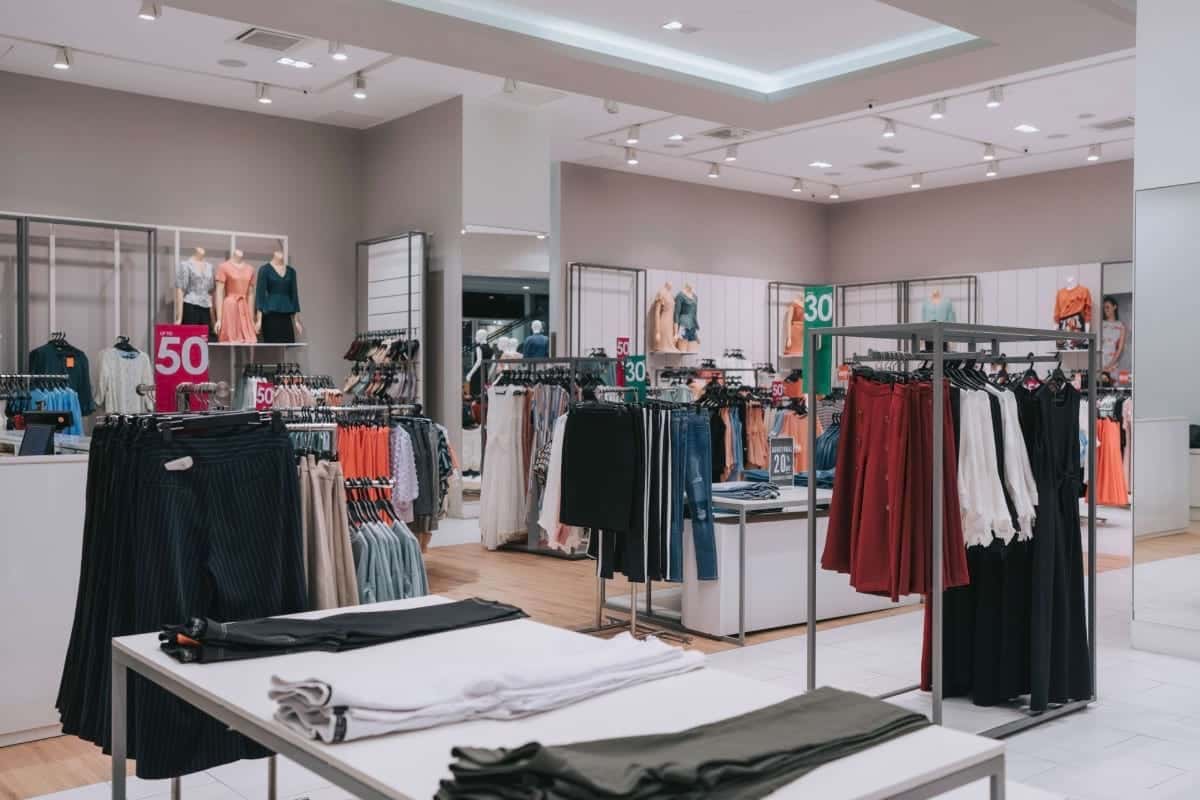
Sustainability is a growing force in the retail industry, and as retail facilities manager, you're likely feeling the pressure to follow sustainable retail practices. More than ever, customers expect eco-friendly brands, and regulatory bodies are imposing stricter waste management standards.
This shift isn't just a challenge, it's an opportunity to rethink how your business manages waste – whether from everyday operations, national rollouts, seasonal fixture changes, store renovations, or product disposal.
In an industry that's always evolving, how do you make retail sustainability work for your store operations, reduce your environmental footprint, and stay competitive?
Meeting the Growing Demand for Sustainable Retail: What Customers Expect
In the past, excess and outdated materials might have been discarded without a second thought. But today, consumers are watching closely – and they expect more. They want to know: How is your brand making a positive impact on the environment?
The demand for sustainable retail has grown from a whisper to a roar. To stay relevant, you need to reassess how you handle bulk waste. By making smarter choices, you minimize your environmental footprint, align with the values of today's consumers, and meet your company's environmental, social, and governance (ESG) commitments. It's about doing what's right for your brand – and the planet.
The Hidden Costs of Waste: Why Your Environmental Impact Matters
In the day-to-day operations of a retail business, it's easy to overlook the waste generated. But every fixture you replace or product you dispose of leaves a mark – often in a landfill. Over time, this adds up, contributing to pollution, resource depletion, and rising costs.
Now, let's zoom out. A single store renovation or national rollout multiplied across your entire network reveals the full environmental impact. The good news? Integrating sustainable bulk waste removal practices can significantly reduce this footprint. And it's not just about feeling good about your eco-friendly efforts – there are tangible benefits like cost savings from lower landfill fees and increased brand loyalty from eco-conscious customers.
Turning Waste into Value: How to Maximize Returns on Retail Waste
Waste isn't just a byproduct of retail – it's a missed opportunity. In the past, retail renovations or product disposal focused only on quick removal. But today, every piece of waste holds potential value through the principles of the circular economy, which encourages keeping materials in use for as long as possible.
Take store fixtures, for example, instead of discarding them, what if they could be repurposed or recycled? This reduces landfill waste and creates new revenue streams by extracting value from what others see as trash. By adopting these sustainable retail practices, your retail business becomes part of the circular economy, contributing to a more sustainable future while gaining a competitive edge in the market.
Planning for Long-Term Success: Sustainable Retail Solutions Start Early
When planning a renovation, seasonal store fixture removal, or new store rollout, sustainability should be a key consideration from the start. Imagine walking into a store where every fixture was chosen not just for aesthetics, but for its end-of-life potential. Will it be reusable, recyclable, or modular? These choices make a big difference when it's time to refresh your space.
By embedding sustainability into your planning, you can manage waste more effectively down the line. You'll already know where your materials will go – whether that's back into your operations or through a recycling program. And with a proactive approach, you're not just reacting to waste challenges, you're preventing them before they even arise.
How the Right Bulk Waste Removal Partner Drives Improved Sustainability
You don't have to tackle sustainable retail practices alone. In fact, one of the smartest moves you can make is partnering with a sustainable bulk waste removal provider. These experts understand the complexities of removing fixtures and other materials you're your stores and can help guide you in minimizing waste and maximizing landfill diversion.
Take debranding, for example – those old, branded fixtures, textiles, and merchandise can't just be thrown away. A sustainability-focused provider can help you debrand, recycle, or repurpose them, ensuring every step aligns with your environmental goals. By involving these partners early, you'll streamline the entire bulk waste removal process from start to finish.
Tech-Driven Solutions: How Technology Can Streamline Your Sustainability
In a data-driven world, bulk waste removal is no exception. The right technology lets you track every step of the process in real-time, providing valuable insights into how your waste is handled and where improvements can be made.
Imagine knowing exactly how much of your waste was recycled versus sent to a landfill. This level of tracking allows you to continually refine your waste management practices, ensuring you meet your sustainability goals and comply with regulations. Plus, auditable, real-time data makes it easier to report progress to stakeholders, showcasing your commitment to sustainability.
Why ESG Standards Matter: Building Trust Through Transparency
As the retail industry moves toward more transparent practices, aligning with ESG standards is essential. These frameworks, like the Global Reporting Initiative (GRI) or the Sustainability Accounting Standards Board (SASB) offer guidelines to measure and report on your sustainability efforts.
But compliance isn't just about ticking boxes – it's about building trust. Investors, consumers, and even employees want to see brands follow through on their sustainability promises. By showcasing your commitment through verified Certificates of Diversion and comprehensive data and analytics reporting, you'll show that your business is at the forefront of sustainable retail practices.
What's Next in Retail Sustainability: Emerging Trends to Watch
The journey toward sustainable retail is constantly evolving, with new trends emerging all the time. One exciting development is the rise of mail-back recycling programs, which allow retailers and their customers a convenient and affordable way recycle used materials – whether electronics, clothing, or other materials – supporting the circular economy through responsible recycling.
At the same time, innovations in material science are offering new possibilities. Bioplastics, compostable packaging, and other sustainable materials are becoming more accessible, helping retailers reduce their environmental impact. By staying ahead of these trends and proactively choosing sustainable materials you choose for packaging, retail store displays, and other retail fixtures, your brand can remain a leader in retail sustainability.
Time to Lead in Sustainable Retail Waste Management
Sustainable retail bulk waste removal isn't just good for the planet – it's good for your bottom line. By integrating these practices into your operations, you'll cut costs, build stronger connections with eco-conscious customers, and attract more of this growing segment, all while meeting the increasing demand for sustainable retail.
Now's the time to act. Learn more about how CheckSammy can partner with you to lead the way in retail sustainability.