Back to blog
BlogNov 7, 20245 min readBy Sally Rosauer
How to Responsibly Recycle Business Computers
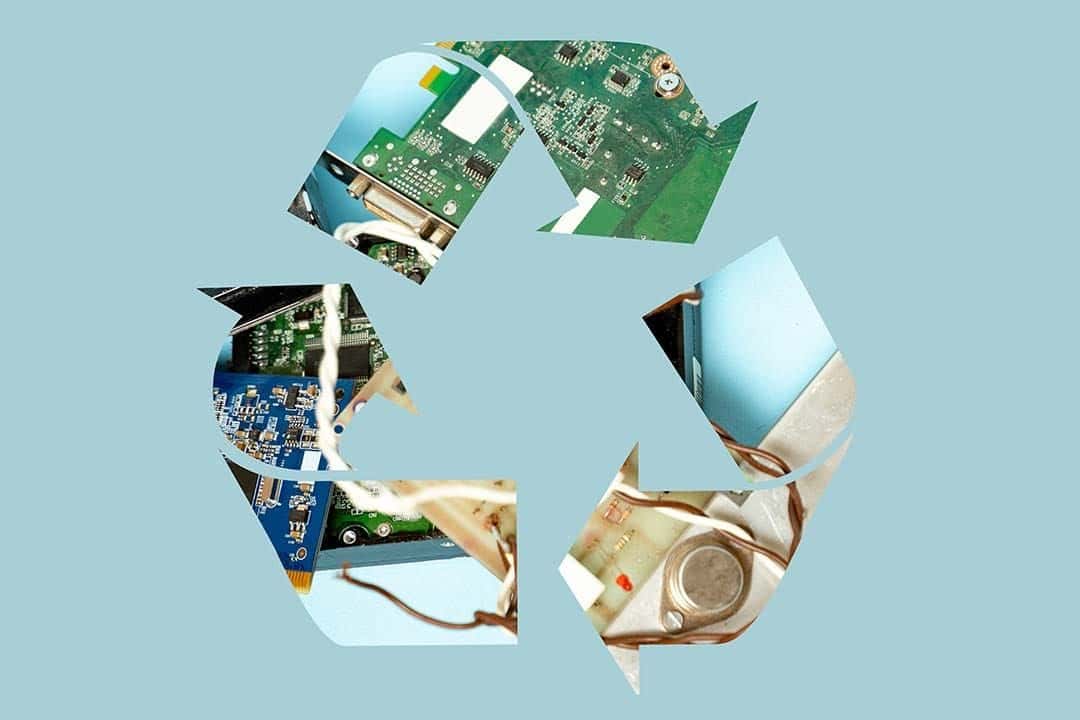
Disposing of outdated or malfunctioning business computers is more than just an IT task—it's an environmental, legal, and ethical responsibility. With the rise in global e-waste, organizations must adopt secure and sustainable disposal practices to mitigate harmful environmental impacts, safeguard sensitive data, and maximize the value of end-of-life IT assets. Proper business computer recycling isn't just a step in your waste management process; it's an investment in your brand's integrity and sustainability.
Why is Proper Business Computer Removal Important?
Environmental Protection
Improper disposal of computers leads to hazardous chemicals and heavy metals, such as mercury and lead, contaminating soil and water. Recycling computers responsibly prevents harmful e-waste from ending up in landfills, reducing environmental damage and resource depletion.
Data Security
Business computers contain sensitive information, from client data to confidential company information. Failure to properly wipe or destroy hard drives can lead to data breaches, putting both your clients and the organization at risk. Secure data destruction practices, certified through responsible e-waste management, are essential. Sustainable e-waste recycling providers should offer a traceable chain of custody and verified certificates of destruction.
Regulatory Compliance
Numerous environmental laws and industry regulations govern the disposal of electronic waste. Proper e-waste management ensures compliance with regulations such as the U.S.'s Resource Conservation and Recovery Act (RCRA), minimizing potential legal liabilities and financial penalties.
Financial Recovery
Certified e-waste recyclers can assist businesses in maximizing the residual value of retired IT assets while safeguarding the environment. With responsible recycling, your organization can recover some of its IT investment, potentially turning waste into a revenue stream. Commercial e-waste recycling operators that leverage innovative sustainability software can provide your business with the ability to track, optimize, and report your diversion metrics.
Brand Reputation
Environmental, social, and governance (ESG) refers to the three primary components that measure the sustainability and impact of an organization's business practices. Sustainable practices reflect positively on your brand. Companies that commit to responsible e-waste management demonstrate their dedication to corporate social responsibility, positively impacting public perception and client trust. Your ESG score is a third-party rating of your organization's ESG issues. Investors and stakeholders focus on this score to determine a company's ESG risk.
Sustainable e-waste recycling operators that offer comprehensive data reporting and analytics on your e-waste management efforts can help your organization lower its ESG score.
5 Steps to Take Before Recycling Your Business Computers
1. Assess and Inventory Equipment
Start by identifying the equipment that is ready for removal. Conduct an inventory to track each item, noting details such as the make, model, condition and the presence of any sensitive information. This inventory aids in planning for either recycling or refurbishing options, maximizing your IT investment.
2. Back-Up Important Data
Before disposing of any computers, back up essential data. It includes documents, databases, and proprietary software licenses. Cloud storage solutions or secure external drives can help ensure all critical information is preserved.
3. Wipe or Destroy Hard Drives
Data security is paramount. Deleting files is not enough, as data can still be retrieved. Use certified data erasure software or physical destruction methods to wipe data permanently. Certified IT Asset Disposition (ITAD) services guarantee secure data destruction.
4. Assess Reusability
Consider whether certain devices can be reused or refurbished instead of recycled. Devices with valuable components or minimal wear and tear can often be upgraded, extending their lifecycle. This approach reduces waste and can offer financial benefits if your organization sells or reuses the equipment.
5. Remove Asset Tags and Security Markings
Removing any tags, labels or security markings that identify the computer as your organization's property can help reduce potential security risks. These markings may also contain sensitive information that shouldn't be disclosed externally.
Business Computer Removal Options
1. Certified E-Waste Recycling Facilities
Certified e-waste recycling facilities adhere to strict environmental and security standards, ensuring your computers are recycled responsibly. They manage each component's breakdown, sorting, and recycling, from metals to plastics, ensuring minimal environmental impact. Consider working with an e-waste recycling provider that partners with Responsible Recycling (R2v3) certified facilities across North America to offer secure end-of-life options.
2. Manufacturer Take-Back Programs
Some manufacturers offer take-back programs that recycle or refurbish old computers. These programs can be convenient, but it is essential to verify that they meet your security and environmental standards.
3. Donation Programs
If your equipment is still functional, consider donating it to schools, nonprofits, or organizations in need. Donations not only extend the life of your equipment but also reflect positively on your company's commitment to social responsibility. However, proper data destruction should be ensured to protect sensitive information before donating.
4. Partner with a Secure ITAD Provider
For a streamlined approach, consider partnering with a certified IT Asset Disposition (ITAD) provider. An ITAD provider manages everything from data security to compliance, ensuring your e-waste removal meets regulatory and environmental standards. This solution is ideal for organizations with bulk e-waste or strict security requirements.
5. Employee Buyback Program
Offer an employee buyback program where staff can purchase retired company equipment at a reduced price. This solution not only extends the life of the equipment but also supports employee satisfaction. Ensure that the equipment undergoes data wiping or destruction before release.
Simplified E-Waste Recycling for Businesses
Managing business e-waste responsibly is essential for protecting the environment, maintaining data security, ensuring regulatory compliance, and supporting your organization's financial and reputational goals. By following best practices for computer recycling and partnering with certified recycling providers, businesses can minimize their environmental footprint, safeguard sensitive information, and contribute to a more sustainable future.
If you're looking for an easy, efficient way to manage your organization's e-waste, book a consultation with CheckSammy today to learn how we can support your industry's e-waste management needs!