Back to blog
BlogNov 21, 20245 min readBy Paul Solovyov
How Does Electronics Waste Recycling Work? A 7 Step Process
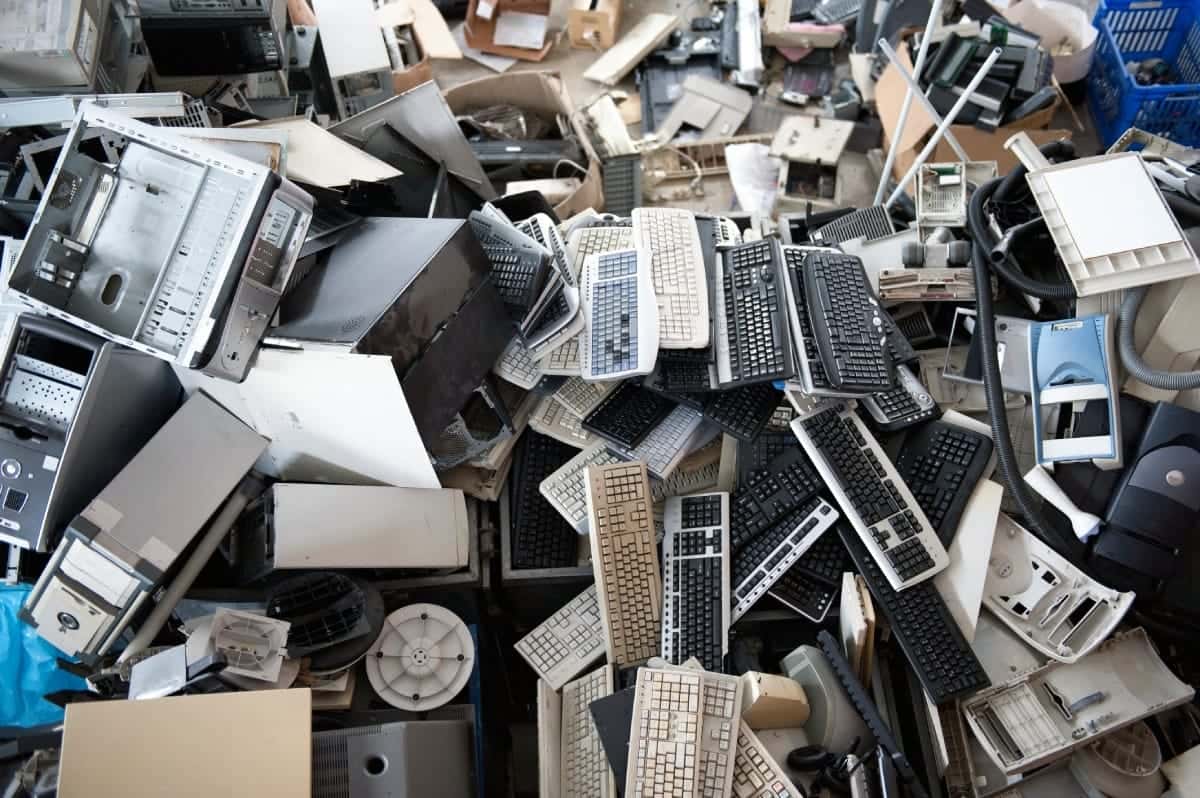
Managing electronic waste is becoming increasingly essential for organizations that prioritize sustainability. With the rapid turnover of technology, businesses frequently replace old devices, leading to significant amounts of discarded electronics. Unlike typical waste, e-waste often contains valuable materials like metals and plastics, as well as hazardous substances such as mercury and lead. By recycling these items responsibly, businesses can prevent environmental harm, recover reusable resources, and even reduce the need for raw materials. Understanding how e-waste recycling works can help organizations make informed choices, turning their discarded electronics into a step forward for sustainability.
Understanding Electronics Waste Recycling
Electronic waste recycling is the responsible way to handle discarded electronics that are no longer useful. Unlike traditional waste, electronics contain valuable materials—such as metals and plastics—and potentially harmful substances like lead, mercury, and cadmium. By recycling e-waste, we can prevent these dangerous elements from seeping into the ground while recovering useful materials that can be repurposed for new products.
For organizations, e-waste recycling presents an opportunity to take meaningful steps toward environmental stewardship and compliance with regulations. Many businesses, especially those that manage bulk electronics or frequently upgrade IT equipment, benefit from specialized e-waste recycling solutions. These services can handle secure disposal, data destruction and certified processing of electronic assets, ensuring both environmental and data security standards are met.
What Types of Electronics Can Be Recycled?
E-waste recycling programs are designed to handle a broad range of electronic devices, from everyday office equipment to specialized IT assets. Here's a list of commonly recycled items:
Computers and laptops: These include hard drives, motherboards, and other components
Mobile phones and tablets: Recover metals from the circuit boards, batteries, and glass screens
Printers and copiers: Contain plastics, metals, and sometimes even ink or toner cartridges
Servers and network equipment: High-value items for recovering precious metals
Televisions and monitors: Primarily CRT and LED screens that include glass, metals and other valuable materials
Appliances: Items like microwaves, toasters and small electronic kitchen gadgets
Audio and video equipment: Includes speakers, headphones and DVD players
Most e-waste recycling programs, especially those targeting bulk or commercial clients, are equipped to handle this diversity. They ensure each type of electronic device is processed to maximize material recovery while safeguarding the environment.
The Electronic Waste Recycling Process
Recycling electronic waste involves a meticulous, multi-step process to separate, recover, and safely dispose of various components. Here's a breakdown of how e-waste recycling works:
Step 1: Collection
The process begins with the collection of unwanted or outdated electronics. For commercial or bulk e-waste, this typically involves scheduling pickups or arranging drop-offs with a certified e-waste recycler. CheckSammy has Sustainability Hubs nationwide to help your business handle bulk e-waste efficiently. With our Mailback Program, CheckSammy offers a convenient and affordable solution for businesses of all sizes to recycle e-waste responsibly. Simply pick your box size, fill it and send it back to us with the prepaid shipping label, and we'll handle the rest!
Step 2: Sorting and Assessment
Once collected, the e-waste is sorted by type and assessed to determine whether any items can be refurbished or repurposed. Devices in good condition might be suitable for refurbishment and resale, while items that are too outdated or damaged move forward for recycling. This step helps minimize waste by prioritizing reuse before recycling.
Step 3: Data Destruction
For businesses, secure data destruction is a critical component of e-waste recycling. Devices like hard drives and smartphones may contain sensitive information. Certified recyclers use advanced techniques such as shredding or degaussing to ensure that all data is irreversibly destroyed, safeguarding sensitive information and maintaining regulatory compliance.
Step 4: Dismantling
After data destruction, electronics are dismantled. Skilled technicians disassemble each device, separating valuable components and materials. For example, plastics, glass, metals, and hazardous materials are removed and categorized for further processing. This meticulous dismantling process helps maximize the recovery of reusable materials while isolating harmful substances.
Step 5: Material Recovery
The separated materials—plastics, metals, and glass—undergo specific recovery processes. Metals like copper, gold, and aluminum are extracted from circuit boards, wiring, and other parts, while glass from screens and plastics from casings are also salvaged. By recovering these materials, recyclers can reduce the need for virgin resources, conserving natural resources and energy.
Step 6: Hazardous Material Management
Electronics often contain hazardous substances, such as lead from CRT screens or lithium from batteries. Properly managing these materials is essential to prevent environmental contamination. Recyclers use specialized processes to safely handle and dispose of or neutralize these dangerous components, ensuring they don't end up in landfills.
Step 7: Final Disposal
After all valuable and hazardous materials have been extracted, the remaining waste—often minimal—is disposed of in compliance with environmental regulations. This step ensures that only non-recoverable materials are sent to landfills, further reducing the environmental impact of electronic waste.
Simplify Electronic Waste Recycling with CheckSammy
At CheckSammy, we know that managing e-waste sustainably is more than just good practice; it's a responsibility. As the world's largest bulk waste and sustainability operator, we offer commercial and bulk e-waste recycling solutions for businesses of all sizes. Our services include secure e-waste recycling and Certified IT Asset Disposition (ITAD), which addresses every step, from data destruction to certified recycling of end-of-life electronics.
By partnering with CheckSammy, businesses can streamline their e-waste management, benefiting from an end-to-end solution that guarantees secure disposal, regulatory compliance and environmental stewardship. Whether you want to dispose of old IT assets responsibly or need a large-scale e-waste recycling solution, we're here to help you achieve your sustainability goals.
Ready to simplify your e-waste management? Book a consultation with CheckSammy today, and let us support your industry's commitment to a greener, more sustainable future!