Back to blog
BlogNov 23, 20245 min readBy Paul Solovyov
Commercial Waste Collection Costs: A Pricing Guide
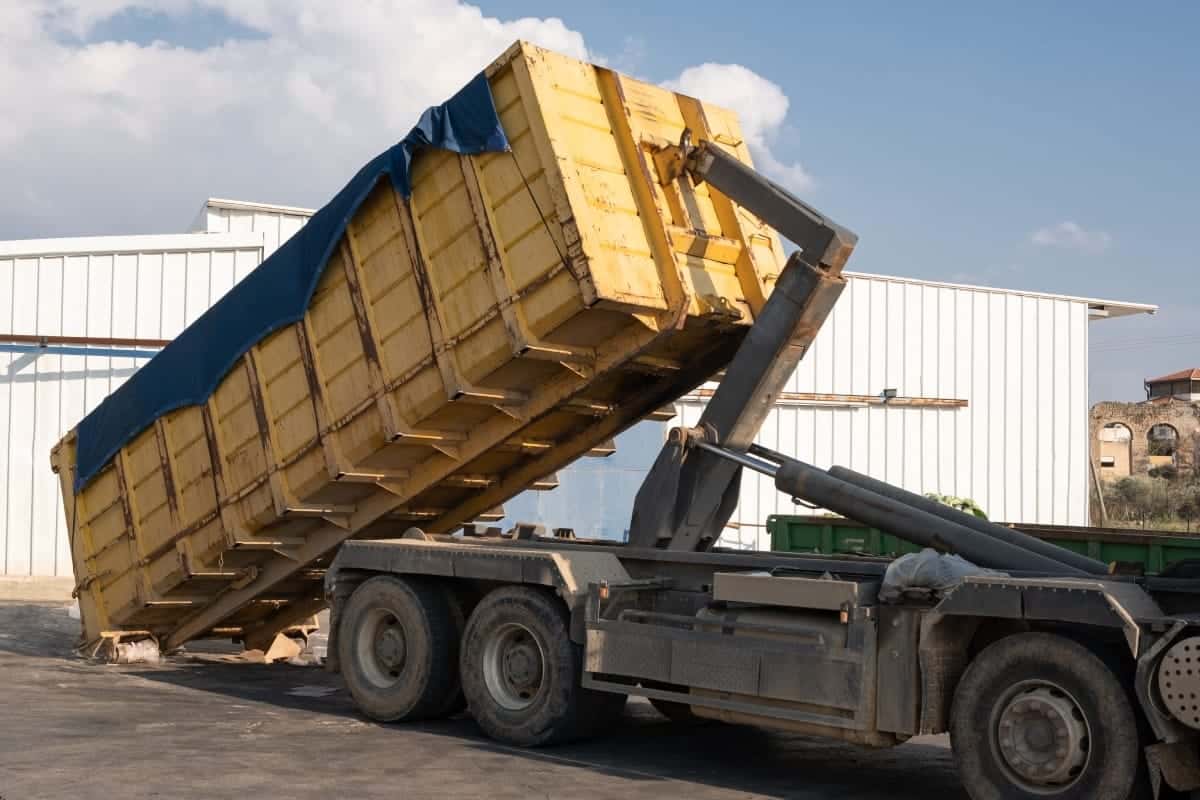
Managing commercial waste goes beyond just keeping your business clean—it plays a crucial role in streamlining operations, controlling costs and supporting environmental goals. Waste collection costs can vary widely, depending on factors like waste type, volume and collection frequency. By gaining insights into these cost factors, organizations can implement waste management strategies that align with their operational needs and environmental goals, ultimately reducing waste-related costs while promoting sustainability.
What Falls Under Commercial Waste?
Commercial waste is any waste generated by business operations, from daily trash to industry-specific by-products. This type of waste encompasses a wide range of materials, including packaging, recyclables and hazardous substances. Commercial waste often requires adherence to specific regulations based on industry requirements and local laws.
Types of Commercial Waste
Recognizing the types of waste your business generates is essential for choosing the right waste management strategy, as each category has distinct disposal needs. Here's an overview of common types of commercial waste:
General Waste
This category includes non-recyclable items like contaminated paper, certain plastics and mixed materials. They often end up in landfills or incineration facilities, which may lead to higher costs due to environmental fees and landfill taxes.
Recyclables
Recyclables include materials that can be processed for reuse, such as clean paper, cardboard, glass, certain plastics and metals. Recycling these items often reduces disposal costs and supports sustainability efforts, aligning with many businesses' environmental goals.
Organic Waste
Organic waste encompasses food scraps and other biodegradable materials, which are especially common in the hospitality, food service and agricultural industries. Organic waste can often be composted, lowering the burden on landfills and potentially reducing disposal costs.
Hazardous Waste
This category includes chemicals, batteries, medical waste and other substances that require special handling due to health and environmental hazards. The disposal of hazardous waste is highly regulated and typically incurs higher costs due to the specialized processes required to handle and dispose of it safely.
Electronic Waste
Electronic waste (e-waste) includes discarded electronics such as computers, printers, mobile devices and other equipment containing electronic components. It is an increasingly prevalent type of commercial waste that requires special handling due to hazardous materials like heavy metals and plastics.
Textile Waste
Textile waste is generated by businesses in industries like fashion, hospitality and manufacturing. This includes used uniforms, damaged merchandise, discarded fabrics and other textile by-products. Although textile waste is often overlooked, it can be recycled or repurposed in various ways.
Demolition Waste
Demolition waste, also known as construction and demolition (C&D) debris, includes materials like concrete, bricks, metals, wood and other remnants from construction or demolition activities.
Knowing what types of waste your business generates can guide you in selecting the most cost-effective waste management strategy and service provider. CheckSammy is the world's largest bulk waste and sustainability operator. Our waste audit services can help your organization develop a commercial waste removal strategy based on data-driven insights. We can sort, categorize waste and uncover recycling and cost-saving opportunities. From e-waste and textile waste to organic waste and sustainable demolition, CheckSammy can tailor a waste management solution to fit your business.
What Factors Determine Commercial Waste Collection Costs?
The cost of commercial waste collection varies based on several specific factors. Below are the primary determinants of commercial waste costs.
Waste Volume and Frequency of Collection
The amount of waste produced by your business and how often it requires pickup are significant cost drivers. Businesses that generate high volumes, like restaurants and retail stores, often need more frequent collections, which increases costs. For businesses with smaller volumes, reducing pickup frequency may lead to savings. CheckSammy's Mailback Recycling Program offers businesses of all sizes the easiest and most affordable way to recycle. Simply pick your box size, fill it, and return it to us with the prepaid shipping label—we'll handle the rest!
Waste Type
Different waste types have different disposal costs. Hazardous and medical waste generally require special handling and disposal, which makes them more expensive to process than general waste. Recycling waste, on the other hand, may be more affordable because it supports sustainability initiatives and often incurs lower disposal fees.
Location of the Business
Your business's location impacts collection costs based on the proximity to waste processing facilities. Remote areas or those far from landfills and recycling centers often face higher transportation fees. Conversely, urban areas might benefit from competitive pricing due to easier access to disposal facilities. With CheckSammy, our vast network of Sustainability Hubs spread out across North America makes it easy and affordable for organizations to reach their waste diversion goals.
Container Size and Type
The size and type of container used for waste collection also play a role in costs. Larger containers can hold more waste and may reduce collection frequency, but they come with higher rental fees. Specialized containers, like those for hazardous waste or recyclables, may also affect costs due to specific handling requirements. CheckSammy's Open Top Container Solutions are available in a wide range of sizes to suit your waste removal needs.
Labor and Transportation
Waste collection costs are also influenced by the labor and transportation involved. For example, if waste collection requires additional staff or specialized vehicles, those costs will be passed on to the business. This is especially relevant for businesses that generate bulk waste or hazardous materials, which require special handling.
Affordable Commercial Waste Removal from CheckSammy
As the world's largest bulk waste and sustainability operator, CheckSammy is committed to supporting organizations across all industries with affordable, innovative solutions for data-driven waste removal. Our on-demand and subscription-based options are 30-40% below other national competitors—we can also price match to ensure your needs are met! With CheckSammy, there are no hidden fees to worry about. Our detailed reporting offers customized metrics for your organization as part of the package. Book a consultation with CheckSammy today to explore how we can help achieve your industry's sustainability goals!