Back to blog
BlogDec 17, 20247 min readBy Sally Rosauer
Turning Waste Diversion Challenges into Sustainability Wins for Grocery Companies
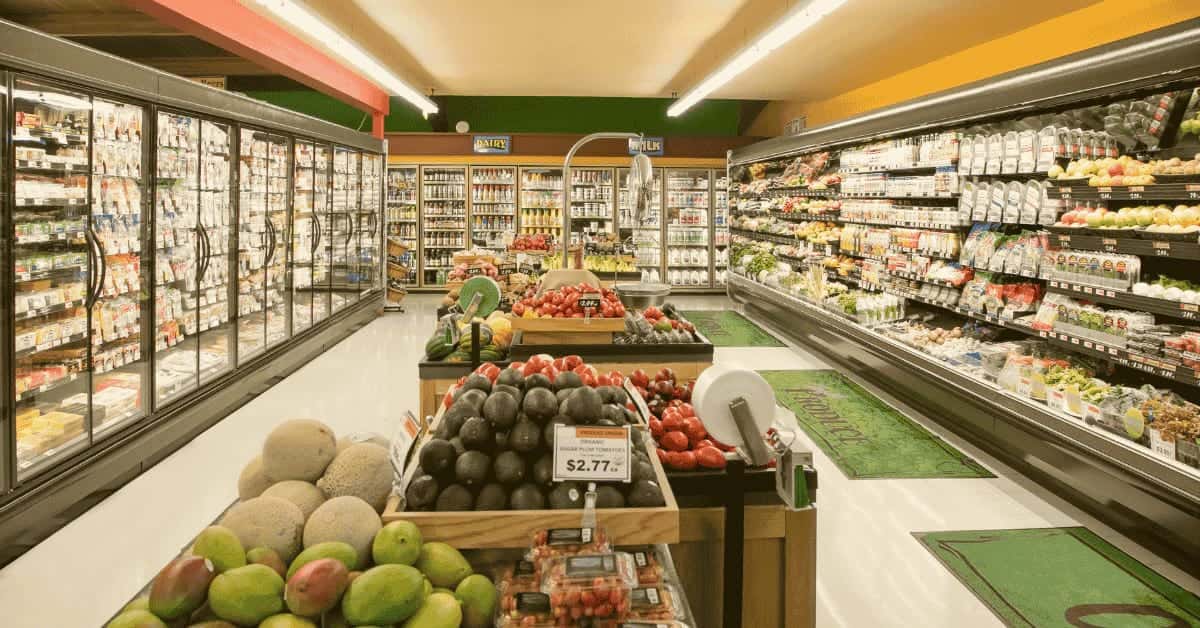
Grocery companies play a pivotal role in reducing the environmental impact of food systems and supply chains, which are major contributors to global emissions. To drive change, industry leaders are stepping up and diverting food waste and other materials from landfills, and advancing their recycling programs. These waste diversion efforts are making a tangible impact in cutting carbon emissions and shrinking environmental footprints.
But the challenge of diverse grocery waste streams – food waste, plastics, cardboard, e-waste, metals, and textiles – are combined with the logistical complexities of implementing and managing programs across thousands of geographically distributed store locations.
Meeting business goals, regulatory requirements, and consumer expectations takes innovative, scalable solutions powered by strong nationwide partnerships and actionable data.
Why Waste Diversion Goals Matter
For grocery companies, waste reduction isn’t just about sustainability, it’s about addressing the challenge of handling high volumes of perishable goods and packaging materials. By focusing on waste diversion, you show leadership by cutting the emissions tied to food production, transportation, and disposal while reducing the strain on landfills.
Meet Environmental Compliance Standards
Regulations and stakeholder expectations have never been higher for grocery companies. Detailed ESG reporting and verified environmental compliance are now standard. But through targeted waste reduction initiatives, you can meet requirements, demonstrate accountability, and position your company as an industry leader.
Reduce Costs and Streamline Operations
Effective waste reduction simplifies your operations and delivers financial benefits straight to your bottom line. By committing to landfill diversion programs, you’ll lower disposal costs, optimize your supply chain, and free up valuable resources for other high-impact priorities.
Increase Loyalty with Eco-Conscious Shoppers
Reducing waste is also a strategic business move. Today’s consumers increasingly choose to shop with companies that embrace – and showcase – their sustainable practices. Leading in landfill diversion and waste reduction strengthens your competitive position and builds long-term loyalty with eco-conscious shoppers.
Waste reduction and diversion benefits are clear. The results span factors from a positive environmental impact to increasing consumer loyalty, ensuring regulatory compliance, and streamlining operational efficiency. But achieving your goals is a complex undertaking. It takes a new, unified approach, consistent execution, and a commitment to continuous improvement.
The most effective way to move forward is to take waste diversion goals step by step. Make improvements in stages to build momentum and drive lasting results.
Solving the Complexity of Achieving Waste Reduction Goals
Waste reduction goals are tied to a web of interconnected challenges that impact your entire operation. From diverse regional reach to complex waste streams, you’ve got to create an integrated, holistic approach to achieve measurable progress.
Scaling Waste Solutions Across Locations
Managing waste diversion across hundreds or even thousands of locations takes expert logistical coordination. Each of your stores has varying regional regulations, operational demands, and constraints. Without a carefully architected and unified solution, your efforts become plagued with inefficiencies like inconsistent service quality, service gaps, and redundant contracts that quickly stall your progress.
Addressing the Complexities of Diverse Waste Streams
Grocery stores generate waste as varied as the products on their shelves: food waste, plastics, cardboard, metals, textiles, and e-waste – each with unique handling requirements. Food waste can be composted or converted into biofuel, but requires careful separation and storage. Textiles often need debranding and require large-volume aggregation, while e-waste demands secure destruction.
Lack of Data Transparency
Historically, the waste industry has lacked transparency. That left blind spots and made it difficult to pinpoint inefficiencies and track progress. Without clear and accurate data, it’s nearly impossible to know if your diversion efforts align with hitting your goals. Real-time, verified data is an essential element for uncovering opportunities, showing progress to stakeholders, and building trust with regulators, investors, and consumers alike.
Partner Collaboration Challenges
Choosing the right partner is a critical decision. Many providers focus only on specific materials like cardboard or plastics, or their services cover limited geographic areas. Few can deliver the comprehensive, end-to-end solutions and scalable logistics infrastructure that grocery companies need in order to manage all waste streams at scale.
Interrelated Challenges Require an Integrated Approach
Your waste challenges don’t exist in isolation – they amplify each other. Solutions that can’t provide nationwide logistics unnecessarily complicate managing diverse waste streams. If you lack data – or only have limited data access – it’s harder to spot and correct inefficiencies in your processes.
This all adds up to a cycle that stalls progress toward your sustainability goals. Breaking free starts with a partner who can address these challenges holistically – bringing logistics, data, and expertise into one cohesive strategy.
Your Path to Waste Diversion Success
Overcoming grocery waste challenges requires systems that are built for long-term success. By streamlining operations and reducing environmental impact, you’ll deliver measurable results – and transform waste challenges into opportunities for leadership and profitable growth.
Comprehensive and Scalable Waste Diversion
CheckSammy’s nationwide network of vetted partners and strategically placed Sustainability Hubs ensures consistent, reliable service across all your locations. By minimizing the distance your materials travel, our Sustainability Hubs reduce transportation-related emissions while efficiently diverting hard-to-recycle items like textiles, e-waste, and food waste – anywhere in the nation.
Rapid Emergency Response
In the grocery business, unexpected events are part of daily operations. Whether it’s food recalls, storm-related power outages, or illegal dumping, these issues hit without warning. Our extensive coverage across North America enables us to respond exactly when you need us – 98% of the time we’re there the same day, giving you confidence and peace of mind in any situation.
Maintaining a Clean and Welcoming Environment
Waste diversion is vital, but keeping your stores clean and inviting is just as critical for delivering a positive shopping experience. Our power washing and commercial cleaning services ensure spotless interiors and exteriors. From storefront sidewalks and dumpster areas to vestibules, fixtures, and deep cleaning kitchens and restrooms, we keep every part of your store looking its best.
Using Data to Drive Sustainability
Transparent, actionable data is the backbone of effective diversion programs. That’s why we developed Veridiant – an advanced analytics platform that brings Sustainability as a Service to life. Veridiant gives you real-time access to detailed data and analytics. It empowers you to track progress, improve performance, and achieve your diversion goals.
Verified data helps you uncover inefficiencies at the source, refine your processes, and build momentum through continuous improvement. From launching textile recycling programs to working toward zero-waste targets, Veridiant turns your metrics into actionable insights.
Our certificates of diversion and destruction ensure every effort is fully documented and auditable, so you can meet reporting responsibilities and show progress to stakeholders – including regulators, investors, and consumers – with full transparency and accountability.
Strategic Consulting and Custom Solutions
Achieving your sustainability goals requires strategies designed around your unique business and operational processes – not a one-size-fits-all approach. Through strategic consulting, we help you plan and implement targeted waste reduction and diversion programs that are designed around your needs.
Our waste audits are the foundation for progress. By analyzing waste streams at their source, we uncover your high-impact opportunities to improve efficiency, prioritize reduction efforts, and maximize diversion.
But waste audits are just the starting point. Our consulting services turn those insights into action, developing scalable programs that address each of your challenges. From managing seasonal surges and planning store refreshes to building cohesive, nationwide diversion solutions, we align operational strategies with your long-term environmental goals – allowing you to focus your resources where they’ll make the greatest impact.
Achieving Progress Through Collaborative Partnership
Reaching ambitious environmental goals is no small task. But working hand-in-hand with a trusted partner, the complexities of waste reduction and diversion become opportunities to achieve measurable results and take continuous improvement steps toward your targets.
Together, we can deliver sustainable change that aligns with your business objectives and reinforces your commitment to environmental leadership. Talk to us today to learn more.