Back to blog
BlogJan 15, 20259 min readBy Kelly Russell
Is Styrofoam Recyclable? Challenges and Solutions in EPS Recycling
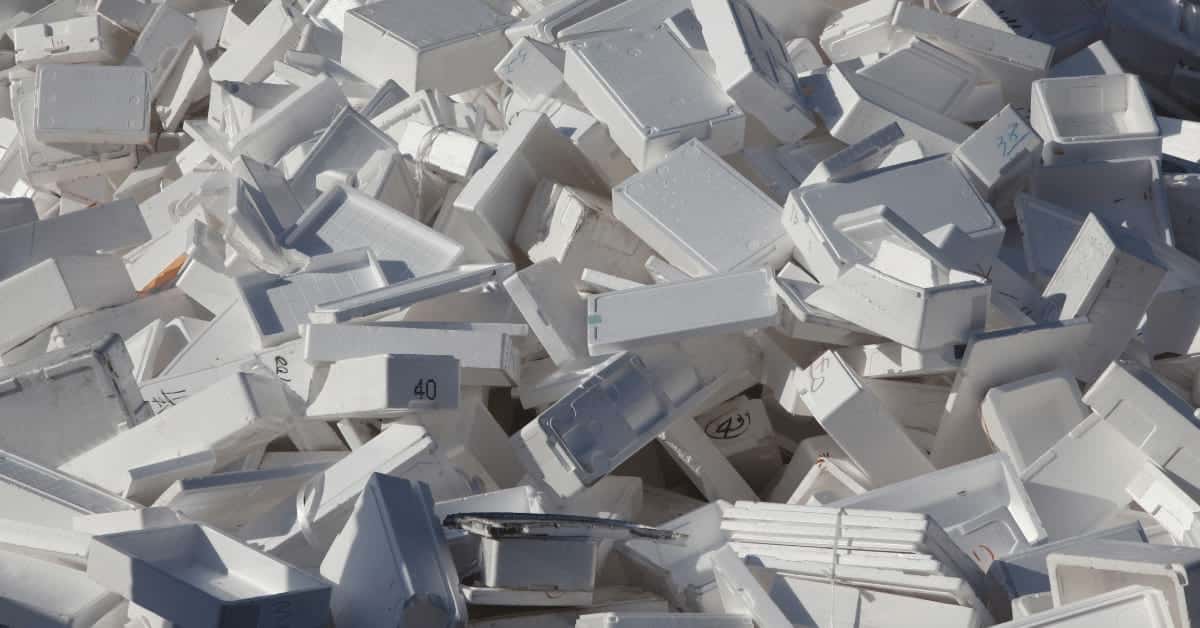
Is Styrofoam recyclable? If your business handles large amounts of Styrofoam packaging, you've probably wondered how to deal with all that waste. Expanded polystyrene foam (EPS), or Styrofoam, is something we interact with daily—whether it's protecting products during shipping, insulating goods, or keeping things at the right temperature.
We rely on EPS all the time, but we can work together to address its environmental challenges. Being non-biodegradable and so lightweight, EPS often slips through waste systems and ends up in landfills, waterways, or oceans, adding to microplastic pollution. The good news? Styrofoam can be recycled—it just takes a bit of effort and the right infrastructure. With more sustainable solutions becoming available, the answer to "Can we recycle Styrofoam?" is a clear yes—if we take the right steps together.
Understanding Styrofoam (EPS) and Its Environmental Impact
EPS is incredibly versatile, but not all types are easy to recycle. If you're wondering whether your Styrofoam can be recycled, it helps to know the differences:
White EPS: The kind used in packaging – it's the easiest to recycle when it's clean and dry.
Colored EPS: Dyes and pigments make recycling tougher and require specialized processes.
Food-grade EPS: Think takeout containers or disposable cups. If there's food or grease, it complicates recycling.
XPS (Extruded Polystyrene): Often found in construction materials like insulation boards, it's denser and usually down cycled into lower-grade materials.
When EPS isn't disposed of properly, it creates serious problems. It breaks down into microplastics that harm ecosystems and wildlife; if burned, it releases toxic chemicals. However, when prepared correctly and sent to the right programs, recycling can keep EPS out of landfills.
For businesses aiming to reduce their footprint, recycling Styrofoam is more than just a way to manage waste—it's a chance to make a real environmental impact.
The Challenges of Recycling EPS—and How We Can Solve Them
Recycling Styrofoam isn't exactly simple. It's lightweight, bulky, and often messy. But by working together and using the right tools, we can make it happen.
Bulk and Lightweight Nature: Since EPS is 98% air, it's expensive to store and transport. Even compacting it requires special equipment, which many places don't have.
Limited Recycling Infrastructure: Many recycling facilities won't take Styrofoam because it's hard to handle and often contaminated.
Contamination Issues: Food residue, grease, tape, or labels can make Styrofoam impossible to recycle if not removed.
Cost vs. Value: Recycling EPS isn't cheap, and the end product often doesn't justify the cost, which makes investments in recycling infrastructure less appealing.
Despite these challenges, solutions are emerging. It's now easier for businesses and individuals to access EPS recycling solutions.
The Life Cycle of EPS: From Creation to Recycling
The Styrofoam you see every day starts as tiny petroleum-based beads. These beads are expanded with steam and pentane gas to create the lightweight foam that's used for packaging, insulation, and disposable containers.
Once used, EPS typically follows one of two paths. It escapes waste systems due to its light nature and ends up in landfills or waterways, breaking into harmful microplastics. Or, in rare cases, it gets recycled. Clean EPS can be shredded, densified, and turned into new products like picture frames, construction insulation, or even more EPS packaging.
Recycling EPS reduces emissions, saves resources, and supports a circular economy. By asking, “Can we recycle Styrofoam?” and taking action, businesses and individuals can help extend its lifecycle responsibly.
Real-World Success Stories: Making EPS Recycling Happen
Recycling EPS may seem like a big task, but plenty of communities and organizations are stepping up. For instance, the Foam Recycling Coalition (FRC) has helped cities set up foam densifiers to make recycling easier. Their work has given millions more people access to EPS recycling, and recycling rates have nearly doubled in recent years.
Then there's Foam Cycle, which collaborates with municipalities to implement turnkey recycling systems, enhancing EPS recycling accessibility and aiding local governments in managing Styrofoam waste more effectively. Operating in 29 cities, Foam Cycle has expanded consumer access to EPS recycling by approximately 11.5 million individuals.
Globally, countries like Taiwan and South Korea are leading the charge. According to the Global EPS Sustainability Alliance, these countries recycle over 80% of their EPS. Here in North America, a survey by the EPS Industry Alliance found that 168 million pounds of EPS were recycled in 2022, showing just how much progress is being made.
The bottom line? Recycling EPS isn't just a dream—it's happening right now. And the more we support these kinds of initiatives, the closer we get to a world with less waste and more sustainable solutions.
How to Prepare EPS for Recycling: A Step-by-Step Guide
Want to make sure your Styrofoam gets a second life? It's easier than you might think, and taking the time to recycle it properly makes a big difference in keeping it out of landfills.
Step 1:
The first step is figuring out which types of EPS can be recycled. Clean, dry foam packaging and insulation are typically accepted, while food-contaminated or wet Styrofoam usually isn't. If you're dealing with takeout containers or coffee cups, check for leftover food or grease—these contaminants can make recycling impossible. Luckily, a quick rinse with warm water and mild soap, followed by thorough drying, can often solve this problem. Don't skip this step—clean foam is key to successful recycling.
Step 2:
Once the foam is clean, it's time to remove any tape, labels, or stickers stuck to it. These materials can mess up the recycling process if left behind, so take a few extra minutes to peel them off. After that, make sure the foam is completely dry. Moisture can cause contamination during processing, so double-check that everything is dry before moving forward.
Step 3:
Sorting your EPS is another important step. White EPS, like the foam used in product packaging, should be separated from colored EPS or XPS (extruded polystyrene). Mixing different types can cause contamination, which reduces the quality of the recycled material. Keeping them separate ensures the recycling process runs smoothly and efficiently.
Step 4:
If you have access to a densifier or compactor, use it to reduce the foam's bulk. Since Styrofoam is 98% air, compressing it into blocks or bales makes it much easier to transport to recycling facilities. Don't have that kind of equipment? No worries—there are specialized services that can handle pickup and logistics for you, ensuring your foam gets to the right facility for responsible recycling. If you're handling it on your own, it's crucial to find the right recycling facility for your prepared EPS. Not all recycling centers accept Styrofoam, so it's worth taking a moment to search for one near you. Some municipalities have drop-off locations specifically for foam recycling, while others may offer curbside pickup. Knowing where to take your foam ensures it gets processed correctly and doesn't end up in the wrong place.
By following these steps, we can all do our part to ensure Styrofoam waste is recycled responsibly. Avoid common mistakes like recycling dirty or wet foam, mixing types of EPS, or assuming every center will accept it. When we recycle correctly, we're not just reducing waste—we're helping build a more sustainable future.
What Can You Do About EPS Recycling?
Wondering how you can make a real difference with EPS recycling? It starts with small but meaningful steps. First, consider swapping Styrofoam for more sustainable alternatives whenever possible. Biodegradable or reusable materials, like compostable packaging or durable containers, are excellent options that can help reduce waste right from the start.
Of course, sometimes Styrofoam is unavoidable. In those cases, recycling it responsibly is key. Make sure your EPS is clean, dry, and sorted properly to avoid contamination that could derail the recycling process. A little extra effort—like rinsing out food containers or removing labels—goes a long way toward ensuring your Styrofoam gets processed effectively.
If your business handles large amounts of Styrofoam, managing it all on your own can feel overwhelming. That's where expert services come in. They handle the hard parts—pickup, logistics, and processing—allowing you to focus on running your business while ensuring your waste is managed sustainably.
Another impactful step is conducting a waste audit. By evaluating your current waste management practices, you can identify areas where waste can be reduced, reused, or recycled more effectively. This not only minimizes environmental impact but also helps uncover cost-saving opportunities within your operations.
Every step we take to recycle Styrofoam helps reduce waste, protect the environment, and move us closer to a circular economy. By making these changes, we're not just managing waste; we're creating a world with less of it and setting the stage for a more sustainable future.
Increase Your Landfill Diversion Rate: Start Recycling EPS Today
Have you ever wondered how Styrofoam recycling can make a real difference in reducing waste? It is vital in improving landfill diversion rates and moving us closer to a circular economy. While EPS recycling isn't without challenges, every step you take helps reduce waste and create positive change.
By properly preparing your Styrofoam waste—cleaning, sorting, and ensuring it's ready for processing—you set the foundation for effective recycling. Partnering with innovative recycling programs makes the process smoother, ensuring your EPS is handled responsibly.
Choosing sustainable alternatives where possible and recycling the Styrofoam you do use can significantly cut down on operational waste for your business. These actions don't just reduce your environmental impact—they also help boost your landfill diversion rates, showing your commitment to sustainability and better waste management.
Ready to start recycling smarter? Learn more about CheckSammy's solutions. Our cost-effective, convenient services help you save time, reduce waste, and achieve your sustainability goals—all while providing data-driven insights to improve your environmental impact.