Back to blog
BlogJan 15, 20254 min readBy Paul Solovyov
9 Sustainability Trends for 2025: What to Expect
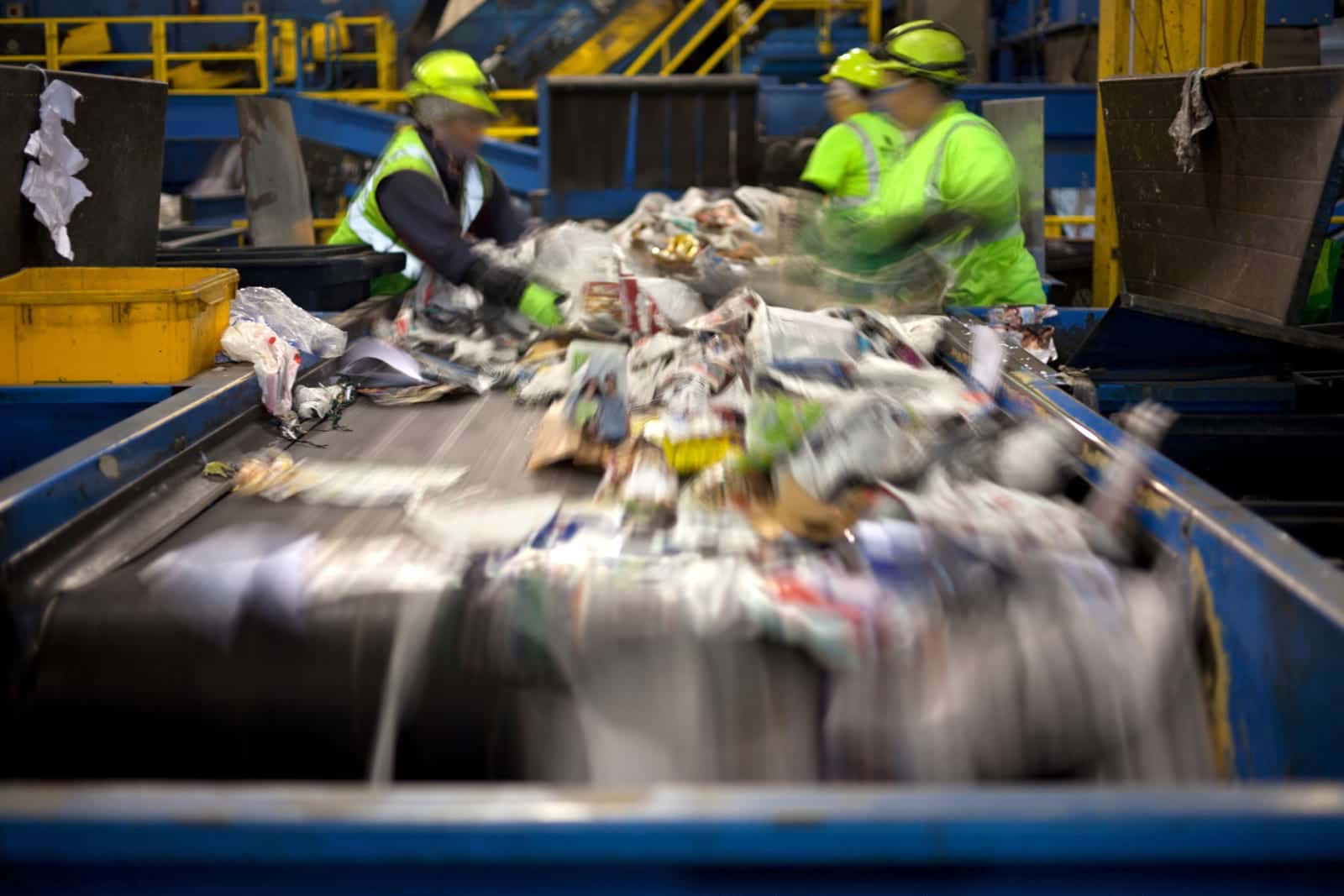
Sustainability is becoming a defining factor in how organizations operate and plan for the future. Businesses face mounting expectations to adopt practices that reduce waste, conserve resources, and address environmental challenges in measurable ways. As these pressures grow, sustainability is shifting from a peripheral concern to a core element of business strategy. Companies that proactively adapt to this evolving landscape are finding opportunities for innovation, resilience, and growth. Here are nine sustainability trends to look forward to in 2025:
1. Elevated Focus on ESG Reporting
Environmental, Social, and Governance (ESG) factors are shaping how organizations are measured and valued. In 2025, companies are expected to go beyond surface-level commitments, offering comprehensive and quantifiable ESG reports. Stakeholders demand transparency and accountability, making data-backed reporting a vital tool for gaining investor confidence and customer trust. For businesses, enhancing ESG efforts will require integrating sustainable practices at every level—from sourcing and operations to waste management.
2. Circular Economy Initiatives Gaining Momentum
The shift from a linear "take-make-dispose" economy to a circular model is accelerating. In 2025, the emphasis will be on extending the lifecycle of materials through reuse, refurbishment, and recycling. Businesses are exploring innovative ways to minimize waste and repurpose products.
This shift presents opportunities for industries to rethink their supply chains. Bulk waste management services that incorporate circular economy principles can help companies meet their sustainability goals while reducing costs associated with disposal and sourcing new materials.
3. Climate Resilience Becoming a Business Imperative
Climate change is not just an environmental issue but a direct business risk. Rising global temperatures, extreme weather events, and resource scarcity are pushing organizations to integrate climate resilience into their strategies. Expect to see more companies prioritizing renewable energy, water conservation, and sustainable waste solutions.
Waste management plays a critical role in climate resilience. By diverting waste from landfills and adopting eco-friendly disposal practices, companies can significantly cut down greenhouse gas emissions and contribute to a more sustainable future.
4. Technology-Driven Waste Solutions
Advanced technology is revolutionizing waste management. In 2025, businesses will increasingly rely on data analytics, IoT, and AI to optimize waste tracking and disposal. Smart sensors, for instance, can monitor waste levels in real time, while AI can identify the best recycling methods for specific materials.
Technology-driven solutions empower organizations to make informed decisions, enhance efficiency, and reduce operational costs. Partnering with sustainability operators that provide tech-integrated services ensures businesses stay ahead in adopting smart waste management systems.
5. Regulatory Pressure to Reduce Landfill Dependence
Governments worldwide are tightening regulations to address landfill overuse. In 2025, stricter policies will encourage companies to adopt responsible waste disposal methods. Compliance will no longer be optional but a critical component of business operations. Organizations must proactively adopt strategies like material recovery, donation programs, and efficient waste segregation to align with these regulations.
6. Sustainability as a Core Brand Value
Sustainability is emerging as a crucial factor that sets businesses apart in the marketplace. In 2025, brands that champion eco-friendly practices will gain a competitive edge. Consumers are gravitating toward businesses that demonstrate genuine commitments to environmental stewardship.
Incorporating sustainability into brand storytelling, from ESG goals to waste reduction achievements, builds trust and attracts eco-conscious customers. Companies can leverage their sustainability efforts as a tool for growth and brand loyalty.
7. Decarbonizing Supply Chains
Decarbonization efforts are extending beyond company operations to entire supply chains. By 2025, businesses will focus on reducing Scope 3 emissions—the indirect emissions in their supply chains. Collaboration with vendors and suppliers to adopt sustainable practices will become the norm. By diverting waste from landfills and recycling materials, businesses can significantly lower their carbon footprint and contribute to the global decarbonization effort.
8. Rise of Industry-Specific Sustainability Strategies
One-size-fits-all approaches to sustainability are being replaced by tailored strategies. Different industries have unique waste profiles and environmental challenges. In 2025, businesses will demand custom solutions aligning with their needs.
Sustainability operators that provide industry-specific waste management and ESG services are invaluable in addressing these challenges effectively. These services enable organizations to tackle their unique sustainability goals with precision and impact.
9. Collaboration in Sustainability Efforts
Collaboration between businesses, governments, and nonprofits will define sustainability efforts in 2025. Joint initiatives to address shared environmental challenges will create greater impact and drive systemic change.
Organizations can play a proactive role by partnering with expert sustainability providers that facilitate collaboration. Solutions like Mailback Programs and community-driven recycling campaigns will see greater adoption.
Practical Sustainability Services from CheckSammy
We deliver practical solutions that help businesses achieve their sustainability goals. Our nationwide services include comprehensive bulk waste removal, and specialized recycling services backed with detailed data and analytics to support your diversion reporting needs.
Book a consultation with CheckSammy today to learn how we can support your sustainability goals!