Back to blog
BlogJan 15, 20258 min readBy Paul Solovyov
What is Textile Recycling? A Complete Guide
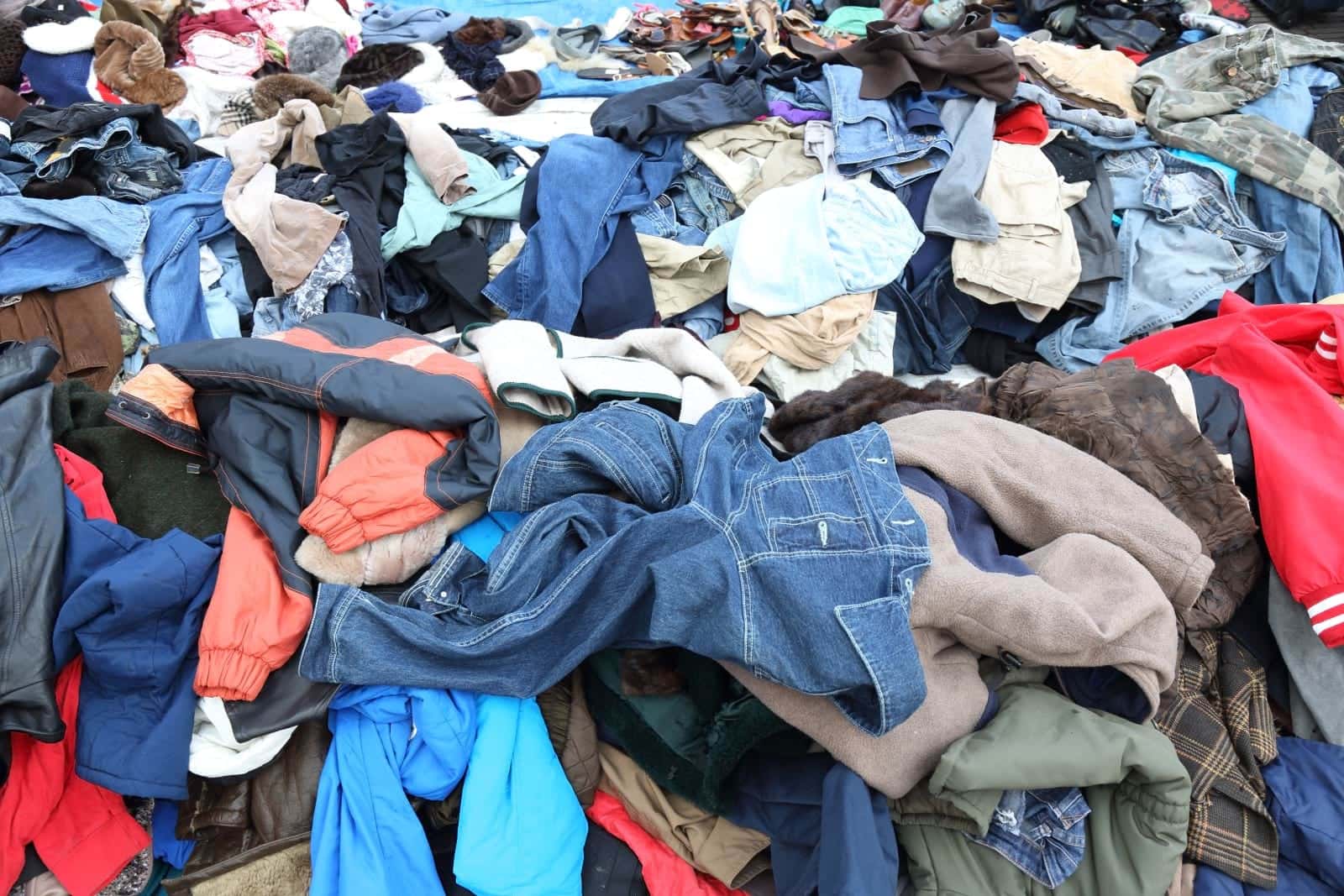
What is Textile Recycling? A Complete Guide
Textile recycling is a transformative solution to one of the world's growing environmental challenges: textile waste. Every year, millions of tons of textiles—ranging from discarded clothing to industrial fabric scraps—are sent to landfills or incinerated, contributing to pollution and resource wastage. While sustainability has gained momentum across industries, the often-overlooked issue of textile waste calls for innovative solutions. Textile recycling isn't just about repurposing old fabric; it's about creating a circular economy where textiles are reused, reducing their environmental footprint. By embracing textile recycling, businesses can play a pivotal role in promoting sustainability and reducing waste.
Understanding Textile Waste Recycling
Textile waste recycling involves repurposing discarded textiles to prevent them from ending up in landfills. This process encompasses a range of materials, including clothing, linens, curtains, and fabric scraps. The recycling process aims to convert old, unused, or damaged textiles into new products, raw materials, or energy sources. The focus on textile recycling has increased in recent years as a wide range of industries recognize its potential to mitigate the environmental impact of textile production and disposal.
Why is Textile Recycling Important?
Approximately 17 million tons of textiles end up in landfills each year. Incredibly, 95% of those textiles are reusable or recyclable. Textile recycling helps reduce the environmental toll caused by landfilled textiles, which release harmful greenhouse gases as they break down. It conserves valuable resources, such as water and energy, that are consumed in the production of virgin textiles. Recycling also lessens pollution from textile dyeing and treatment processes, which are a major source of water contamination. Also, the textile recycling industry creates economic opportunities by generating jobs in collection, sorting, and manufacturing, which support local economies.
How Does Textile Waste Recycling Work?
The textile recycling process begins with collection from various sources, such as businesses, donation bins, and waste management facilities. Once collected, textiles are sorted by type, condition, and material composition. Usable textiles may be refurbished or donated, while damaged ones are earmarked for recycling. Depending on the material, textiles are processed through shredding, pulping, or other methods to create reusable fibers or raw materials. Recycled textiles are then transformed into new products like cleaning supplies, padding, paper products, or industrial materials, and they are used in energy recovery processes.
Key Benefits of Textile Waste Recycling
Environmental Sustainability
Textile recycling plays a crucial role in reducing the environmental impact of waste. When textiles end up in landfills, they contribute to greenhouse gas emissions as synthetic fibers release methane during decomposition. By diverting these materials from landfills, recycling significantly lowers the carbon footprint associated with textile disposal. Also, recycling decreases the reliance on new raw materials, reducing the need for intensive resource extraction processes that damage ecosystems. As the demand for sustainable practices grows, businesses that embrace textile recycling actively contribute to global environmental goals, such as reducing pollution and combating climate change.
Resource Efficiency
The production of textiles, especially natural fibers like cotton, requires enormous amounts of water, energy, and agricultural resources. For example, producing a single cotton t-shirt can use up to 2,700 liters of water. Recycling textiles extends the lifecycle of these materials, reducing the need to produce new fibers and conserving vital resources. Synthetic fibers like polyester are derived from petroleum, and recycling them diminishes the dependency on fossil fuels, helping preserve non-renewable resources. By reducing the strain on agricultural lands and limiting the extraction of raw materials, recycling also helps mitigate soil degradation and biodiversity loss caused by intensive farming and mining activities. This efficiency benefits both the environment and businesses looking to reduce operational costs associated with procuring virgin materials while supporting long-term sustainability initiatives.
Waste Management Cost Savings
For businesses, disposing of textile waste can be expensive, particularly when large volumes are involved. Textile recycling offers an alternative that reduces disposal costs by diverting materials to recycling facilities instead of traditional waste streams. Many recycling programs include cost-effective collection and transportation services, allowing businesses to streamline their waste management processes. By lowering landfill tipping fees and other waste-related expenses, businesses can allocate resources to more productive areas, making recycling an economically attractive solution. Organizations that adopt recycling practices can enhance operational efficiency, reduce long-term waste management challenges, and support sustainability goals, which are increasingly valued by customers and stakeholders alike.
Upholds ESG Initiatives
Adopting textile recycling as a business practice signals a strong commitment to Environmental, Social, and Governance (ESG) principles. As ESG criteria become increasingly important to stakeholders, including investors, customers, and employees, businesses that prioritize sustainability demonstrate leadership in addressing environmental and social challenges. Recycling textile waste aligns with the environmental component of ESG by reducing the company's carbon footprint, conserving resources, and minimizing pollution. It also supports the social aspect by promoting ethical practices and potentially creating jobs in the recycling and waste management industries. Consumers today are increasingly drawn to brands that prioritize sustainability and ethical practices. Embracing textile recycling helps businesses integrate sustainability into their operations while building a resilient and future-ready framework for success.
Support for Circular Economies
Textile recycling is a cornerstone of the circular economy, an approach that prioritizes the continuous use of resources. By turning waste into valuable raw materials or new products, businesses help close the loop in the production cycle. This system reduces dependency on finite resources, minimizes waste, and encourages innovative product development. For example, recycled fibers can be used to create insulation materials, automotive components, or even new fashion items. Integrating recycled materials into supply chains can also reduce production costs and improve supply stability, especially in industries affected by volatile raw material markets or resource scarcity.
What Types of Businesses Can Benefit from Textile Waste Recycling?
There are several industries that can benefit from textile waste recycling. Retailers and fashion brands can manage surplus inventory, damaged goods, and unsold merchandise responsibly. The hospitality sector can recycle linens, towels, and uniforms to reduce waste from frequent replacements. Healthcare facilities can safely dispose of used textiles like scrubs and bedding in compliance with industry standards. Manufacturers can repurpose fabric scraps and defective products into usable materials. Event planners can dispose of event décor and promotional materials sustainably. Commercial offices can manage corporate branding materials like uniforms and promotional fabrics.
Common Challenges of Textile Recycling
While textile recycling offers significant environmental and economic benefits, it is not without obstacles. Businesses often encounter logistical, technical, and awareness-related barriers that complicate sustainable waste management efforts.
Material Contamination
One of the biggest obstacles in textile recycling is contamination. Textiles are often composed of blended materials, such as cotton mixed with polyester, which are difficult to separate during recycling. These mixed materials reduce the recycled output's quality and limit the end product's applications. Also, textiles can be contaminated with non-recyclable elements like buttons, zippers, and dyes. This contamination complicates the recycling process, requiring advanced technologies and skilled labor to separate usable materials. Overcoming contamination challenges often demands increased awareness and proper sorting practices at the source.
Collection Logistics
Coordinating the collection of textile waste on a large scale can be logistically challenging. Businesses may face difficulties organizing consistent pickup schedules, especially when dealing with multiple locations or irregular waste volumes. Without a streamlined process, textiles may accumulate and lead to inefficient use of storage space. Transporting textiles to recycling facilities also poses challenges, particularly in remote areas or regions lacking accessible infrastructure. Businesses need reliable collection and transportation partners to ensure their textile waste is handled efficiently, but finding such services can be daunting.
Lack of Awareness
Many businesses remain unaware of textile recycling solutions or the environmental and economic benefits they offer. This lack of awareness leads to missed opportunities to integrate sustainable practices into their operations. Without knowledge of recycling programs or available service providers, businesses may default to disposing of textiles in traditional waste streams, perpetuating landfill overflow. Educating stakeholders about the advantages of textile recycling and the processes involved is critical to overcoming this barrier and increasing participation.
Making sense of waste streams can be challenging. A customized waste audit can give your organization actionable insights for managing textile waste effectively. Data-backed reports detail your diversion rates, identify cost-saving opportunities, and recommend actions.
Simplify Textile Waste Recycling with CheckSammy
We understand the complexities of textile recycling and provide tailored solutions to meet your business's waste management needs. We're committed to helping organizations dispose of textiles responsibly while advancing their sustainability goals. Our customizable recycling programs cater to businesses of all sizes, handling every step of the recycling process, from collection to processing, with efficiency and minimal disruption to your operations.
Book a consultation with CheckSammy today to discover how we can support your sustainability goals!