Back to blog
BlogJan 15, 20255 min readBy Paul Solovyov
How to Recycle Old Sheets: A Guide for Hospitals
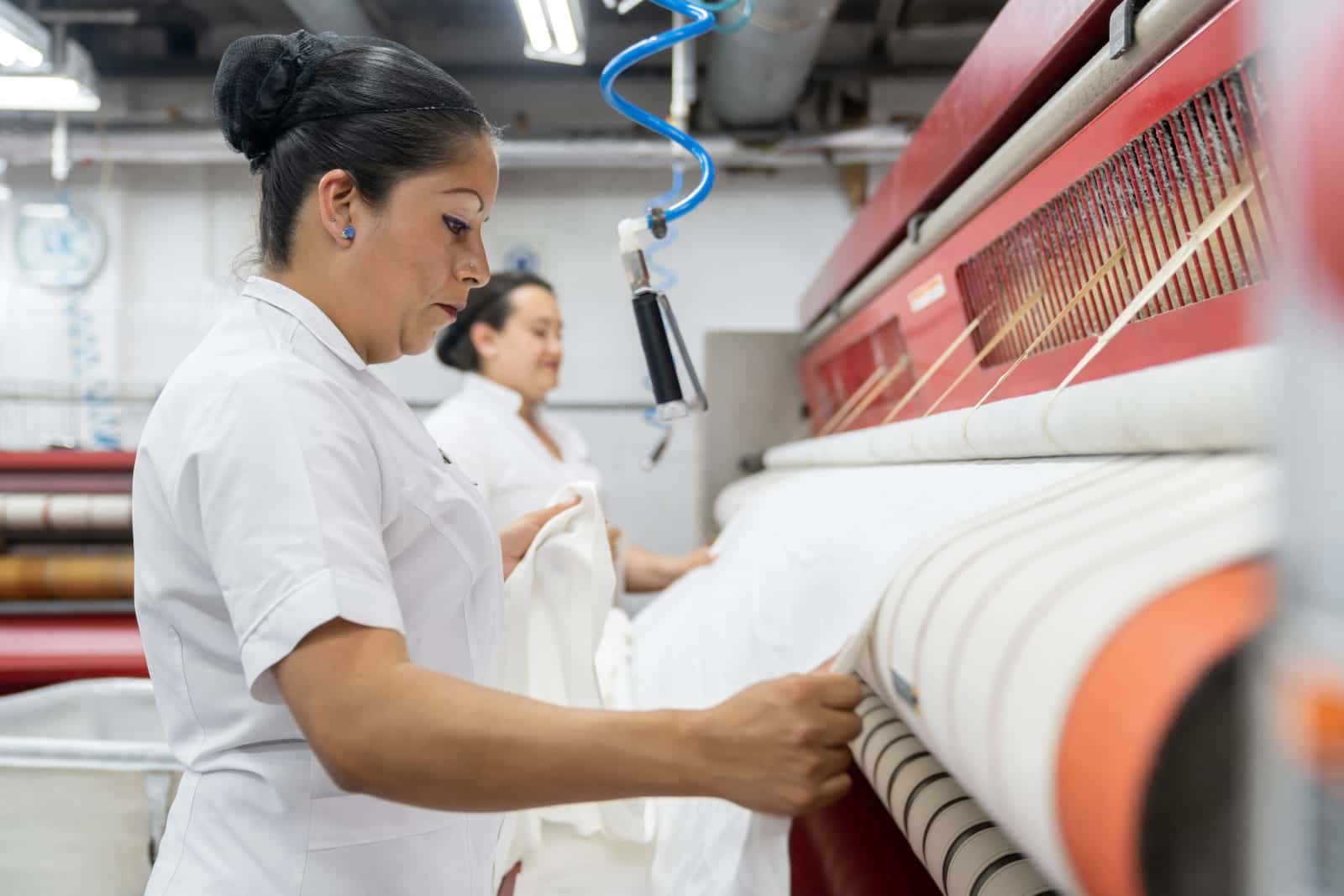
Textile waste is a growing concern in the healthcare sector, where hospitals routinely cycle through linens such as sheets, pillowcases, and gowns. These materials are essential for patient care but often reach the end of their lifespan quickly due to frequent use and washing. Disposing of them responsibly is critical, not only for environmental sustainability but also for meeting stringent regulatory standards. By adopting sustainable practices like textile recycling, hospitals can significantly reduce waste, enhance their green initiatives, and support global environmental goals. Let's explore why recycling old sheets is essential and how hospitals can take meaningful action toward a more sustainable future!
Why Should Hospitals Recycle Old Sheets?
1. Reduce Environmental Impact
Hospitals generate vast quantities of textile waste annually, much of which ends up in landfills. These discarded materials contribute to greenhouse gas emissions as they decompose, releasing methane and other harmful substances into the atmosphere. Recycling old sheets helps minimize these environmental hazards and promotes a circular economy by giving textiles a second life.
2. Comply with Sustainability Goals and Regulations
Many hospitals aim to meet Environmental, Social, and Governance (ESG) benchmarks as part of their commitment to sustainability. Textile recycling aligns with these goals, showcasing a commitment to responsible waste management. Also, some local and federal regulations require organizations to dispose of waste responsibly, making textile recycling a proactive approach to compliance.
3. Improve Operational Efficiency
By utilizing textile recycling services, hospitals can streamline their waste management processes. It reduces clutter, improves storage capacity, and optimizes operational workflows. Specialized recycling programs that provide data-backed insights into waste streams can enable healthcare organizations to refine their sustainability strategies.
4. Enhance Reputation and Patient Trust
Sustainability initiatives positively influence public perception. Patients, staff, and stakeholders appreciate environmentally conscious practices, which can enhance a hospital's reputation and foster greater trust in its operations. Demonstrating accountability in waste management underscores the hospital's commitment to community health and global well-being.
How to Recycle Sheets
1. Assess the Condition of the Sheets
The first step in recycling old sheets is determining their condition. If they are lightly used, consider repurposing them within the facility for non-clinical tasks, such as cleaning. Severely worn-out sheets, however, should be earmarked for recycling.
2. Partner with a Textile Recycling Service
Collaborate with a reliable textile recycling partner to streamline your hospital's waste management processes. Look for providers that offer customized textile recycling services tailored to healthcare facilities, ensuring that used textiles are responsibly diverted from landfills. A good partner will also provide detailed reporting and analytics to help track your diversion efforts and support achieving your broader recycling and sustainability goals. By choosing the right service, you can ensure that old sheets are processed for reuse or recycling efficiently and responsibly.
3. Implement a Collection System
Set up a designated collection area within your hospital specifically for old sheets and other textile waste. Use clear labeling and provide staff training to ensure proper segregation and handling of these materials. Regular pickups by your recycling partner will help maintain the efficiency of the system. Consider working with a provider that can assess your hospital's textile volume and tailor a solution to meet your specific needs. Look for services that offer flexible scheduling, competitive rates, and a network capable of managing large-scale or frequent collections efficiently.
4. Leverage ESG Reporting Tools
Work with a recycling partner that provides data-driven insights to measure the success of your recycling initiatives. ESG reporting tools can help you track key metrics such as waste reduction, diversion rates, and areas for improvement. These insights allow your hospital to demonstrate a strong commitment to sustainability while optimizing your waste management strategies. Choose a partner that offers comprehensive tracking and analysis solutions to support your sustainability goals and enhance your ESG scores, ensuring transparency and continuous improvement in your efforts.
5. Explore Repurposing Opportunities
Recycled textiles can be transformed into various products, such as insulation, industrial wipes, or even new fabrics. Collaborate with your recycling partner to identify ways your discarded sheets could be repurposed, contributing to a circular economy. Look for partners that provide detailed tracking and reporting tools, enabling you to understand your textile diversion rate and the percentage of your textile materials that are being recycled or repurposed. Access to reliable data and analytics ensures informed decision-making and helps drive measurable sustainability outcomes for your hospital.
Textile Waste Recycling Services from CheckSammy
We address the challenges healthcare organizations face in managing textile waste. Our comprehensive textile recycling services meet the specific needs of hospitals and other healthcare facilities, providing a responsible solution for disposing of old sheets while supporting landfill diversion objectives.
With nationwide coverage, our services offer consistent and reliable support no matter your location. Contact CheckSammy today to book a consultation and discover how our we can help your hospital achieve its sustainability goals!