Back to blog
BlogJan 17, 20255 min readBy Paul Solovyov
Office Furniture Recycling: A How-To Guide
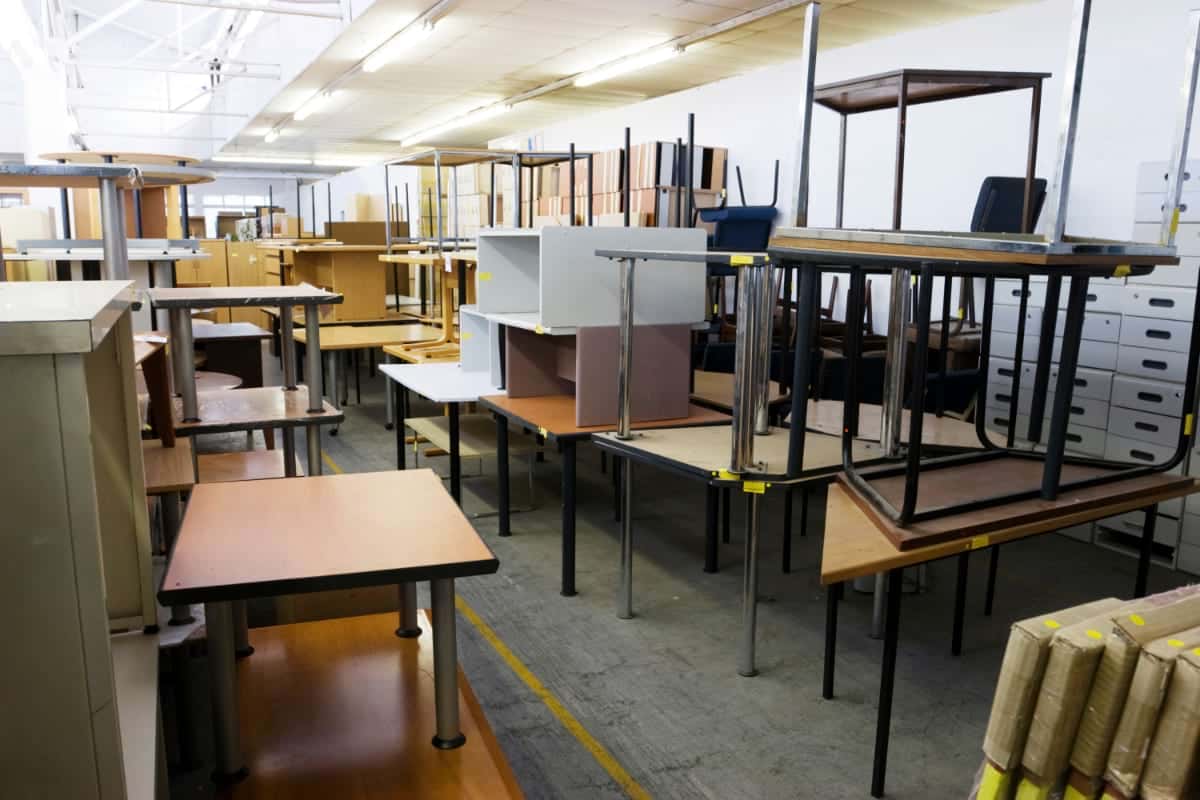
Businesses are increasingly embracing sustainability in every aspect of their operations, and office furniture disposal is no exception. Whether you're upgrading your workspace, downsizing, or closing an office, responsibly disposing of old furniture is crucial for minimizing environmental impact. However, many organizations are unsure how to recycle office furniture effectively or why it even matters. Beyond reducing waste, recycling office furniture can help organizations contribute to a circular economy, cut costs, and achieve sustainability goals.
Is Office Furniture Truly Recyclable?
Yes, office furniture is recyclable—but with a caveat. While not all materials are created equal, most office furniture is made from a mix of recyclable components like metal, wood, and plastic. However, the recyclability of these items depends on factors like local recycling facilities, the condition of the furniture, and the proper segregation of materials. For example, chairs with a combination of metal frames and plastic seating may require disassembly before recycling.
What Types of Office Furniture Can Be Recycled?
Wood Furniture
Many office furniture items, such as desks, shelving units, and partitions, contain wooden components. These can be repurposed into mulch, particleboard, or other building materials.
Metal Furniture
Metal is a common material in filing cabinets, desk frames, office chairs, and shelving units. Steel filing cabinets, for instance, are entirely recyclable and can be melted down for reuse in manufacturing. Metal bases of chairs and metal components in partitions or cubicles are also recyclable.
Plastic Furniture
Plastic components are prevalent in office chairs, desk accessories, and shelving units. Chair casters, plastic keyboard trays, and even plastic laminate desk surfaces can often be recycled into new plastic products, such as piping or containers.
Glass
Glass is commonly found in office furniture, especially in partitions, tabletops, or cubicle panels. The glass can be removed and recycled into new products, such as bottles or architectural materials.
Fabric and Upholstery
Office chairs and partitions frequently use fabric or leather upholstery. With textile recycling, many types of textiles can be repurposed for insulation or other applications. For example, fabric-covered cubicle panels might have their fabric removed and turned into cleaning supplies.
Electronics and Components
Electronics and related components, such as adjustable desk arms, monitor stands, and built-in desk outlets, often contain recyclable metals and plastics. Facilities specializing in e-waste recycling can process these items to recover materials like aluminum, copper, and plastic for reuse.
5 Benefits of Recycling Office Furniture
Environmental Impact
Recycling office furniture reduces landfill waste and conserves resources by repurposing materials like wood, plastic, and metal. It reduces the need for raw material extraction and lowers harmful emissions.
Cost Savings
Recycling programs can help you reduce landfill waste and disposal fees and avoid regulatory fines. Innovative waste management technology, such as customized waste audit services, allows organizations to get actionable insights through data-backed analysis and identify cost-saving opportunities.
Corporate Social Responsibility
Prioritizing recycling shows a commitment to sustainability, enhancing a company's reputation among customers, employees, and stakeholders.
Circular Economy Contributions
Recycling helps keep materials in circulation, reducing the environmental footprint of manufacturing and supporting a sustainable economy.
ESG Goals and Landfill Diversion Reporting
Recycling contributes to achieving Environmental, Social, and Governance (ESG) goals. Accurate recycling data tracking supports sustainability reporting and regulatory compliance, allowing you to increase your landfill diversion rate and improve your ESG score.
How to Recycle Office Furniture
Recycling office furniture doesn't have to be overwhelming. By following a systematic approach, businesses can responsibly manage unwanted items while supporting sustainability goals. From auditing your inventory to leveraging data-driven solutions, these steps will ensure your furniture is disposed of in an environmentally friendly and efficient way.
Audit Your Inventory
Begin by taking stock of all the furniture you no longer need. Assess each item's condition to determine whether it can be reused, recycled, or requires disposal. Categorize items into groups such as “reusable,” “recyclable,” and “non-recyclable.”
Partner with Specialized Recycling Services
Work with professional recycling companies that specialize in office furniture. Specialized recycling service providers can ensure materials are properly separated and recycled, allowing you to optimize the full potential of your waste diversion strategy.
Donate Usable Furniture
If your furniture is in good condition, consider donating it to charities, schools, or nonprofit organizations. It will not only extend the life of the furniture but also benefit the community.
Explore Refurbishing and Repurposing
Furniture in decent condition can often be refurbished for future use. Items like desks and chairs can be updated with new finishes or components, reducing the need for new purchases.
Use Data-Driven Disposal Solutions
Choose disposal services that provide detailed reporting on your recycling efforts. Data-backed services can help track how much waste you've diverted from landfills, aligning with your sustainability goals. Automated and secure track and trace reporting can provide your organization with verified data, analytics, and customizable reporting from collection to destination.
Consider Sustainable Office Furniture Recycling from CheckSammy
At CheckSammy, we're redefining how businesses handle bulk waste and sustainability initiatives. We provide nationwide services designed to support your business needs, diversion reporting, and ESG goals while minimizing environmental impact.
Our data-backed solutions meet the needs of organizations looking for responsible office furniture recycling. With services spanning waste removal, sustainability reporting, and comprehensive recycling programs, we ensure that your furniture disposal is handled with efficiency and care. Our sustainability analytics platform gives you the insights needed to track, measure, and increase your landfill diversion rate and improve ESG reporting.
Book a consultation with us today to learn how our waste management services can support your industry's sustainability goals.