Back to blog
BlogJan 31, 20258 min readBy Paul Solovyov
Food Waste Management 101: Your Ultimate Guide to Reducing Food Waste
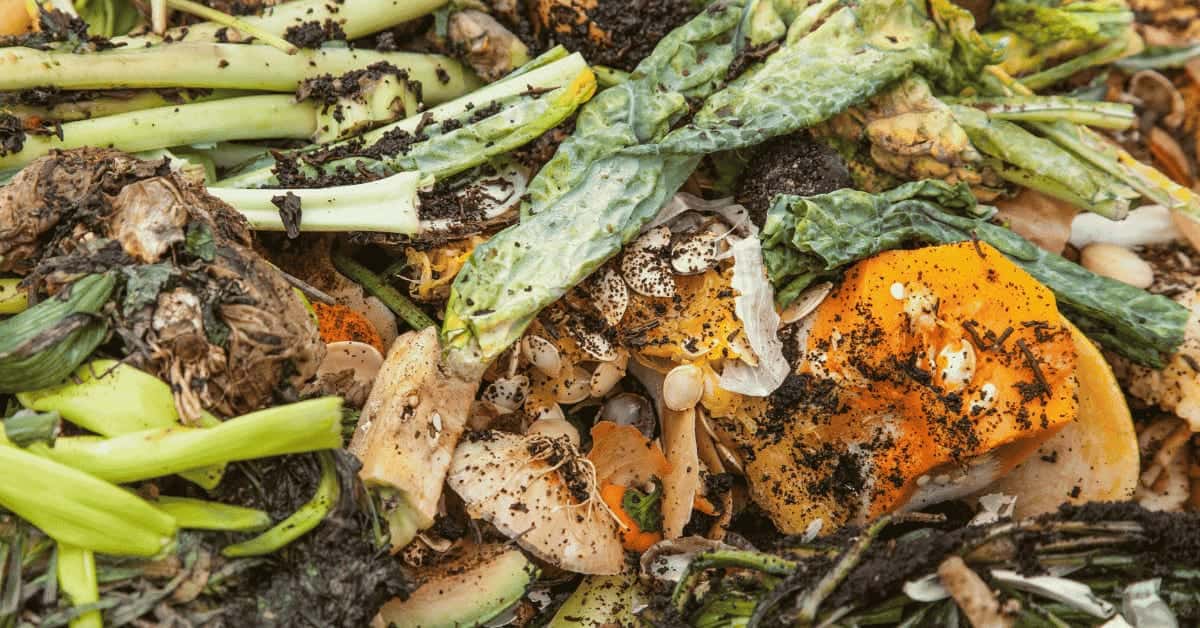
In a single year, the food service industry contributes to an astounding 66 million tons of food waste, with 60% headed straight to landfills. Every discarded plate and unused ingredient impacts the bottom line and contributes to a growing environmental crisis. As global awareness of sustainability increases, innovative solutions are emerging to transform how hospitality businesses handle food waste. Through advanced technology, data-driven strategies, and sustainable practices, organizations can now turn this challenge into an opportunity for positive change.
What is Food Waste Management?
Food waste management encompasses the systematic approach to reducing, handling, and disposing of food-related waste throughout the entire food service cycle. It involves implementing strategies and processes that optimize food usage, minimize waste generation, and ensure proper disposal or recycling of unavoidable waste. This comprehensive system includes tracking food inventory, monitoring preparation processes, managing portion sizes, and implementing efficient disposal methods. Modern food waste management integrates technology and analytics to provide real-time insights into waste patterns, enabling businesses to make data-driven decisions that enhance operational efficiency and sustainability.
Why is Food Waste Management Important for Hospitality Businesses?
Food waste management plays an essential role in the hospitality industry's operational success and environmental responsibility. Each year, the sector discards millions of tons of food, representing significant financial losses and missed opportunities for sustainability. Effective waste management directly impacts profitability by reducing food costs, improving inventory control, and optimizing purchasing decisions. Beyond the financial benefits, proper food waste management helps businesses meet increasingly stringent environmental regulations and satisfy growing consumer demand for sustainable practices. It also strengthens brand reputation, demonstrates corporate responsibility, and contributes to global efforts to combat climate change and resource depletion.
Common Causes of Food Waste in Hospitality
Poor Inventory Management
Inefficient inventory tracking leads to over-ordering, improper storage, and spoilage. Without proper systems, businesses struggle to maintain optimal stock levels, resulting in excess inventory that often goes to waste. This includes challenges with first-in-first-out (FIFO) practices, inadequate storage conditions, and lack of real-time inventory visibility. Many establishments still rely on manual tracking methods, making it difficult to forecast demand and adjust orders accordingly and accurately. Seasonal fluctuations in business volume further complicate inventory management, as establishments must balance the need to maintain adequate stock levels with the risk of over-ordering perishable items. Also, improper receiving procedures can result in accepting substandard products that spoil more quickly or fail to meet quality standards.
Inefficient Food Preparation
Kitchen inefficiencies contribute significantly to food waste generation through various channels. Improper portioning and inconsistent recipes lead to excess production and variable quality. Without standardized processes and proper training, staff may struggle with portion control and ingredient utilization, resulting in unnecessary waste during the cooking process. Prep waste often accumulates due to inefficient cutting techniques or a lack of planning for ingredient cross-utilization. Over-preparation of mise en place (“everything in its place”) items can lead to spoilage when demand doesn't meet expectations.
Customer Behavior
Guest preferences and behaviors play a significant role in food waste across the hospitality industry. When restaurants prioritize large portions to demonstrate value, much of that food goes uneaten. Buffet services struggle with unique challenges—maintaining full displays throughout service leads to excess food production. Customers expect every menu item to be available at all times, pushing kitchens to overproduce even during slower periods. Also, last-minute changes to orders mean food ends up in the waste bin.
Equipment and Storage Issues
Storage equipment problems can quickly snowball into costly food waste issues. When refrigerators don't maintain consistent temperatures, perfectly good ingredients spoil before their time. Disorganized storage areas mean ingredients get pushed to the back and forgotten, or staff miss rotation dates. Some kitchens cope with limited storage space by placing smaller, more frequent orders, but this can backfire with emergency orders at higher prices when supplies run short. Equipment breakdowns can trigger major food losses overnight. Even seemingly minor issues, like using the wrong storage containers or unclear labeling, create confusion about what's fresh and what needs to be used first.
Challenges in Food Waste Management
Complex Waste Streams
Managing different types of food waste presents unique challenges that require sophisticated solutions. Each waste category needs specific handling—from separating organic materials from packaging to properly sorting food scraps for recycling. Kitchen preparation waste, such as vegetable trimmings and protein scraps, can be diverted to composting facilities. At the same time, unused prepared foods may be suitable for food donation programs when they meet safety standards. The varying decomposition rates of different ingredients add complexity to storage planning, requiring careful temperature control and containment systems. Also, seasonal menu changes and special events can dramatically alter the volume and composition of waste streams, affecting processing capacity and costs.
Regulatory Compliance
Navigating evolving environmental regulations and waste management laws poses ongoing challenges for hospitality businesses. State and local requirements can have different and sometimes conflicting waste handling and disposal standards. For instance, New York State's Food Donation and Food Scraps Recycling Law requires businesses and institutions generating an average of two or more tons of food scraps per week to donate excess edible food and recycle all remaining food scraps if they are within 25 miles of an organics recycling facility. For a local area like New York City, Local Law 146 of 2013 requires businesses that meet the outlined minimum requirements to separate their organic waste (food scraps, food-soiled paper, and plant waste).
Cost Implications
Implementing food waste management solutions is a strategic investment in operational efficiency and sustainability. While the initial setup includes costs for waste tracking systems and staff training, these investments quickly translate into measurable returns. Businesses typically see significant savings through reduced waste hauling fees, lower food purchasing costs, and improved inventory management. Many organizations discover additional revenue streams through recycling programs while avoiding costly regulatory compliance issues.
Staff Training and Engagement
Successful waste management programs depend on well-trained, engaged staff members. The high turnover rates in hospitality create an ongoing need for training sessions and education. Effective programs need consistent monitoring and feedback to maintain compliance with waste management protocols. Building a culture of sustainability takes time, dedication, and resources, but the impact on waste reduction makes the efforts worthwhile.
How to Manage Food Waste in the Hospitality Industry
Smart Inventory Systems
Modern inventory management platforms use IoT sensors and cloud-based software to transform food storage monitoring. Digital scales connected to inventory systems automatically weigh and track ingredients, while smart thermometers continuously monitor storage temperatures to prevent spoilage. Radio-frequency identification (RFID) tags and barcode systems scan products as they move through the kitchen, providing real-time updates on stock levels. These systems integrate directly with Point of Sale (POS) software to analyze which menu items sell best at different times, helping kitchens prep more accurately and reduce overproduction—smart dashboards alert staff when ingredients are approaching expiration dates or stock levels fall below predetermined thresholds. Tablet-based apps give staff instant access to inventory data, making it easy to conduct spot checks and update stock counts anywhere in the facility.
Staff Education Programs
Success starts with getting the team on board through robust training and education. Staff workshops dig into the essentials—from smart storage practices to efficient food prep techniques and waste tracking. By cross-training teams, everyone understands how they personally contribute to reducing waste in the kitchen. Hands-on demonstrations and visual guides make it easier for staff to learn and remember proper procedures. Regular team check-ins create space to tackle challenges and celebrate wins. Plus, recognizing and rewarding staff who go above and beyond helps build a culture where waste reduction becomes second nature.
Technology Integration
The power of modern waste management lies in its sophisticated digital ecosystem. At the heart of this system are cloud-based tracking platforms that capture real-time data about waste streams, giving hospitality businesses unprecedented visibility into their operations. As staff members log waste data through intuitive mobile apps, enterprise-grade software transforms this information into actionable insights about waste types, volumes, and patterns. These insights flow into user-friendly dashboards where managers can monitor multiple locations simultaneously, spotting trends and opportunities for improvement. The technology extends beyond just tracking—it automatically generates detailed sustainability reports and waste diversion metrics, streamlining environmental reporting. This digital transformation empowers hospitality businesses to make strategic, data-driven decisions that enhance their sustainability efforts while simplifying day-to-day waste management operations.
Sustainable Disposal Methods
Partner with specialized waste management services to implement comprehensive recycling and composting programs. Organic waste recycling through composting or anaerobic digestion converts waste into valuable resources. Food donation programs redirect surplus food to charitable organizations. Waste-to-energy conversion programs provide alternative disposal options for unsuitable food waste. Regular waste audits help optimize disposal methods and identify opportunities for improvement—technology solutions track and document disposal methods for sustainability reporting.
Navigating Sustainable Food Waste Management with CheckSammy
CheckSammy delivers effective organics recycling solutions that enhance hospitality food waste management. Our comprehensive analytics platform, Veridiant, empowers businesses with real-time waste tracking and actionable insights, driving measurable waste reduction across operations.
Our organics recycling program offers sustainable solutions for food waste management, converting waste into valuable resources through composting and anaerobic digestion processes. With our nationwide network of processing facilities, we ensure efficient, environmentally responsible handling of organic waste while providing transparent ESG reporting.
Ready to elevate your organization's sustainability performance? Book a consultation with CheckSammy today to discover how our innovative solutions can strengthen your environmental initiatives and improve operational efficiency.