Back to blog
BlogFeb 1, 20255 min readBy Paul Solovyov
How Does Textile Waste Affect the Environment?
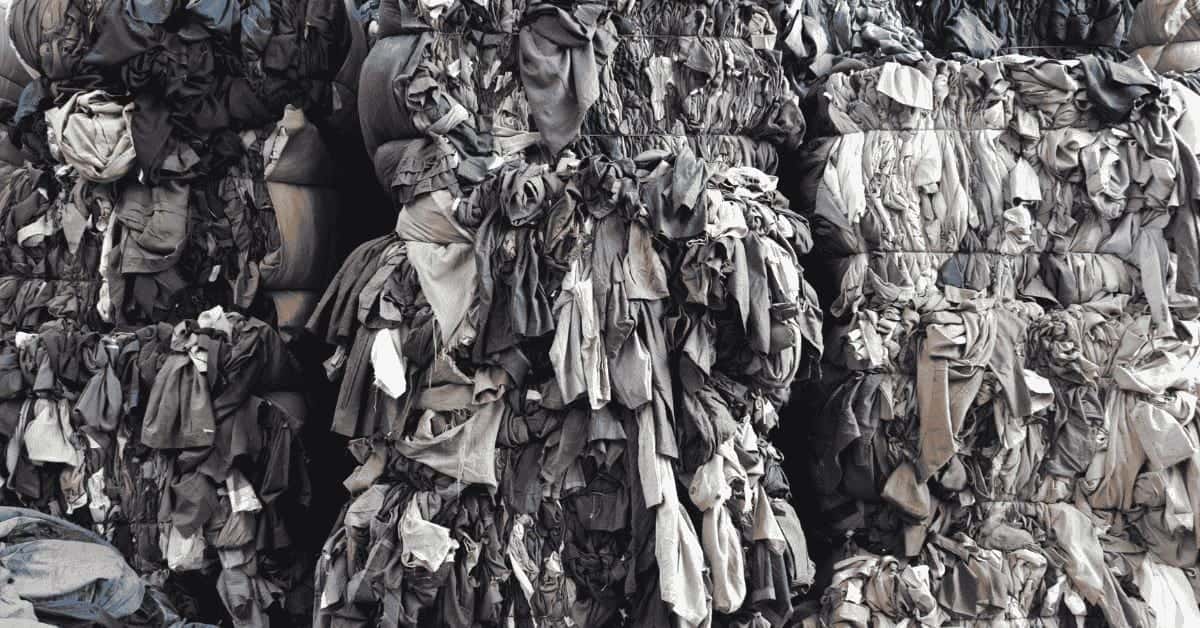
Textile waste poses a significant environmental challenge. Each year, millions of tons of discarded clothing and fabrics end up in landfills or are incinerated, releasing harmful chemicals and greenhouse gases into the atmosphere. This cycle of waste exacerbates climate change and depletes natural resources. From production to disposal, textiles carry a heavy ecological footprint, often involving toxic dyes, synthetic fibers, and non-biodegradable materials. For many organizations seeking sustainable waste management strategies, tackling textile waste is a pressing priority. Understanding its impacts and solutions can pave the way for greener operations and a healthier planet.
What is Textile Waste?
Textile waste refers to discarded fabrics, garments, and other textile-based materials. It includes pre-consumer waste, like manufacturing offcuts and unsold inventory, as well as post-consumer waste, such as worn-out clothing, bedding, and household textiles. This waste stream is driven by overproduction, fast fashion, and a lack of awareness about recycling options.
The rise of synthetic materials, which can take decades or even centuries to decompose, compounds the problem. While natural fibers like cotton and wool break down more easily, their production often involves water-intensive processes and harmful pesticides, making waste reduction essential regardless of material type.
5 Ways Textile Waste Impacts the Environment
1. Overflowing Landfills
Landfills are becoming increasingly overrun with discarded textiles, as the fashion industry alone generates 17 million tons of textile waste each year. Many synthetic fabrics, like polyester and nylon, are non-biodegradable, meaning they can remain in landfills for centuries. These materials often contain harmful dyes and chemicals, which leach into the surrounding soil and groundwater over time. This contamination impacts plant growth, alters soil composition, and poses health risks to nearby communities.
2. Greenhouse Gas Emissions
Textile waste significantly contributes to greenhouse gas emissions. Organic materials like wool and cotton release methane as they decompose in anaerobic (oxygen-free) landfill conditions. According to the US Environmental Protection Agency (EPA), Methane is approximately 25 times more effective at trapping heat in the atmosphere than carbon dioxide, making it a major contributor to climate change. Also, the incineration of synthetic textiles—another common disposal method—emits carbon dioxide and toxic substances like dioxins and furans, which contribute to air pollution and global warming. The production phase of textiles, especially fast fashion items, adds to this burden through energy-intensive processes fueled by nonrenewable resources like coal and natural gas.
3. Water Pollution
The textile industry is a leading contributor to water pollution, both during production and after disposal. Many textile factories release untreated wastewater filled with dyes, heavy metals, and other harmful chemicals directly into rivers and oceans in many parts of the world. These pollutants damage aquatic ecosystems and pose health risks to communities relying on these water sources for drinking and agriculture. When textiles made from synthetic fibers are washed, they shed microplastics, which are too small to be filtered out by most wastewater treatment systems. These microplastics accumulate in oceans, rivers, and lakes, where they are ingested by marine life, entering the food chain and ultimately affecting human health.
4. Resource Depletion
Textile production is resource-intensive, consuming vast amounts of water, energy, and raw materials. For example, producing one kilogram of cotton fabric can require as much as 10,000 liters of water. This demand strains water resources, especially in regions already facing water scarcity. Also, synthetic fibers like polyester and nylon are derived from petroleum, a nonrenewable resource. The extraction and processing of these materials contribute to the depletion of fossil fuels and release greenhouse gases into the atmosphere. The high consumption of energy in textile production, combined with the wastefulness of fast fashion, results in a massive environmental footprint that undermines the planet's finite resources.
5. Disruption of Ecosystems
The production, use, and disposal of textiles significantly disrupt ecosystems. The cultivation of natural fibers like cotton often relies on pesticides and fertilizers, which contaminate soil and water and harm local wildlife. Deforestation to clear land for textile agriculture reduces biodiversity and destroys habitats for countless species. During the production phase, untreated wastewater and chemical discharge from textile factories poison aquatic ecosystems, leading to the death of fish and other marine organisms. On the disposal side, textile waste that ends up in natural environments, such as rivers and forests, can entangle or be ingested by wildlife, causing physical harm or death. This disruption cascades through ecosystems, destabilizing food chains and threatening biodiversity.
Combatting Textile Waste with CheckSammy
Organizations can take control of their textile waste with tailored recycling solutions that transform discarded materials into sustainable opportunities. CheckSammy offers recycling services designed to divert textile waste from landfills, reduce environmental footprints, and help meet ESG goals.
With nationwide coverage, cutting-edge technology, and comprehensive reporting, we're your sustainability partner. From collection and sorting to recycling and repurposing, our services ensure your textile waste management strategy aligns with your organization's commitment to sustainability.
Contact CheckSammy today to book a consultation and learn how our textile recycling services can support your sustainability goals.