Back to blog
BlogFeb 28, 20255 min readBy Kelly Russell
Electronics Recycling or Repair: 7 Tips for Evaluating Business Electronics
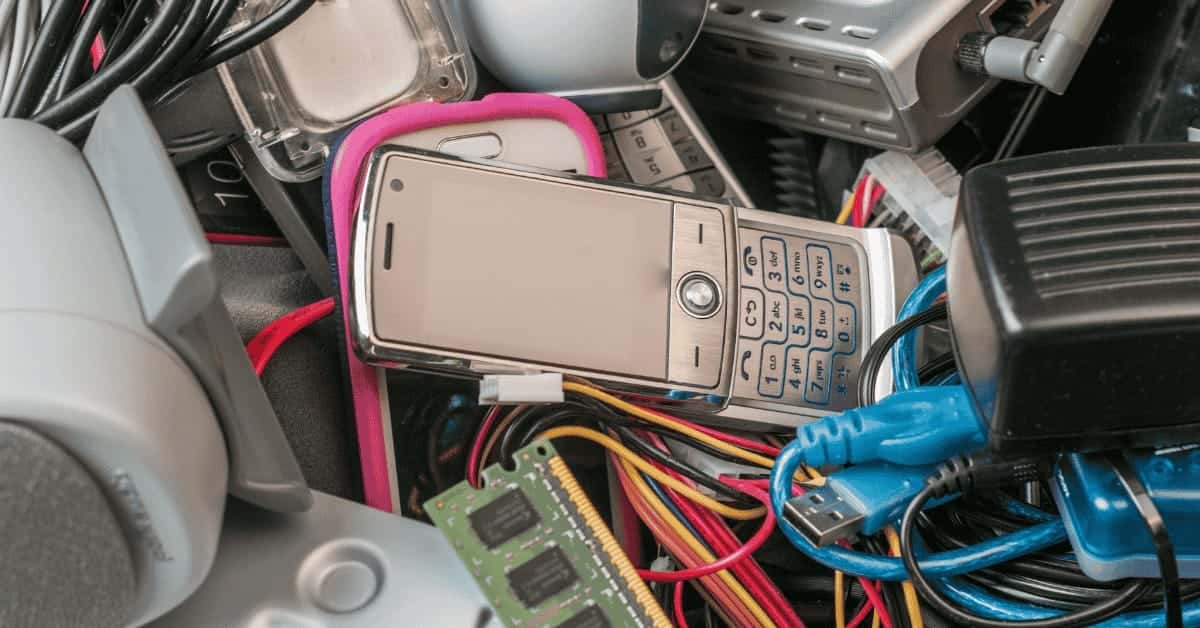
Managing electronic waste (e-waste) is a critical responsibility for businesses committed to sustainability, security, and cost-efficiency. As technology evolves, companies need to determine whether to repair aging electronics or recycle them responsibly.
The right decision depends on factors like security risks, repairability, total cost of ownership, and environmental impact. While recycling ensures responsible disposal and data security, repairing electronics extends their lifecycle, reducing unnecessary waste and costs. However, making the right choice isn't always straightforward. Businesses need to weigh the financial and environmental costs of repairs against the benefits of upgrading to newer technology.
A well-informed electronics management strategy helps organizations meet sustainability goals while maintaining operational efficiency. Here are seven factors to consider when deciding whether to repair or recycle business electronics.
What to Consider When Evaluating Business Electronics to Replace or Repair
Assess the Total Cost of Ownership
A simple repair might seem like the most cost-effective solution in the short term, but businesses need to look at the bigger picture. The total cost of ownership includes not only the repair cost but also maintenance, IT labor, and lost productivity due to outdated technology. If a device requires frequent servicing or if spare parts are costly and difficult to source, replacing it with a newer, more efficient model may be the smarter investment. Also, businesses should assess whether an aging device is compatible with the latest software and whether keeping it in service could lead to workflow inefficiencies.
Evaluate Security Risks
Older electronics can pose serious cybersecurity risks, especially if they no longer receive firmware or security updates from manufacturers. If a device is vulnerable to cyber threats and cannot be updated to meet modern security standards, it could become a liability. Businesses handling sensitive data must ensure that devices are not only functional but also secure. If an outdated computer, server, or mobile device has reached its end of life and cannot support necessary security protocols, recycling it with a certified e-waste handler is the best course of action to prevent data breaches and compliance issues.
Consider Energy Efficiency and Sustainability
Newer electronics are often designed with better energy efficiency, leading to lower electricity usage and reduced environmental impact. An older device that consumes significantly more energy than modern alternatives may not be worth repairing. Companies striving to meet sustainability goals should evaluate whether replacing inefficient electronics with energy-efficient models can help reduce their carbon footprint and lower operational costs. In some cases, local incentives or rebates may be available for businesses that invest in energy-efficient upgrades, making replacement a more attractive option.
Examine Repairability and Manufacturer Support
Not all electronics are designed with repairability in mind. Some manufacturers make it difficult to repair their products by limiting access to replacement parts. If a device can be easily repaired using widely available components, it may make sense to extend its lifespan. However, if a repair is prohibitively expensive due to proprietary parts or lack of manufacturer support, replacing the device with a more repair-friendly model may be the better long-term decision. Businesses should also consider whether software updates will continue to be available or if the device is approaching obsolescence.
Analyze Environmental Impact
Both repair and recycling play a role in sustainable e-waste management. Repairing electronics extends their lifecycle and reduces the demand for new raw materials, which helps minimize environmental impact. However, when a device is beyond repair or contains toxic components like lead, mercury, or brominated flame retardants, responsible recycling is necessary to prevent hazardous waste from entering landfills. Businesses should work with certified recyclers that follow strict environmental guidelines to ensure that materials like metals and plastics are properly recovered and repurposed. If a device is no longer functional and cannot be repaired safely, recycling is the most responsible option.
Assess Employee Productivity and Satisfaction
Outdated or slow electronics can negatively impact employee productivity and satisfaction. If employees struggle with system crashes, slow response times, or software incompatibility, the hidden cost of inefficiency may outweigh the expense of replacement. Businesses should evaluate whether aging technology is hindering workflows and causing frustration among staff. If upgrading to newer, faster, and more reliable devices would improve efficiency and morale, the investment may be worthwhile. Also, modern devices often come with enhanced collaboration features and better connectivity, further supporting business operations.
Consider Trade-In and Donation Programs
Before discarding old electronics, businesses should explore reuse options. Many manufacturers and retailers offer trade-in programs that provide credit toward the purchase of new devices. Some companies implement employee buyback programs, allowing staff to purchase old but still functional devices at a discounted price for personal use. Also, organizations can donate working electronics to schools, nonprofits, or community organizations, giving the equipment a second life and supporting social initiatives. When a device is no longer suitable for business use but remains operational, repurposing it through trade-ins or donations can be a more sustainable alternative to recycling.
Making Smart Choices for E-Waste Management
Deciding whether to repair or recycle business electronics comes down to cost, security, and sustainability. Repairing can extend a device's life and reduce waste, but sometimes upgrading to newer technology is the better long-term solution. Before making a decision, it's important to weigh repair costs, security risks, energy efficiency, and environmental impact.
When electronics reach the end of their life, responsible e-waste recycling helps recover valuable materials and keeps hazardous waste out of landfills. Working with a certified e-waste recycler ensures secure data destruction and environmentally friendly disposal, helping businesses stay compliant and meet sustainability goals. Taking a thoughtful approach to electronics management not only cuts costs and improves efficiency but also supports a more sustainable future.
Book a consultation with CheckSammy today to explore secure and responsible recycling solutions.