Back to blog
BlogMar 5, 20255 min readBy Kelly Russell
Where to Take Electronics for Recycling: 6 Options for Businesses
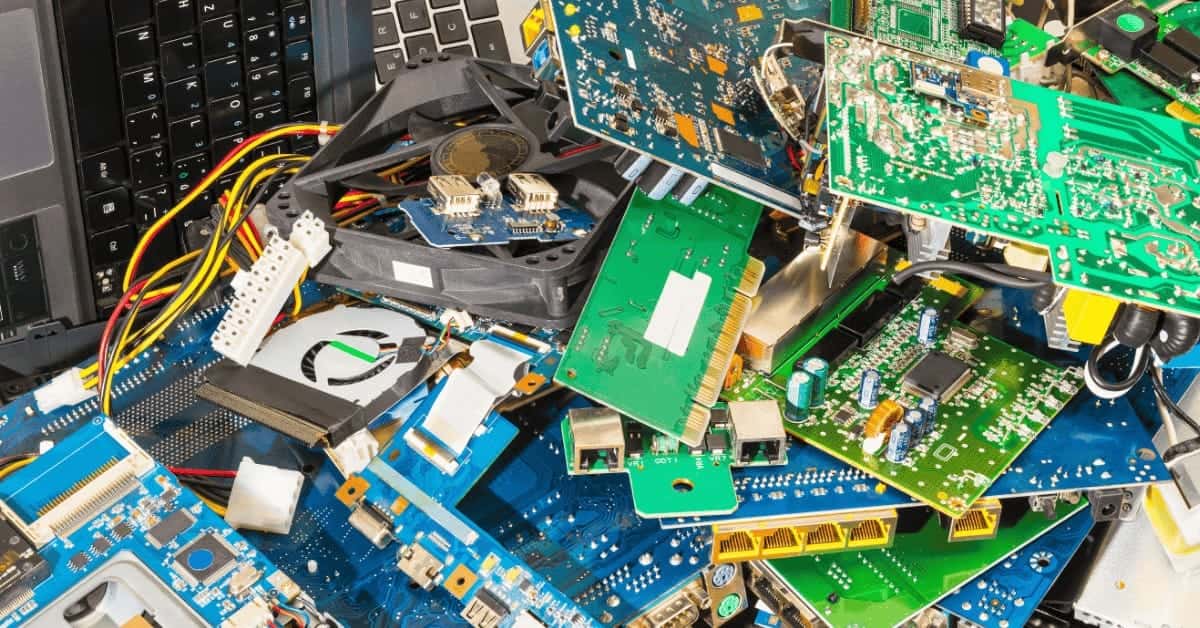
Electronic waste (e-waste) is one of the fastest-growing waste streams in the world, posing significant environmental and security risks for businesses. As organizations rely on technology for daily operations, outdated computers, printers, servers, and other electronic devices accumulate quickly. Simply discarding these items with regular waste is not an option—many contain hazardous materials that can harm the environment, while others hold sensitive data that must be securely destroyed. Responsible e-waste recycling not only ensures compliance with environmental regulations but also supports sustainability initiatives and corporate social responsibility goals. With the right approach, businesses can efficiently and securely manage electronic waste disposal while improving their landfill diversion rate.
Why Electronic Waste Recycling?
Recycling e-waste can support a business in many great ways. Here are five important benefits for organizations:
Environmental Responsibility
E-waste contains hazardous materials such as lead, mercury, and cadmium, which can leach into soil and water if improperly disposed of. These toxic substances can contaminate ecosystems, harm wildlife, and pose serious health risks to humans. Recycling reduces environmental harm and promotes sustainability by ensuring that harmful chemicals are safely managed and valuable materials are repurposed instead of ending up in landfills.
Data Security
Old electronics often hold sensitive business data. Simply discarding these devices without proper data destruction can expose companies to potential breaches, identity theft, and financial fraud. Proper recycling ensures secure data destruction through certified processes like shredding or degaussing hard drives. It protects business interests and also ensures compliance with data privacy laws and industry regulations.
Regulatory Compliance
Many jurisdictions have strict e-waste disposal regulations. Businesses must comply with these laws to avoid penalties and reputational damage. Failure to adhere to proper e-waste disposal guidelines can result in hefty fines and legal repercussions. Recycling through certified channels helps businesses stay compliant with environmental laws, ensuring they meet local, state, and federal requirements for responsible waste management.
Corporate Social Responsibility (CSR)
Sustainable e-waste disposal enhances corporate reputation, demonstrating a commitment to environmental and social responsibility. By implementing responsible recycling practices, businesses can align with sustainability initiatives, improve brand image, and meet consumer and stakeholder expectations for eco-friendly operations. Investing in e-waste recycling also contributes to corporate Environmental, Social, and Governance (ESG) goals, helping companies achieve broader sustainability benchmarks.
Resource Conservation
Recycling recovers valuable materials like gold, silver, and copper, reducing the need for raw material extraction and promoting a circular economy. Mining for these materials is energy-intensive and environmentally damaging. By repurposing electronic components, businesses contribute to resource efficiency, reduce carbon footprints, and support sustainable production practices. Recovering and reusing these materials also lowers manufacturing costs, making recycling an economically viable option.
How to Dispose of Electronic Waste
Proper disposal of electronic waste requires careful planning. Below are essential steps for disposing of electronic waste responsibly.
Conduct an E-Waste Audit
Assess the quantity and types of electronic waste your business generates to determine appropriate recycling solutions. Keep an inventory of outdated devices, broken equipment, and accessories to categorize them for refurbishment, recycling, or secure disposal. A comprehensive waste audit helps streamline the recycling process and identify areas where waste can be minimized.
Secure Data Erasure
Before recycling, remove or wipe data from hard drives, servers, and storage devices to protect sensitive business information. Use data-wiping software, degaussing, or physical destruction to ensure complete data security. Proper data erasure prevents potential breaches and ensures compliance with privacy regulations like GDPR and HIPAA.
Partner with Certified Recyclers
Work with reputable e-waste recyclers who follow certified processes to ensure compliance, security, and environmental responsibility. Certified recyclers, such as those with R2 or e-Stewards certifications, follow strict protocols to ensure ethical and sustainable recycling practices. Partnering with these organizations guarantees responsible waste management and reduces liability risks.
Where to Take Commercial Electronic Waste
There are many convenient options for recycling e-waste. Here are six options for your business:
Manufacturer Take-Back Programs
Many electronics manufacturers offer take-back programs for their products. Brands like Dell, HP, and Apple provide recycling services for old equipment, ensuring proper disposal and material recovery.
Local Government and Municipal Collection Sites
Cities and municipalities often have e-waste recycling programs for businesses. These facilities ensure compliance with local regulations and safe disposal.
Certified E-Waste Recycling Centers
Organizations like R2v3 (Responsible Recycling) and e-Stewards certified recyclers adhere to strict environmental and data security standards. These centers properly handle and recycle electronic waste. Many companies work with sustainability partners that offer nationwide collection and processing through certified R2v3 recycling facilities.
IT Asset Disposition (ITAD) Services
ITAD providers specialize in secure data destruction and environmentally responsible disposal of outdated IT assets. These services help businesses manage e-waste efficiently while ensuring compliance and data security. Once complete, ITAD service providers should present your business with verified certificates of diversion and destruction.
Mailback Programs
Similar to manufacturer take-back programs, mailback programs allow businesses to collect e-waste in a special container and ship it to an e-waste management services provider for proper recycling. Mailback programs can be a convenient and affordable way to manage e-waste for companies of all sizes.
Charitable Donations and Resale
Functional electronics can be donated to schools and non-profits or refurbished for resale. This extends the lifespan of electronic devices and reduces waste.
Finding the Right Commercial E-Waste Recycling Solution
Effective e-waste recycling helps businesses manage waste responsibly, safeguard sensitive data, and comply with environmental regulations. By implementing structured disposal practices, organizations can reduce their environmental impact and contribute to a more sustainable future.
For guidance on responsible e-waste disposal, book a consultation with CheckSammy today and learn how our e-waste recycling solutions can support your business.