Back to blog
BlogMar 3, 20258 min readBy Kelly Russell
What is Anaerobic Digestion?
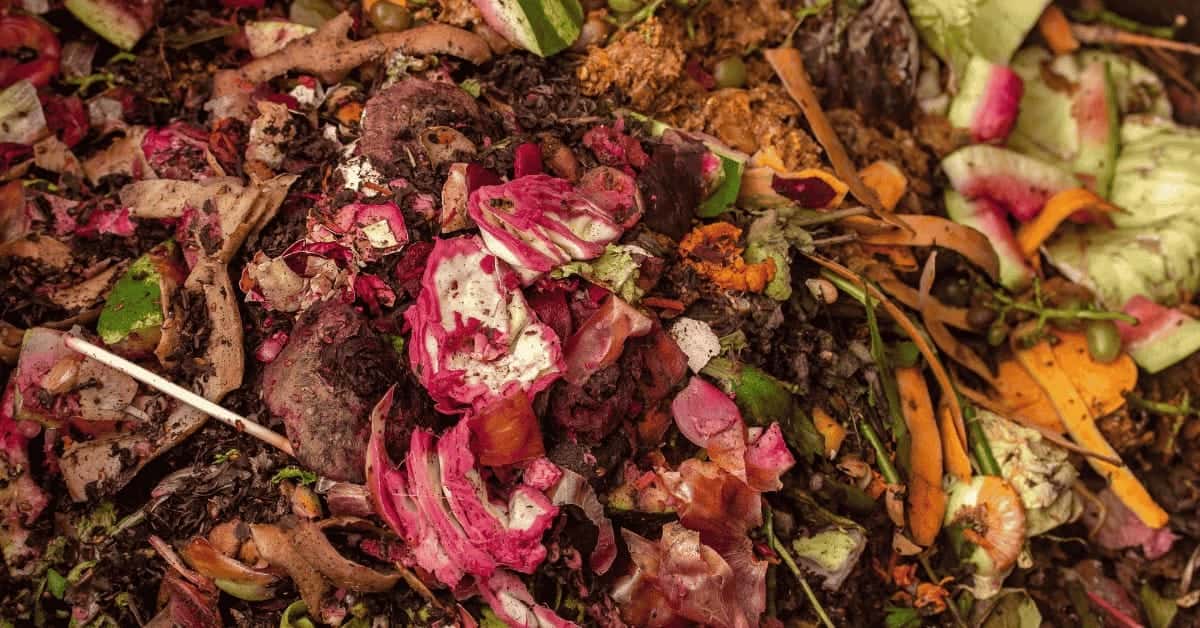
Converting organic waste into valuable resources represents one of today's most powerful opportunities in sustainable business. Anaerobic digestion delivers on this promise by transforming food waste and agricultural byproducts into renewable energy and nutrient-rich fertilizers. Through this sophisticated process, organizations can reduce their environmental impact while uncovering new pathways to operational efficiency and sustainable growth.
Understanding Anaerobic Digestion
Anaerobic digestion is a biological process in which microorganisms—primarily acetogens and methanogens—break down organic material in an oxygen-free environment. This process occurs naturally in environments such as marshes, wetlands, and rice fields. However, controlled anaerobic digestion systems are designed to optimize the process for efficient waste management and energy production.
The key outputs of anaerobic digestion are biogas and digestate. Biogas is a mixture of methane (CH4), carbon dioxide (CO2), and trace gases, which can be used as a renewable energy source for electricity generation, heating, or as a fuel substitute. Digestate, a nutrient-rich byproduct, can be used as a biofertilizer to improve soil health and replace synthetic fertilizers. Anaerobic digestion can be applied to various organic waste streams, including food waste, agricultural residues, wastewater sludge, and industrial organic waste.
How Does Anaerobic Digestion Work?
Anaerobic digestion only occurs in the absence of oxygen. It allows bacteria to break down organic matter to produce renewable energy and nutrient-rich fertilizers. This process is harnessed in specially designed facilities using sealed tanks called anaerobic digesters, which create optimal conditions for bacterial activity.
2 Types of Anaerobic Digester Systems
Modern facilities employ two main system designs, each suited to different operational needs: continuous and batch digesters.
Continuous Digesters
Most large-scale operations use continuous digesters, which maintain a constant flow of organic material. Fresh feedstock enters the system while biogas and digestate exit continuously. These systems use sophisticated mechanical mixing devices to ensure the even distribution of biomass and microorganisms throughout the digester. The consistent Hydraulic Retention Time (HRT) maintains steady-state operation, resulting in reliable biogas and digestate production.
Batch Digesters
Batch systems process organic material in cycles. Operators fill the digester with feedstock, seal it for the digestion period, and empty it once the process is complete. Though simpler in design, these systems use natural convection or intermittent mixing to ensure uniform digestion. This approach works well for smaller operations or when feedstock availability is intermittent.
The Biological Process
Within these digesters, organic matter undergoes four distinct phases of decomposition:
Phase 1: Hydrolysis
The process begins as bacteria break down complex organic materials into simpler compounds. Large molecules of proteins, fats, and carbohydrates become amino acids, fatty acids, and simple sugars.
Phase 2: Acidogenesis
Through acidogenesis, specialized bacteria convert these simple compounds into volatile fatty acids (VFAs) and alcohols.
Phase 3: Acetogenesis
Acetogenic bacteria transform the VFAs and alcohols into acetate, carbon dioxide, and hydrogen, preparing the essential compounds needed for the final phase.
Phase 4: Methanogenesis
Specialized methane-producing methanogenic bacteria complete the process, converting these compounds into biogas—primarily methane and carbon dioxide.. Anaerobic digestion also creates solid, liquid, and whole digestate:
Solid digestate: A fibrous material that improves soil moisture retention and organic content
Liquid digestate: A nutrient-rich, sludge-like substance that provides essential elements for plant growth and helps prevent soil erosion
Whole digestate: A combination of liquid and solid forms, creating a versatile sludge suitable for various agricultural applications
Anaerobic Digestion Facility Process
Anaerobic digestion facilities efficiently recycle organic materials through the following process:
Initial Waste Preparation
Businesses can partner with sustainable waste management providers who specialize in organic waste collection and recycling. These providers ensure organic waste is properly separated, collected, and transported to local anaerobic digestion facilities. Professional waste management services handle the logistics of collection schedules, waste segregation requirements, and compliance documentation, making it simple for businesses to implement an effective organic recycling program.
Waste Reception
When organic materials arrive at an anaerobic digestion facility, they undergo initial processing to remove contaminants. The material is often heated to around 70°C to eliminate pathogens and create optimal conditions for digestion.
Environmental Control and Process Monitoring
Environmental conditions inside the digesters are carefully controlled. Temperature is maintained at either mesophilic (95-105°F) or thermophilic (125-135°F) levels, while sophisticated systems track pH levels and maintain proper mixing. Mesophilic systems utilize lower heat, which creates a more stable environment but extends the process. With thermophilic levels, the process is faster, but the microorganisms are more sensitive to change.
Resource Recovery
The process yields two valuable outputs: biogas and digestate. The biogas can be upgraded to renewable natural gas, used for electricity generation, or processed into vehicle fuel. The digestate serves as a nutrient-rich organic fertilizer, reducing dependence on chemical alternatives.
6 Benefits of Anaerobic Digestion for Commercial Businesses
Converting organic waste into valuable resources represents one of the most compelling opportunities in modern waste management. Through anaerobic digestion, organizations can leverage six key benefits that optimize both environmental impact and operational efficiency.
Renewable Energy Generation
Anaerobic digestion creates biogas, a valuable renewable energy source that expands clean energy options. Through various processing methods, this biogas can generate electricity, provide heating solutions, or serve as an alternative to natural gas, helping to build a more sustainable energy infrastructure.
Carbon Footprint Reduction
By capturing methane that would otherwise escape from landfills, anaerobic digestion significantly reduces greenhouse gas emissions. The renewable energy generated also displaces fossil fuel usage, helping organizations meet their climate commitments. These environmental benefits often qualify for carbon credits, creating additional value streams while supporting corporate sustainability goals.
Nutrient Recovery
The process produces digestate, a nutrient-rich material containing nitrogen, phosphorus, and potassium. This byproduct can be refined into commercial-grade fertilizers or soil amendments, creating new revenue opportunities through sales to agricultural and landscaping markets. For food and beverage companies, this supports closed-loop waste management systems.
Increases Cost Savings Opportunities
Companies that incorporate organic recycling into their waste management strategy often see significant reductions in disposal costs. By diverting organic waste from landfills, businesses can lower their waste hauling fees and reduce environmental compliance costs. This proactive approach to waste management can also qualify organizations for sustainability incentives while supporting their environmental goals.
Enhanced Brand Image
Making organic waste recycling part of your business practices speaks volumes to environmentally conscious consumers. This visible commitment to sustainability helps build customer loyalty, attract like-minded employees, and strengthen community relationships. Companies often find that their green initiatives resonate in the marketplace, creating positive brand associations and setting them apart from competitors who haven't yet embraced sustainable practices.
Boosts ESG Scores
When it comes to ESG scores, organic waste recycling delivers the kind of measurable results that investors love to see. From tracking waste diversion to documenting reduced emissions, these programs provide clear data points that enhance sustainability reports and ratings. This matters more than ever in today's investment landscape, where strong ESG performance can open doors to better financing options and increased investor interest.
Common Anaerobic Digestion FAQs
Is anaerobic digestion harmful?
Anaerobic digestion, when properly managed, poses minimal risks to human health or the environment. Modern facilities incorporate multiple safety features and monitoring systems to ensure safe operation. The process actually reduces harmful pathogens in waste materials and helps prevent the release of methane into the atmosphere, which would occur if the same organic materials were sent to landfills.
Is anaerobic digestion clean?
Yes, anaerobic digestion represents a clean technology for processing organic waste. The enclosed nature of the system prevents odors and contains all processes within a controlled environment. The technology produces renewable energy while reducing greenhouse gas emissions and creating valuable soil amendments, making it an environmentally sound solution for organic waste management.
How long does anaerobic digestion last?
The complete anaerobic digestion process typically takes 5-30 days, depending on the system design and operating conditions. Factors such as temperature, feedstock composition, and reactor type influence the duration. Continuous flow systems process waste steadily, while batch systems operate in cycles.
How does anaerobic digestion differ from composting?
While both processes break down organic matter, they operate under fundamentally different conditions. Composting requires oxygen and produces primarily compost, while anaerobic digestion occurs without oxygen and generates both biogas and digestate. Anaerobic digestion typically processes waste faster than composting and can handle a wider variety of organic materials, including those with high moisture content. Also, anaerobic digestion captures energy in the form ofbiogas, which composting cannot do.
Advancing Sustainable Waste Management Through Anaerobic Digestion
Anaerobic digestion represents a significant advancement in sustainable waste management, offering a proven solution for organizations looking to improve their environmental impact. This biological process efficiently converts organic waste into renewable energy and nutrient-rich fertilizers, providing multiple benefits for businesses and the environment. From reducing greenhouse gas emissions and lowering waste management costs to generating renewable energy and supporting circular economy initiatives, anaerobic digestion helps organizations meet both their sustainability goals and operational needs.
As businesses increasingly focus on environmental responsibility, implementing effective organic waste management practices becomes crucial. Through proper waste segregation and processing, organizations can contribute to a more sustainable future while potentially reducing their operating costs.
Book a consultation with CheckSammy today to learn more about implementing organic waste recycling solutions for your business!