Back to blog
BlogMar 7, 20255 min readBy Kelly Russell
Anaerobic Digestion vs Composting: Which is Better?
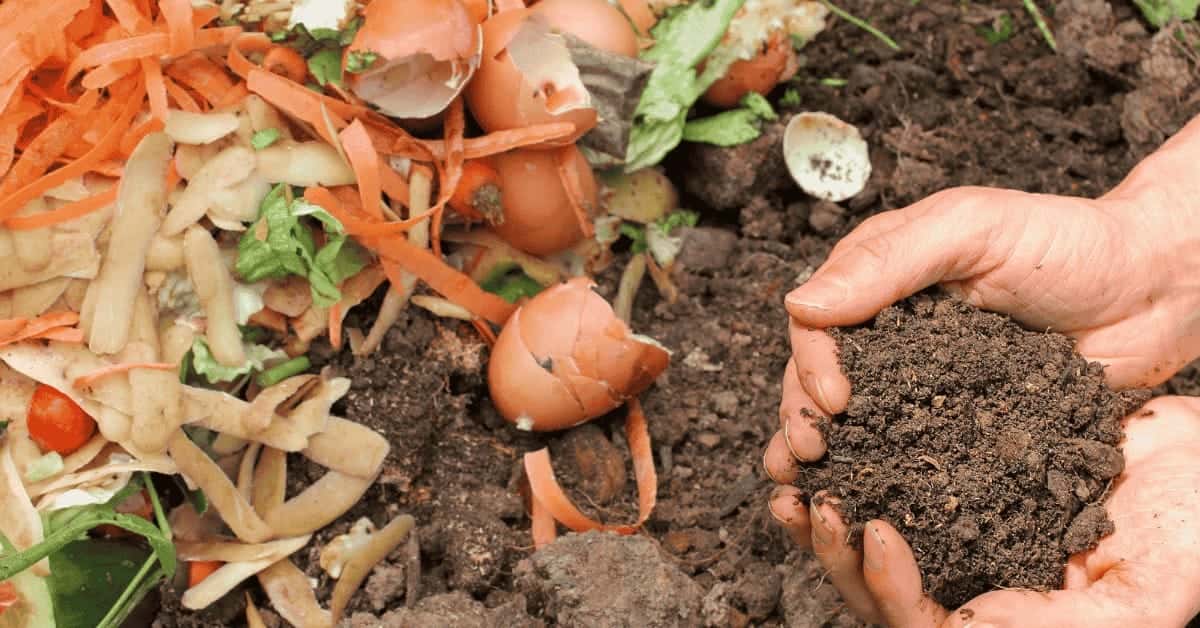
As organizations worldwide seek sustainable solutions for organic waste management, two important techniques stand at the forefront: anaerobic digestion and composting. Both processes transform organic waste into valuable resources, but they operate on fundamentally different principles and offer distinct advantages. The path an organization chooses influences its environmental impact, resource recovery potential, and operational efficiency, making it essential to weigh each option carefully.
What is Anaerobic Digestion?
Anaerobic digestion is a biological process that breaks down organic material in an oxygen-free environment. This controlled process occurs in sealed vessels known as anaerobic digesters where naturally occurring microorganisms decompose organic waste, producing biogas and nutrient-rich digestate. The biogas, primarily composed of methane and carbon dioxide, can be captured and used as a renewable energy source for electricity generation, heating, or vehicle fuel. The remaining digestate serves as a valuable fertilizer, rich in nitrogen, phosphorus, and potassium. The process typically takes between 5-30 days, depending on the feedstock composition and system design, with modern facilities incorporating advanced monitoring systems to optimize performance and output quality.
What is Composting?
Composting is an aerobic process that decomposes organic matter in the presence of oxygen. This natural biological process combines organic materials with water and oxygen to create an environment where bacteria, fungi, and other microorganisms can thrive and break down the waste. The end product is a stable, nutrient-rich soil amendment that improves soil structure, adds beneficial microorganisms, and enhances plant growth. Composting can be conducted at various scales, from backyard bins to industrial facilities, making it a versatile solution for organic waste management. The process typically progresses through distinct phases: mesophilic, thermophilic, and maturation, each characterized by different microbial activities and temperature ranges.
Pros & Cons of Anaerobic Digestion
Anaerobic digestion turns waste into energy and fertilizer. The technology offers significant benefits but also comes with important challenges.
Renewable Energy Generation
The process generates renewable energy in the form of biogas, which can be used for electricity generation, heating, or converted into vehicle fuel. This creates a valuable energy source that can offset operational costs or be sold back to the grid.
Captures All Greenhouse Gases
Thanks to the sophisticated technology of anaerobic digestion systems, all greenhouse gases emitted during the digestion process can be harnessed for renewable energy.
High-Quality Fertilizer Production
During digestion, organic materials are converted into nutrient-rich liquid fertilizers. This digestate contains optimal levels of nitrogen, phosphorus, and potassium, making it a valuable agricultural product.
Year-Round Operation
Unlike some waste management solutions, anaerobic digestion systems operate consistently throughout the year, unaffected by weather conditions or seasonal changes. This ensures steady processing capacity and reliable output.
Enhanced Environmental Impact
The system significantly reduces greenhouse gas emissions compared to traditional composting methods while also processing a wider variety of organic wastes, including meat and dairy products that are typically challenging to handle.
High Capital Requirements
The initial setup requires substantial investment in infrastructure, equipment, and facility construction. Due to the complex nature of the system, operating costs also tend to be higher. However, partnering with an organic recycling provider eliminates the need for organizations to develop their own anaerobic digestion facility.
Pros & Cons of Composting
Composting represents a more traditional approach to organic waste management, offering its own unique set of benefits and limitations.
Cost-Effective Implementation
The process requires lower initial investment and operational costs compared to an anaerobic digestion facility. With simpler technology and fewer mechanical components, both setup and maintenance remain budget-friendly. Sustainable waste management providers can also relieve the burden of managing composting needs by offering organic recycling solutions such as mailback programs and pick up programs.
Produces Nutrient-rich Fertilizer
Businesses interested in managing commercial gardens or crops can enjoy the self-sustained development of nutrient-rich fertilizers with on-site composting.
Weather Dependency
The composting process is significantly influenced by weather conditions, affecting both efficiency and consistency throughout the year. This vulnerability to environmental factors can impact operational reliability.
Slow Decomposition Process
Depending on the amount of oxygen, moisture, and organic materials used, composting can take as long as a year or more to fully decompose. When that happens, it's possible for harmful greenhouse gases to be released – similar to organic compost deposited in landfills.
Limited Waste Types
Certain organic materials, particularly meat and dairy products, are not suitable for traditional composting, restricting the types of waste that can be processed effectively.
Mapping Your Path to Sustainable Organic Waste Management
The decision between anaerobic digestion and composting depends on various factors specific to your organization. For businesses that grow crops or gardens on location, creating an on-site composting solution can provide an endless source of high-quality fertilizer. When working with an organics recycling provider, anaerobic digestion typically offers businesses of all sizes a more sustainable waste management solution; there's no need to invest in the development of an anaerobic digestion system.
Whether your organization needs high-volume pickups across multiple locations or intermittent solutions, organic waste can be diverted from landfills and recycled into biogas or fertilizer.
Book a consultation with CheckSammy today to discover the best organic recycling solution for your enterprise.