Back to blog
BlogMar 10, 20255 min readBy Kelly Russell
Fabric Scrap Recycling: 5 Options for Designers
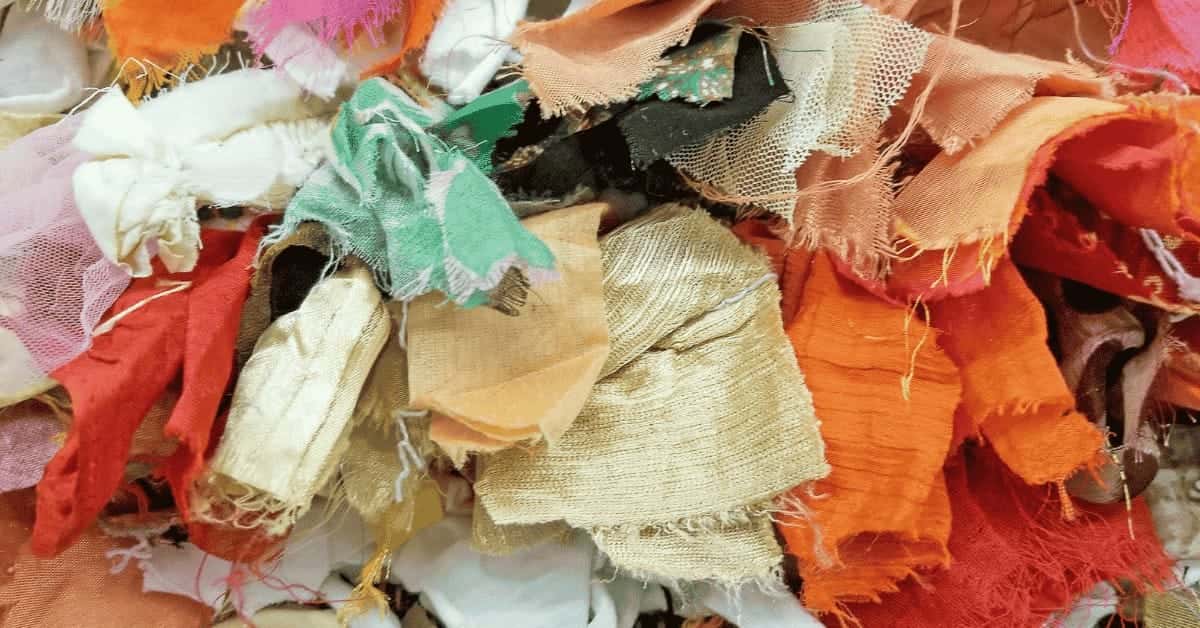
Fabric waste is a hidden challenge in the fashion and design industries. Whether you're a small business crafting handmade pieces or a large-scale manufacturer, fabric scraps quickly pile up. Tossing them in the trash may seem like the easiest option, but those scraps come at an environmental cost. Landfills are overflowing with textile waste, much of it synthetic, which lingers for centuries before breaking down. The good news? There are plenty of creative and sustainable ways to handle fabric scraps responsibly. From upcycling to professional textile recycling solutions, designers and businesses can turn waste into opportunity. By making smart choices about fabric disposal, companies can reduce their carbon footprint, conserve resources, and contribute to a more sustainable industry.
Why Recycle Fabric Scraps?
Fabric scraps may seem insignificant, but their environmental impact is far-reaching. When left unaddressed, textile waste contributes to pollution, resource depletion, and climate change. Here are four important reasons for recycling fabric scraps:
Reduces Landfill Waste
The fashion and textile industries generate millions of tons of waste annually, much of which ends up in landfills. Unlike biodegradable organic waste, many synthetic textiles take centuries to break down, releasing harmful chemicals into the environment. Recycling fabric scraps minimizes landfill overflow and helps reduce pollution, making it a responsible step toward environmental conservation.
Conserves Natural Resources
Textile production is resource intensive, requiring large quantities of water, energy, and raw materials. Cotton, for instance, demands significant water consumption, while synthetic fabrics rely on petroleum-based resources. By recycling fabric scraps, businesses help conserve these precious materials and lessen the demand for new production.
Reduces Carbon Emissions
Manufacturing new textiles contributes to greenhouse gas emissions due to energy-intensive processes such as dyeing, weaving, and transportation. By incorporating fabric recycling initiatives, designers and manufacturers can significantly cut down on emissions. Reusing and repurposing fabric waste also reduces the need for additional production, further mitigating environmental impact.
Protects Brand Reputation
Improper disposal of branded fabrics or unsold inventory can lead to reputational risks if these materials end up in unauthorized markets or landfills. Utilizing debranding services ensures that discarded textiles are properly processed, preventing misuse while reinforcing a company's commitment to sustainability and ethical practices. Responsible recycling strategies safeguard brand integrity while aligning with corporate social responsibility efforts.
Meets Sustainability Goals
Many companies are committing to Environmental, Social, and Governance (ESG) initiatives, seeking sustainable solutions to align with corporate responsibility standards. Implementing fabric scrap recycling programs not only supports these objectives but also enhances brand reputation, making businesses more attractive to eco-conscious consumers.
"Fabric Scrap Recycling"
What to Do with Fabric Scraps
Businesses and designers have numerous sustainable options to explore rather than discarding fabric scraps. Whether through creative reuse, donation, or professional recycling, fabric scraps can be given a second life in ways that benefit both the environment and the community.
Upcycling into New Products
One of the most effective ways to handle fabric waste is through upcycling, which involves transforming scraps into new products. Small pieces of fabric can be sewn together to create patchwork designs, accessories, or home textiles. Many designers have embraced upcycling as a creative approach that adds unique character to their products while reducing waste.
Donating to Community Programs
Fabric scraps that are still in good condition can be donated to schools, art programs, or non-profits that support craft initiatives. These organizations use the material for educational purposes, DIY projects, or even to create items for charitable causes. Donating fabric scraps extends their lifecycle and benefits communities in need.
Partnering with Textile Recycling Facilities
Working with a textile recycling facility is an efficient solution for designers and businesses producing large quantities of textile waste. These specialized organizations sort, process, and repurpose fabric scraps into new materials such as insulation, industrial rags, or even regenerated fibers. It ensures that waste is redirected from landfills and given a second life.
Composting Natural Fibers
Composting is a viable option for fabrics made from 100% natural fibers such as cotton, linen, or wool. These materials break down organically and can be added to composting systems. However, it's essential to ensure that the fabrics are free from synthetic dyes and chemical treatments before composting.
Creating Fabric Swatch Libraries
Many designers maintain swatch libraries where they store excess fabric for future projects. Keeping an organized inventory of leftover textiles can help reduce the need to purchase new materials and inspire innovative designs. Fabric swatch libraries are particularly useful for small-scale projects, sample-making, and prototyping.
Comprehensive Textile Recycling Solutions for Businesses
For organizations and designers dealing with significant textile waste, professional recycling services offer a reliable and sustainable solution. With structured programs in place, fabric waste can be efficiently collected, sorted, and repurposed into new materials or products. These recycling services may include bulk textile collection, advanced sorting methods, and fiber regeneration processes that help divert large amounts of fabric waste from landfills.
By incorporating a commercial textile recycling solution, businesses can simplify waste management, enhance their sustainability efforts, and actively contribute to the circular economy. Choosing a specialized textile recycling partner ensures that fabric scraps are handled responsibly, reducing environmental impact while aligning with corporate sustainability initiatives.
Book a consultation with CheckSammy today to explore customized textile recycling solutions for your enterprises.