Back to blog
BlogMar 12, 20254 min readBy Kelly Russell
Commercial Plastic Recycling: Finding the Right Partner for Your Business
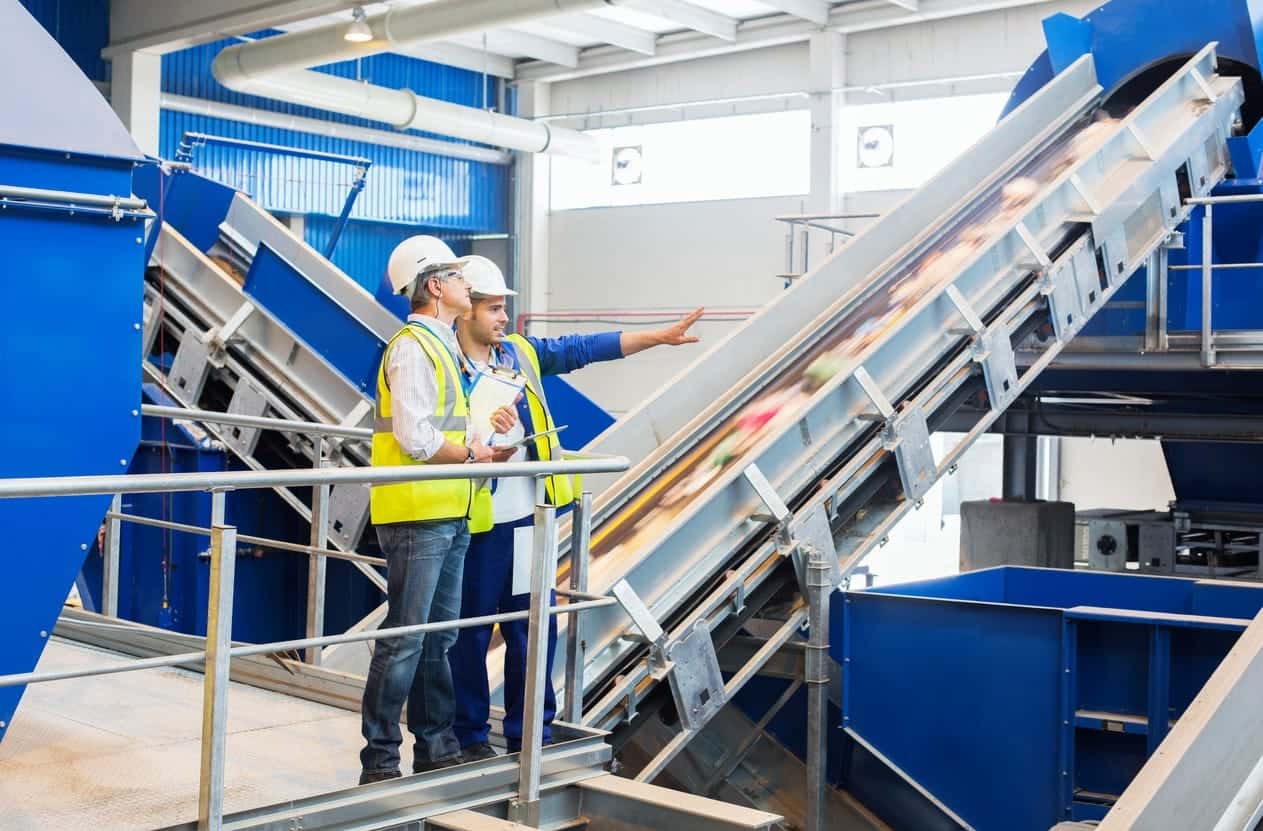
Plastic waste is a growing concern for businesses across several industries. From packaging materials to manufacturing byproducts, plastic accounts for a significant portion of commercial waste. As sustainability takes center stage, organizations are under increasing pressure to implement responsible waste management strategies. However, effective plastic recycling is not just about compliance—it’s about efficiency, cost savings, and brand reputation.
For businesses handling large volumes of plastic waste, finding the right recycling partner is essential. The right provider will offer tailored solutions that streamline waste management, maximize recycling rates, and contribute to a more sustainable future. But with so many options available, how do you identify a reliable commercial plastic recycling partner? Here are six key factors to consider when selecting the best service for your business.
Choose a Recycler with Industry Expertise
Not all plastic recyclers are equipped to handle commercial-scale waste. Some focus on residential recycling, while others specialize in specific types of plastics. Before committing to a partner, verify their expertise in handling the plastics your business generates.
A knowledgeable recycler should provide insight into the recyclability of different plastics, the best processing methods, and potential end markets for recycled materials. They should also understand industry regulations and compliance requirements, ensuring your business remains in line with environmental standards. Whether you’re in manufacturing, retail, or logistics, partnering with a recycler familiar with your sector ensures a seamless and effective recycling program.
Ensure Transparency in Recycling Processes
Transparency is a key indicator of a trustworthy recycling partner. Some companies claim to recycle plastics but actually send a large portion to landfills or overseas facilities with questionable environmental practices. To avoid greenwashing, ask potential partners for detailed reports on how your waste is processed.
A reliable recycler should provide clear documentation, including diversion rates and downstream tracking. This level of transparency allows businesses to measure their sustainability impact and ensures that plastics are being repurposed responsibly. Also, look for certifications such as ISO 14001 (Environmental Management Systems) or R2 (Responsible Recycling), which indicate adherence to industry best practices.
Prioritize Customization and Scalability
Every business has unique recycling needs, which means a one-size-fits-all approach rarely works. An effective plastic recycling partner should offer flexible solutions tailored to your specific waste streams, volume, and operational constraints.
Look for a provider that can handle a variety of plastic types, including PET, HDPE, LDPE, and polystyrene, and offers services like on-site collection, mailback programs, baling, and secure transportation. As your business grows, your recycling needs will evolve, so choosing a scalable partner ensures that your sustainability efforts remain consistent over time.
Consider the Economic Benefits of Recycling
Recycling isn’t just about environmental responsibility—it can also provide financial advantages. Some recyclers offer rebates for high-quality plastic waste, turning discarded materials into a revenue stream for your business. Others help optimize waste management processes, reducing disposal costs and improving overall efficiency.
A cost-effective recycling program should include waste audits to identify inefficiencies and opportunities for cost savings. By diverting plastics from landfills and integrating circular economy principles, businesses can reduce their environmental impact while enhancing their bottom line.
Look for Value-Added Services
Beyond basic collection and processing, top-tier recycling partners offer additional services that enhance waste management strategies. Many provide comprehensive waste audits to assess waste generation patterns and optimize recycling efforts. Some also offer employee training to ensure proper recycling practices and minimize contamination. Businesses seeking to further reduce waste may benefit from zero-waste programs that transition them toward a circular waste management approach. Also, technology integration—such as digital tracking and analytics—can help monitor waste diversion rates and improve recycling efficiency.
Such services go beyond simple waste removal, turning recycling into a proactive sustainability initiative rather than just a compliance requirement.
Work with a Partner Committed to Sustainability
A strong commercial plastic recycling partner should align with your sustainability goals, not just provide a disposal service. Look for a company that invests in innovative recycling technologies, promotes closed-loop solutions, and actively reduces landfill reliance.
Sustainability-focused recyclers often collaborate with businesses to develop circular economy programs, where plastics are repurposed into new products rather than discarded. By choosing a partner that prioritizes environmental impact, your business can contribute to a greener future while enhancing its corporate social responsibility (CSR) profile.
Sustainable Plastic Recycling Solutions for Businesses
Finding a commercial plastics recycling service that aligns with your sustainability goals can be challenging, but the right partner makes all the difference. A reliable provider will offer transparent processes, scalable solutions, and value-added services that help your business achieve maximum waste diversion.
Contact CheckSammy to book a consultation and discover how our tailored recycling solutions can support your sustainability objectives.