Back to blog
BlogApr 4, 20255 min readBy Kelly Russell
Reverse Logistics: 7 Tips for Improving Your Process
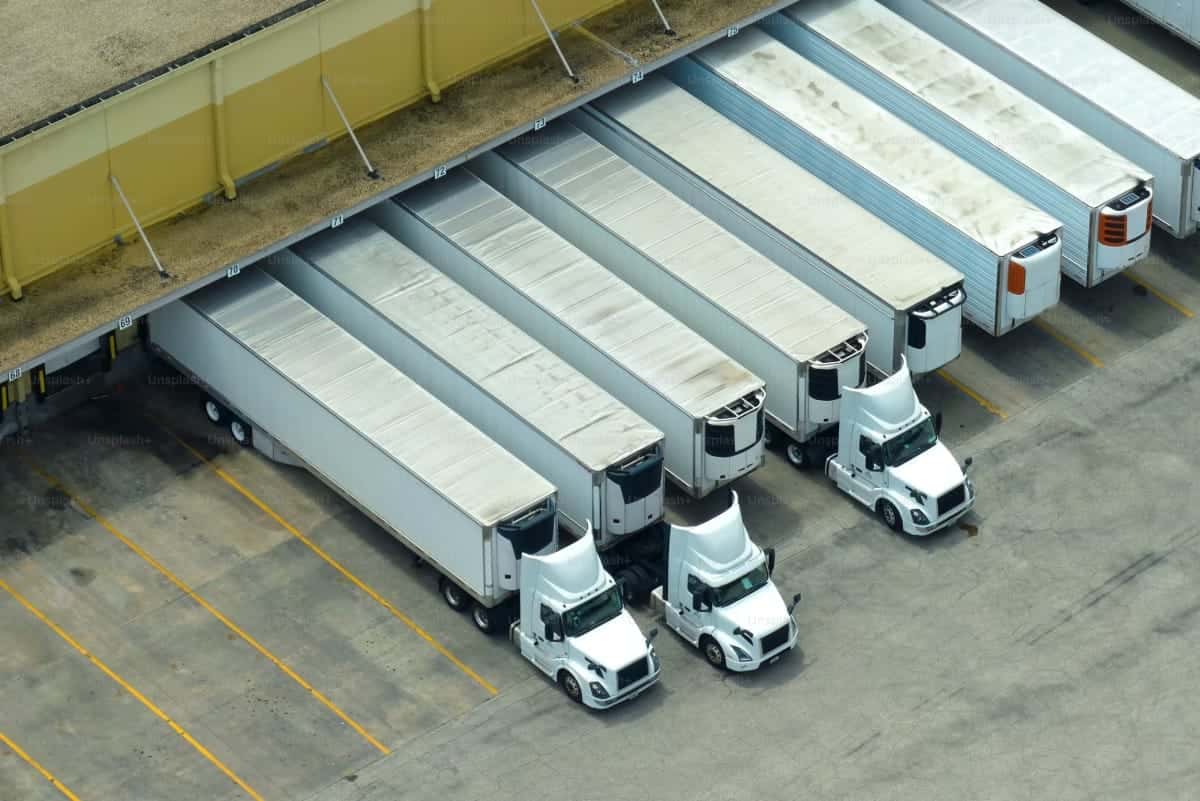
Reverse logistics plays an important role in waste management, helping businesses reduce environmental impact, recover valuable resources, and streamline disposal efforts. Companies that ignore the efficiency of their reverse logistics process are often faced with increased costs, regulatory challenges, and operational inefficiencies. However, by refining how materials, products, and waste are retrieved and processed, businesses can maximize value while minimizing waste. Here are seven tips to help your organization make the most of its reverse logistics process!
Improve Transparency in Your Supply Chain
A well-structured reverse logistics strategy depends on clear visibility into the supply chain. Without proper tracking, waste and surplus materials can be mishandled, leading to unnecessary waste and increased costs. Real-time monitoring and digital tracking tools ensure businesses have accurate insights into product returns, damaged inventory, and end-of-life materials.
Investing in supply chain visibility not only helps businesses track materials but also enables them to identify inefficiencies. For instance, data can reveal patterns in product returns, allowing businesses to pinpoint recurring issues and adjust their operations accordingly. Transparency also fosters accountability, ensuring that waste is properly sorted, repurposed, or disposed of in compliance with regulations.
Streamline Returns and Disposal Processes
A common bottleneck in reverse logistics is the inefficient handling of returns. Many companies struggle with inconsistent processes that lead to delays, excess inventory, and wasted materials. Establishing standardized protocols for returns and disposal helps streamline these efforts and reduces unnecessary costs.
Businesses should implement a structured system to sort, assess, and determine the best course of action for each item.Some materials can be refurbished, while others may be repurposed or responsibly recycled. Partnering with a specialized waste management provider can help businesses implement an effective system that prioritizes sustainability while optimizing operational efficiency.
Implement Smart Waste Segmentation
Not all waste should be treated equally. A successful reverse logistics strategy involves segmenting materials based on their potential for reuse, recycling, or responsible disposal. Many businesses make the mistake of treating all returned or discarded items as junk when, in reality, a large percentage of materials can be repurposed.
By properly categorizing waste, businesses can reduce the volume sent to landfills and identify revenue opportunities in reselling, refurbishing, or recycling certain products. It not only cuts down on disposal costs but also supports corporate sustainability initiatives. Companies that leverage smart waste segmentation see a significant reduction in unnecessary waste and a measurable improvement in resource recovery.
Leverage Data-Driven Decision-Making
One of the most effective ways to improve reverse logistics is through data-driven insights. Many businesses fail to analyze return and disposal patterns, leading to missed opportunities for process optimization. Tracking key metrics such as return rates, disposal costs, and material recovery percentages can provide valuable insights into areas for improvement.
Data can reveal inefficiencies, such as excessive returns due to product defects or inefficient disposal methods that increase costs. By utilizing analytics, companies can make informed decisions to optimize their waste management processes. Businesses that integrate data analytics into their reverse logistics strategy can improve sustainability efforts, reduce expenses, and enhance operational efficiency.
Utilize Debranding Services
When handling returned or surplus goods, businesses need to consider brand protection. Discarded items that still carry logos, labels, or trademarks can pose reputational and security risks if they end up in the wrong places. That’s where debranding services come in. These services ensure that brand identifiers are removed before products are resold, recycled, or disposed of, safeguarding a company’s image and intellectual property.
Ensure Efficient Transportation
Getting unused goods from one point to another efficiently is a crucial part of reverse logistics. Without a well-organized transportation system, materials can get delayed, misplaced, or even disposed of improperly. To avoid inefficiencies, businesses need a streamlined approach to moving returned or surplus goods to their next destination—whether that’s a recycling center, a refurbishment facility, or a secondary market.
Sustainable service providers with access to a wide network of facilities make this process much easier. The right partner ensures that goods are rerouted in the most efficient way possible, reducing unnecessary transportation costs and cutting down on environmental impact. Whether it’s consolidating shipments, optimizing transport routes, or leveraging local processing centers, having a logistics partner with a broad reach keeps operations running smoothly and sustainably.
Partner with Experts for Sustainable Solutions
Reverse logistics can be complex, especially when dealing with large-scale waste management. Many businesses lack the internal resources or expertise to manage the process efficiently. Partnering with a specialized reverse logistics provider ensures that waste is handled responsibly while maximizing cost savings and sustainability benefits.
A professional waste management partner can help businesses develop customized solutions for waste recovery, recycling, and disposal. By outsourcing these efforts, companies can focus on their core operations while ensuring compliance with environmental regulations. The right partner will provide transparency, strategic insights, and streamlined processes to make waste management more efficient and environmentally responsible.
Take the Next Step Toward Smarter Waste Management
Reverse logistics is a critical component of modern waste management, offering businesses a pathway to reduce waste, optimize costs, and enhance sustainability efforts. By improving transparency, streamlining returns, segmenting waste effectively, leveraging data, and partnering with experts, businesses can turn waste management into a strategic advantage.
For businesses looking to improve their waste management processes, expert guidance can make all the difference. Schedule a free consultation with CheckSammy to learn how tailored reverse logistics solutions can help meet your sustainability goals while optimizing your operations.