Back to blog
BlogApr 7, 20256 min readBy Kelly Russell
Sustainable Reverse Logistics: Protecting Your Brand Identity
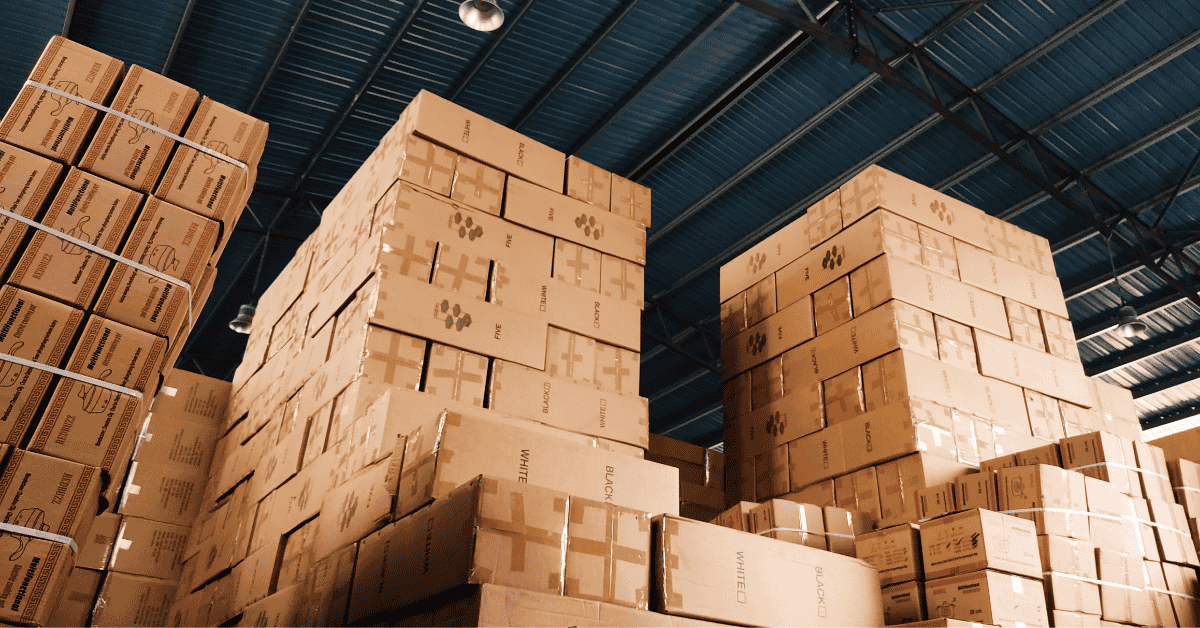
A product’s journey doesn’t end when it reaches a customer. Returns are just as critical as distribution—yet many businesses overlook how reverse logistics impacts their brand identity. Mishandled returns can lead to uncontrolled resale in secondary markets, environmental waste, and lost customer trust. Businesses with a well-managed reverse logistics process can protect both their reputation and the environment, turning a potential liability into a competitive advantage.
Why Brand Protection Matters in Reverse Logistics
A brand’s reputation is closely tied to how it manages returned products. Without a controlled reverse logistics strategy, businesses risk unauthorized resale, entry into gray markets, and environmentally harmful disposal practices—all of which can damage brand identity. When returned items are improperly handled, consumers may question a company’s commitment to quality, sustainability, and ethical business practices. Implementing a responsible reverse logistics system helps brands maintain control over their products, ensuring they’re properly refurbished, recycled, or disposed of in a way that aligns with company values.
The Risks of Uncontrolled Product Returns for Brand Identity
Businesses that don’t properly manage product returns can face a wide range of problems, which can impact their profitability, reputation, and ESG scores.
Secondary Market Cannibalization
Uncontrolled product returns can flood unauthorized secondary markets, where discounted or mishandled items undercut primary sales and dilute brand value. When excess inventory or returns are resold through unofficial channels, consumers may purchase products at a lower price without the brand’s oversight on quality, warranty, or customer experience. It can erode pricing power, create inconsistencies in product presentation, and damage the brand’s perceived exclusivity.
Environmental Impact
Businesses can find it challenging to handle products with complex packaging materials, damaged components, or specialized formulas. Without a clear reverse logistics strategy, returns can end up being simply thrown away, contributing to landfill waste and pollution.
For instance, electronic devices contain toxic elements like mercury, lead, or brominated flame retardants, which can seep into the soil and waterways when abandoned in landfills. Businesses are being increasingly scrutinized for their environmental performance. Organizations could receive a poor ESG score for failing to recognize sustainable product return management.
Financial Losses
Uncontrolled returns lead to increased operational costs, including storage, transportation, and disposal fees. Without a streamlined process, businesses lose money on inefficient handling and missed opportunities for product refurbishment or resale. These additional costs can also affect pricing strategies, leading to higher costs for consumers and a weakened competitive edge in the market.
Customer Dissatisfaction
Consumers increasingly expect brands to handle returns sustainably. Companies that send returned products to landfills instead of repurposing or recycling materials risk alienating environmentally conscious shoppers. For example, footwear brands that fail to reuse textiles from worn shoes or fashion retailers without recycling programs contribute to unnecessary waste. As sustainability becomes a key factor in purchasing decisions, brands that ignore eco-friendly reverse logistics may lose customer trust to competitors with more responsible practices.
4 Key Benefits of Sustainable Reverse Logistics in Protecting Brand Identity
Handled the right way, returns can strengthen your brand instead of harming it. Here are four benefits of sustainable reverse logistics for your brand’s identity:
Enhanced Customer Loyalty
Customers are more likely to stay loyal to brands that integrate sustainability into their reverse logistics. Beyond just offering eco-friendly products, companies that ensure responsible handling of returns—such as refurbishing electronics, repurposing textiles, or operating take-back programs—build deeper trust with environmentally conscious consumers. When shoppers see that a brand prioritizes sustainability at every stage, including post-purchase, they’re more likely to remain engaged, advocate for the company, and make repeat purchases.
Environmental Responsibility
Sustainable reverse logistics practices reinforce a company’s commitment to waste reduction and resource conservation. Programs that focus on recycling, donation, or repurposing materials help brands minimize their environmental footprint and align with global sustainability goals. As governments introduce stricter regulations and consumers demand greater transparency, businesses that actively reduce landfill waste and promote circular economy principles gain credibility, compliance advantages, and a stronger market position.
Cost Efficiency
Sustainable reverse logistics helps businesses recover value from returned products by focusing on resale, refurbishment, and material recovery rather than disposal. By repurposing materials, recycling components, or donating usable items, companies minimize waste while maximizing resource efficiency. Reducing landfill dependency not only lowers disposal costs but also aligns with sustainability goals, improving long-term profitability. Brands that integrate circular economy practices into their reverse logistics can turn returns into valuable assets rather than financial burdens.
Stricter Quality Control
A well-managed reverse logistics strategy ensures that only genuine, high-quality products remain in circulation while defective or unsellable items are properly disposed of or recycled. By implementing rigorous inspection and testing processes, companies can prevent faulty or fraudulent products from reaching customers, protecting both brand integrity and customer safety. Strict quality control in reverse logistics also ensures that refurbished or resold products meet the same high standards as new items, reinforcing consumer trust in the brand’s commitment to excellence. Sustainability Reverse Logistics
Building a Trusted Reverse Logistics Process for Your Brand
A well-managed reverse logistics system safeguards brand integrity by ensuring returned products are properly handled, repurposed, or recycled. Implementing the right strategies helps prevent unauthorized resale, reduce waste, and reinforce sustainability commitments.
Utilize Technology for Sustainable Tracking
Implement tracking tools to monitor returned products, ensuring they are refurbished, recycled, or ethically disposed of instead of sent to landfills. Data-driven insights help businesses identify opportunities for material recovery, reduce waste, and improve sustainability efforts. Advanced tracking systems also provide transparency into how returned goods are repurposed, reinforcing the brand’s commitment to environmental responsibility.
Partner with Sustainable Third-Party Providers
Work with logistics providers that specialize in eco-friendly reverse logistics. The right partners help businesses minimize waste by ensuring that returned products are properly refurbished, recycled, or repurposed. By collaborating with sustainability-focused experts, companies can align their operations with environmental goals while maintaining control over responsible disposal practices.
Enlist Debranding Services
Proper debranding ensures that returned, damaged, or unsellable products do not end up in secondary markets where they could misrepresent the brand. By working with debranding services, businesses can responsibly remove logos, labels, and branding from products before recycling or repurposing them. This helps protect brand integrity while ensuring that materials are sustainably reintegrated into the supply chain rather than discarded.
Train Staff on Sustainable Reverse Logistics Protocols
Educating employees on sustainable handling, refurbishment, and disposal of returned products ensures that materials are reused whenever possible. Proper training helps reduce unnecessary waste and supports a culture of environmental responsibility within the organization. Staff who understand the value of sustainability in reverse logistics can make informed decisions that align with the company’s waste reduction initiatives.
Exploring Sustainable Reverse Logistics Solutions
Sustainable reverse logistics isn’t just about managing returns—it’s about protecting your brand’s reputation, maintaining customer trust, and reducing environmental impact. Businesses that prioritize responsible product recovery can turn returns into an opportunity for positive brand reinforcement. Partnering with experts in reverse logistics helps ensure that returns are handled efficiently and sustainably.
To explore sustainable waste solutions tailored to your industry, book a consultation today.