Back to blog
BlogMay 2, 20255 min readBy Kelly Russell
The Importance of Regular HVAC Maintenance for Businesses
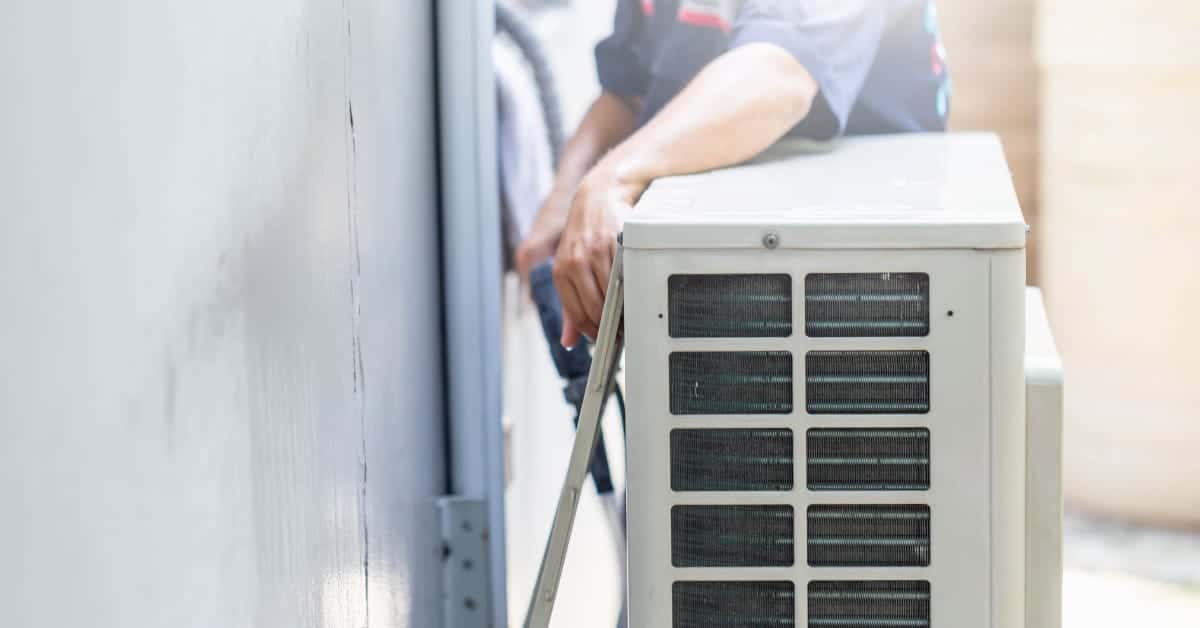
Your commercial HVAC system works silently in the background, creating comfortable environments where employees can focus and customers feel welcome. Yet this critical infrastructure is often overlooked until something goes wrong. When systems fail, businesses face emergency repair costs, operational disruptions, and uncomfortable conditions that impact everyone in the building. Regular HVAC maintenance isn't just about preventing breakdowns—it's about protecting your investment, optimizing energy efficiency, and ensuring consistent performance throughout the system's lifespan. For facility managers and business owners, understanding the value of preventative HVAC services creates opportunities to reduce operational costs while maintaining optimal indoor environments.
What is HVAC Maintenance?
HVAC maintenance is a comprehensive program of scheduled inspections, cleaning, testing, and preventative care designed to keep heating, ventilation, and air conditioning systems functioning at peak performance. Unlike emergency repairs, which address failures after they occur, maintenance focuses on identifying and resolving potential issues before they cause problems. Professional HVAC maintenance involves examining all system components—from air handlers and compressors to ductwork and controls—to ensure they operate correctly and efficiently. This proactive approach extends equipment lifespan, improves energy efficiency, and maintains consistent indoor air quality.
What is Done During HVAC Maintenance?
What does HVAC maintenance include? It encompasses everything from basic filter changes to complex calibration of electronic controls, all aimed at preventing costly breakdowns and optimizing system performance.
Comprehensive System Inspection
Technicians conduct thorough visual and operational inspections of all HVAC components, checking for wear, damage, or potential failures. It includes examining electrical connections, mechanical parts, and system controls to identify issues that could lead to malfunctions.
Air Filter Replacement
Regular replacement of air filters improves indoor air quality and system efficiency. Clogged filters restrict airflow, forcing systems to work harder and consume more energy while reducing effectiveness.
Coil Cleaning
Condenser and evaporator coils collect dirt and debris over time, which insulates them and reduces their ability to transfer heat. Clean coils operate more efficiently and provide better heating and cooling performance.
Ductwork Examination
Technicians inspect ductwork for leaks, obstructions, or damage that could compromise airflow and system efficiency. Proper duct maintenance ensures conditioned air reaches its intended destinations without waste.
Lubrication of Moving Parts
Moving components require proper lubrication to reduce friction, prevent overheating, and minimize energy consumption. Regular lubrication extends the life of motors, bearings, and other mechanical parts.
Thermostat Calibration
Accurate temperature control depends on properly calibrated thermostats. Technicians verify and adjust settings to ensure systems operate only when needed and maintain desired temperatures efficiently.
Refrigerant Level Check
Optimal refrigerant levels are essential for proper cooling. Technicians measure refrigerant pressure and add refrigerant if necessary, while also checking for leaks that could impact system performance.
Why is Regular Commercial HVAC Maintenance Important?
Extended Equipment Lifespan
Regular maintenance significantly extends the operational life of HVAC systems. Well-maintained equipment can last 15-20 years, while neglected systems often fail prematurely, requiring costly replacements much sooner.
Improved Energy Efficiency
Dirty coils, clogged filters, and poorly lubricated parts all increase energy consumption. Well-maintained HVAC systems operate more efficiently than neglected ones, requiring less energy to produce the same heating and cooling output. This improved efficiency translates to significant utility savings for businesses over time, reducing monthly operating costs while maintaining optimal indoor comfort.
Enhanced Indoor Air Quality
HVAC systems influence the air quality throughout your facility. Regular maintenance ensures proper filtration, ventilation, and humidity control, creating healthier environments for employees and customers.
Reduced Repair Costs
Preventive maintenance identifies and addresses minor issues before they escalate into major problems. The cost of regular maintenance is significantly lower than emergency repairs and system replacements.
Business Continuity Protection
HVAC failures can disrupt operations, potentially closing businesses until repairs are completed. Maintenance minimizes the risk of unexpected breakdowns that interrupt normal business activities.
HVAC Maintenance vs Service
While sometimes used interchangeably, HVAC maintenance and service represent different approaches to system care. Maintenance is proactive and scheduled regularly to prevent problems and optimize performance. Service is reactive, addressing specific issues after they've already occurred.
HVAC services often involve troubleshooting and repairing components that have failed or are performing poorly. These reactive interventions typically cost more and cause greater disruption than routine maintenance. A comprehensive approach includes both scheduled maintenance to prevent problems and prompt service when unexpected issues arise.
How Much Does Commercial HVAC Maintenance Cost?
Commercial HVAC maintenance costs vary based on several factors, including system size, complexity, building type, equipment age, and the scope of maintenance performed. Each business has unique needs that influence overall maintenance expenses. Rather than viewing maintenance as an expense, businesses should consider it an investment that yields returns through reduced energy costs, fewer repairs, and extended equipment life.
How Often Should HVAC Maintenance Be Performed?
Most commercial HVAC systems benefit from bi-annual maintenance—once before heating season and once before cooling season. This schedule ensures systems are prepared for seasonal demands and operate efficiently during peak usage periods.
However, facilities with critical temperature requirements, 24/7 operations, or specialized environmental needs may require more frequent attention. Your maintenance provider can recommend an appropriate schedule based on your specific equipment, usage patterns, and operational requirements.
HVAC Maintenance for Your Business
Implementing a regular HVAC maintenance program protects your business from unexpected disruptions while optimizing operational efficiency. By partnering with qualified HVAC professionals, you ensure your heating, ventilation, and air conditioning systems receive the specialized care needed to maintain peak performance.
Book a consultation today to develop a maintenance program tailored to your specific needs and operational requirements.