Back to blog
BlogMay 30, 20256 min readBy Kelly Russell
Electrical Preventive Maintenance Checklist for Facilities
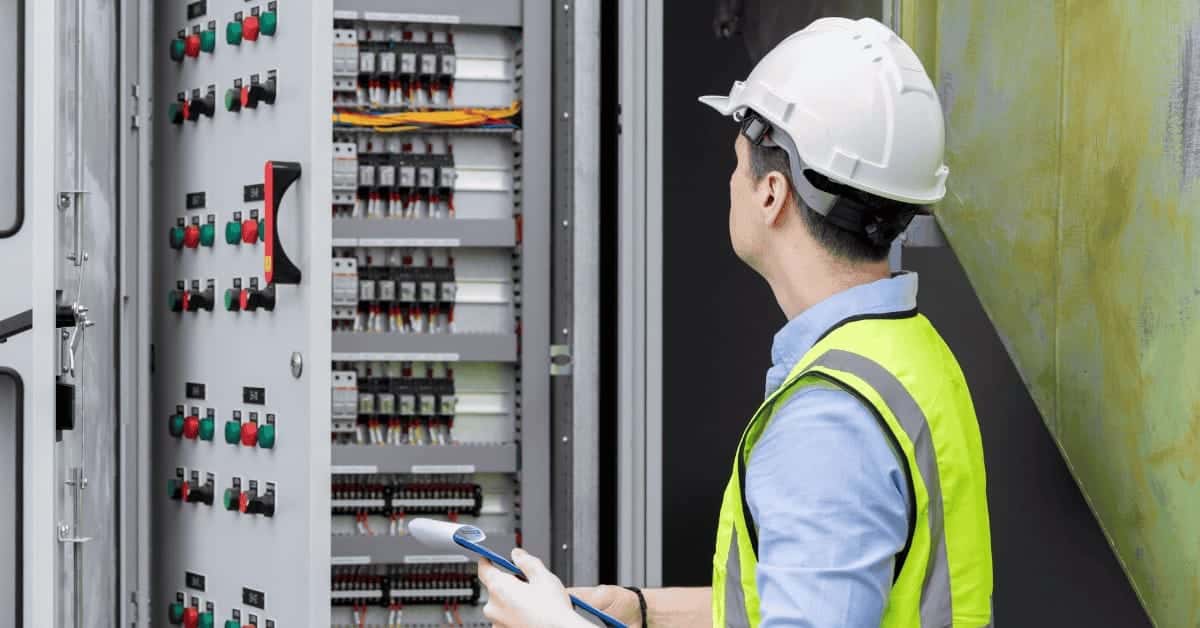
Power outages and electrical failures don't just disrupt operations—they threaten safety, damage equipment, and directly impact your bottom line. Behind nearly every business disruption lies an electrical system that could have benefited from regular preventive maintenance. The hidden vulnerabilities in aging electrical infrastructure often reveal themselves at the worst possible moments, creating cascading problems from production delays to complete facility shutdowns. Effective electrical maintenance goes beyond fixing broken components—it proactively identifies weaknesses before they become emergencies and ensures your electrical systems deliver consistent, reliable performance when your business needs it most.
What is an Electrical Preventive Maintenance Checklist?
An electrical preventive maintenance checklist is a comprehensive framework that guides routine inspection, testing, and maintenance of all electrical systems and components throughout a facility. This structured approach ensures critical electrical infrastructure receives consistent attention according to manufacturer specifications and industry standards. Unlike reactive maintenance, which addresses problems after failure, preventive maintenance identifies potential issues during regular, scheduled examinations of equipment and systems. A well-designed checklist serves as both a roadmap for maintenance personnel and documentation of a facility's commitment to electrical safety, reliability, and efficiency.
Why Electrical Preventive Maintenance is Crucial for Facilities
Preventive electrical maintenance delivers multiple benefits beyond simply avoiding downtime. First, it significantly enhances safety by identifying hazards like overheating connections, damaged insulation, or loose components before they cause shocks, fires, or other dangerous conditions. Regular maintenance also extends equipment lifespan by addressing minor issues before they accelerate component deterioration.
From a financial perspective, preventive maintenance serves as a strategic investment rather than an expense. Planned maintenance consistently costs less than emergency repairs while preventing costly business interruptions. Also, well-maintained electrical systems operate more efficiently, reducing energy consumption and associated costs.
Regulatory compliance is another critical factor in implementing preventive maintenance. Facilities must adhere to OSHA standards, National Fire Protection Association (NFPA) guidelines, and local building codes—all of which require regular inspection and maintenance of electrical systems. A documented maintenance program provides evidence of compliance during inspections or audits.
Types of Electrical Equipment that Require Preventive Maintenance
Comprehensive electrical services must address several critical systems within a facility to ensure reliable operation.
Distribution equipment forms the backbone of a facility's electrical system, consisting of panels, switchgear, transformers, and circuit breakers that control power flow throughout the building. Regular inspection ensures proper load distribution and identifies potential failure points.
Emergency systems, including backup generators, automatic transfer switches, and emergency lighting, require particular attention as they must function flawlessly during critical situations. Monthly testing under load conditions verifies operational readiness.
HVAC electrical components experience significant stress from continuous operation and environmental factors. Motors, controls, and connections need regular inspection to prevent unexpected failures during extreme weather when these systems are most needed.
Lighting systems affect both safety and productivity. Beyond simple bulb replacement, electrical maintenance should address ballasts, controls, sensors, and wiring to ensure reliable illumination.
Production equipment often contains specialized electrical components subject to harsh conditions, including vibration, temperature fluctuations, and contaminants. Custom maintenance protocols should address these unique challenges.
5 Electrical Preventive Maintenance Checklist Items to Follow
Visual Inspections
Regular visual examinations represent the first line of defense in electrical maintenance. These inspections should look for discoloration on connections indicating overheating, damaged insulation, corrosion, and improper equipment labeling. Also crucial is ensuring clear access to electrical panels and maintaining required clearance spaces around electrical equipment.
Thermal Imaging
Infrared scanning detects temperature variations that reveal potential problems invisible to the naked eye. This technology identifies hot spots in electrical panels, loose connections, overloaded circuits, and imbalanced loads before they cause failures. Documentation of thermal patterns over time helps identify developing issues.
Load Analysis and Testing
Regular monitoring of electrical loads verifies that circuits operate within their designed capacity. This analysis includes recording normal operating parameters, identifying load imbalances between phases, and testing protective devices to ensure they trip at appropriate thresholds.
Cleaning and Maintenance
Environmental factors significantly impact electrical systems. Regular cleaning removes dust, debris, and contaminants that can cause tracking, arcing, or component failure. This maintenance should include tightening connections, lubricating moving parts in circuit breakers, and replacing worn components before failure.
Documentation and Reporting
Comprehensive record-keeping creates a historical performance profile that helps predict future maintenance needs. Documentation should include inspection dates, findings, corrective actions, responsible personnel, and photographs of equipment condition. This information proves invaluable for troubleshooting and demonstrating compliance.
Considerations for Specific Facilities
Industrial Facilities
Manufacturing environments present unique challenges, including high power demands, variable loads, motor-driven equipment, and often harsh operating conditions. Industrial electrical maintenance must address equipment-specific requirements while managing redundancy for critical systems to prevent production interruptions.
Commercial Buildings
Office buildings and retail spaces focus on the reliability of lighting, HVAC controls, and technology infrastructure. These facilities often require maintenance scheduled during off-hours to minimize business disruption, with special attention to public safety systems.
Healthcare Facilities
Hospitals and clinics demand the highest reliability standards without tolerance for electrical failures in critical care areas. These facilities require specialized maintenance protocols addressing emergency power systems, isolated power for surgical areas, and medical equipment power quality requirements.
Data Centers
Data centers are the digital heart of many businesses. They require extraordinarily reliable power with multiple redundancy layers. Maintenance programs must ensure uninterrupted operation during testing through carefully orchestrated procedures that maintain system integrity.
How Often Should Electrical Equipment Be Inspected?
Maintenance frequency depends on several factors, including equipment type, age, environmental conditions, and criticality to operations. While manufacturer recommendations provide baselines, facility-specific considerations often dictate more frequent inspections.
Critical infrastructure like emergency generators and transfer switches typically requires monthly testing and annual comprehensive maintenance. Distribution equipment generally needs annual thermographic inspection and three-year complete maintenance. Lighting systems benefit from semi-annual group relamping and control system verification. Special environments—particularly those with high humidity, corrosive atmospheres, or extreme temperatures—necessitate more frequent inspection schedules.
Electrical Preventive Maintenance for Your Business
Implementing a comprehensive electrical preventive maintenance program represents one of the mostimportant investmentsa facility can make. Beyond immediate cost savings from reduced emergency repairs, preventive maintenance delivers compounding benefits through extended equipment life, improved efficiency, and enhanced safety. The most effective programs evolve over time, incorporating data from inspections to refine maintenance intervals and focus resources on areas of greatest vulnerability.
Partnering with experienced electrical service providers removes the burden of developing and implementing maintenance protocols while ensuring access to specialized diagnostic equipment and expertise. Professional electrical contractors bring broad experience across multiple facility types and can identify problems that might go unnoticed.
Book a consultation today to explore how our comprehensive electrician solutions can support your business.