Back to blog
BlogJun 2, 20255 min readBy Kelly Russell
Commercial Electrical Inspections: What to Expect During One
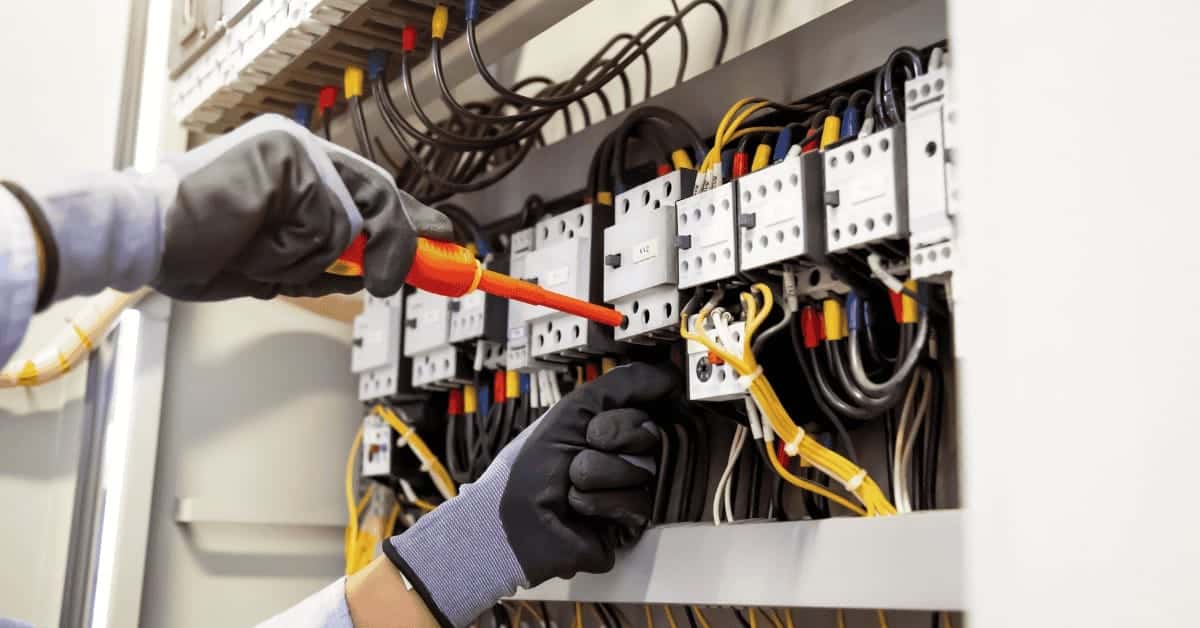
Commercial electrical systems power everything from lighting and HVAC systems to critical equipment that keeps your business running smoothly. When these systems fail or operate inefficiently, the consequences can be severe, ranging from costly downtime to serious safety hazards. Regular electrical inspections are an organization’s first line of defense against these risks, identifying potential problems before they escalate into emergencies. Understanding what happens during a commercial electrical inspection empowers facilities, operations, and property managers to make informed decisions about their electrical infrastructure and ensure compliance with safety standards.
What is a Commercial Electrical Inspection?
A commercial electrical inspection is a comprehensive evaluation of your facility's electrical systems conducted by a licensed electrician or electrical inspector. This systematic assessment examines all components of your electrical infrastructure, from the main service panel to individual outlets and fixtures throughout your building. The inspection process involves both visual examinations and technical testing to identify code violations, safety hazards, and potential equipment failures.
Commercial electrical inspections address the unique challenges of business environments, including higher electrical loads, complex distribution systems, and specialized equipment requirements. These inspections evaluate compliance with the National Electrical Code (NEC) and local electrical codes, ensuring your facility meets current safety standards. The inspector will assess the condition of wiring, electrical panels, grounding systems, emergency lighting, and other critical components that support your business operations.
How Often Should Electrical Inspections Be Scheduled for Your Business?
Commercial electrical inspections should be conducted at least once annually to ensure optimal safety and performance of your electrical systems. This annual frequency provides consistent oversight to identify emerging issues before they become costly problems or safety hazards. Due to their critical operational requirements, high-risk environments such as manufacturing facilities, healthcare buildings, or properties with heavy electrical loads often benefit from semi-annual evaluations.
Certain situations warrant immediate inspection regardless of your regular schedule. These include electrical incidents like power outages or equipment failures, flickering lights or frequent circuit breaker trips, burning odors or visible sparks, and any time you add new equipment or expand your facility. Also, local authorities may mandate specific inspection frequencies based on your business type and occupancy classification.
Key Areas Electrical Inspectors Evaluate at Your Commercial Facility
During a commercial electrical inspection, qualified professionals systematically evaluate your facility's compliance with the National Electrical Code and local regulations. Inspectors examine wiring throughout your building for damage, loose connections, or outdated materials that could pose safety risks or fail to meet current standards.
Lighting systems receive thorough attention, including proper fixture installation and emergency lighting testing to ensure adequate illumination during power outages. Electrical panels undergo a detailed review for accurate circuit labeling and proper closure of unused openings in electrical enclosures and boxes, which prevents contamination and maintains system integrity.
The inspection process includes assessing electrical equipment for contamination, physical damage, secure mounting, and adequate ventilation space to prevent overheating. Grounding and bonding systems throughout your facility are verified to ensure proper electrical safety protection. GFCI (Ground Fault Circuit Interrupter) protection is tested in wet locations and on circuits serving specific equipment to prevent electrical shock hazards. Finally, inspectors evaluate the temperature ratings of electrical splices and terminations to confirm they can safely handle their designated electrical loads without creating fire risks.
What Does the Commercial Electrical Inspection Process Look Like?
The commercial electrical inspection process follows a systematic approach designed to thoroughly evaluate every aspect of your electrical system while minimizing disruption to your business operations.
Comprehensive Visual Examination
The inspection begins with a detailed visual examination of all accessible electrical components throughout your facility. The inspector looks for signs of wear, damage, improper installations, and code violations. It includes checking electrical panels for proper labeling and clearance requirements, examining wiring methods and support systems, and verifying that all electrical equipment is installed according to manufacturer specifications and code requirements.
Electrical Component Testing and Measurements
Following the visual examination, the inspector conducts various electrical tests using specialized equipment. These tests measure voltage levels, current flows, and resistance values to ensure your system operates within safe parameters. GFCIs and arc fault circuit interrupters (AFCIs) are tested to verify proper operation. Emergency lighting systems undergo battery backup tests to confirm they provide adequate illumination during power outages.
Detailed Inspection Documentation
Upon completing the physical inspection and testing procedures, the inspector compiles a comprehensive report documenting all findings. This report includes photographs of any deficiencies, detailed descriptions of code violations, and recommendations for corrective actions. The documentation serves as a roadmap for addressing identified issues and provides a baseline for future inspections.
Resolving Identified Electrical Issues
When the inspection reveals code violations or safety concerns, the inspector provides guidance on necessary corrections and their priority levels. Critical safety issues require immediate attention, while minor code violations may be addressed during scheduled maintenance periods. The inspector may recommend a professional electrical service provider to quickly resolve urgent problems and ensure your facility maintains safe electrical operations.
Why Electrical Inspections are Crucial for Your Business
Commercial electrical inspections provide invaluable protection for your business by identifying potential hazards before they result in equipment failures, fires, or injuries. These proactive assessments help you maintain compliance with electrical codes and insurance requirements while avoiding costly emergency repairs and business interruptions.
Regular inspections extend the lifespan of your electrical equipment by catching maintenance issues early, ultimately saving money on premature replacements and energy costs. The documentation provided by professional inspections also supports your facility's maintenance records and demonstrates due diligence in maintaining a safe work environment. Investing in regular electrical inspections protects your employees, customers, and business assets while ensuring reliable electrical service that supports your operations.
Contact CheckSammy today to explore how our on-demand electrical services can support your business!